
Barcelona’s Financial Comeback: From Restraints to Elite Status
FC Barcelona spent the summer acting like a superclub again. Deco went to market with intent, landing Anthony Gordon, Karim Adeyemi, Rodri, Joao Cancelo and Gabriel Jesus. It wasn’t just a squad refresh. It was a statement that the financial handbrake has finally been released in Catalonia.
The numbers now back that up.
According to Forbes, Barcelona are now the second-most valuable football club on the planet, with a valuation of $7.5 billion. That figure marks a 33 percent leap from last year’s $5.65 billion and pushes Barça past Manchester United, who sit at $7.2 billion. Only Real Madrid remain ahead, out in front at $9.5 billion.
For a club that not long ago was selling off future income and scrambling to register players, the swing is dramatic.
A business reborn
This surge in valuation sits on top of a broader financial upswing. Barcelona are expected to announce record revenue for the 2025-26 financial year, closing in on €1.1 billion after generating €994 million in the previous season.
What makes Forbes’ assessment especially striking is its timing. The valuation is based on data from the end of the 2024-25 season, a point at which Barcelona were still a long way from tapping into the full financial power of their rebuilt home.
The breakdown of that $7.5 billion tells its own story:
- $3.012 billion attributed to commercial operations
- $1.682 billion to broadcasting
- $1.454 billion to ticketing and matchday activities
- $1.352 billion to the Barcelona brand itself
Commercial muscle, media reach, matchday income, and a global identity. All four pillars are climbing at once.
Camp Nou, the unfinished weapon
This is where things get intriguing for Barcelona’s rivals.
Real Madrid already enjoy the benefits of a fully renovated Santiago Bernabeu, with its premium areas and year-round event potential humming at full capacity. Barcelona, by contrast, are only beginning to unlock what Spotify Camp Nou can become.
Once the works are complete, the stadium is expected to hold 104,600 supporters, with around 9,400 VIP seats built into the design. Some of those new premium zones will start operating during this season, but the project is still only partially switched on.
Even so, the return to Camp Nou has already given the club a lift, both symbolically and financially. Matchday and hospitality revenue have clear room to grow well beyond the figures currently used in the Forbes model. The upside is obvious.
A young team, a global pull
Off the pitch, Barcelona’s commercial potential is reinforced by what’s happening on it. The club boast a young, successful squad and marketable stars who command attention worldwide, led by the dazzling rise of Lamine Yamal.
That combination – a competitive team, a modernised stadium, and a global fanbase – is exactly what sponsors and partners pay for. It is also what drives valuations into the stratosphere.
The gap to Real Madrid remains significant. A $2 billion difference at the top of the list is not a detail to gloss over. Madrid have set the standard, both in trophies and in monetising their brand and stadium.
But the direction of travel in Barcelona is unmistakable. A 33 percent jump in a single year, achieved while their most powerful commercial asset is still only partially operational, hints at what might come once Spotify Camp Nou is fully alive.
The sporting project is already built to compete at the highest level again. If the new Camp Nou delivers the revenue streams the club expects, the question will not be whether Barcelona can challenge Madrid financially, but how soon they can hunt down that No. 1 spot.
Related News

Keisuke Honda Makes Singapore Debut with FC Jurong
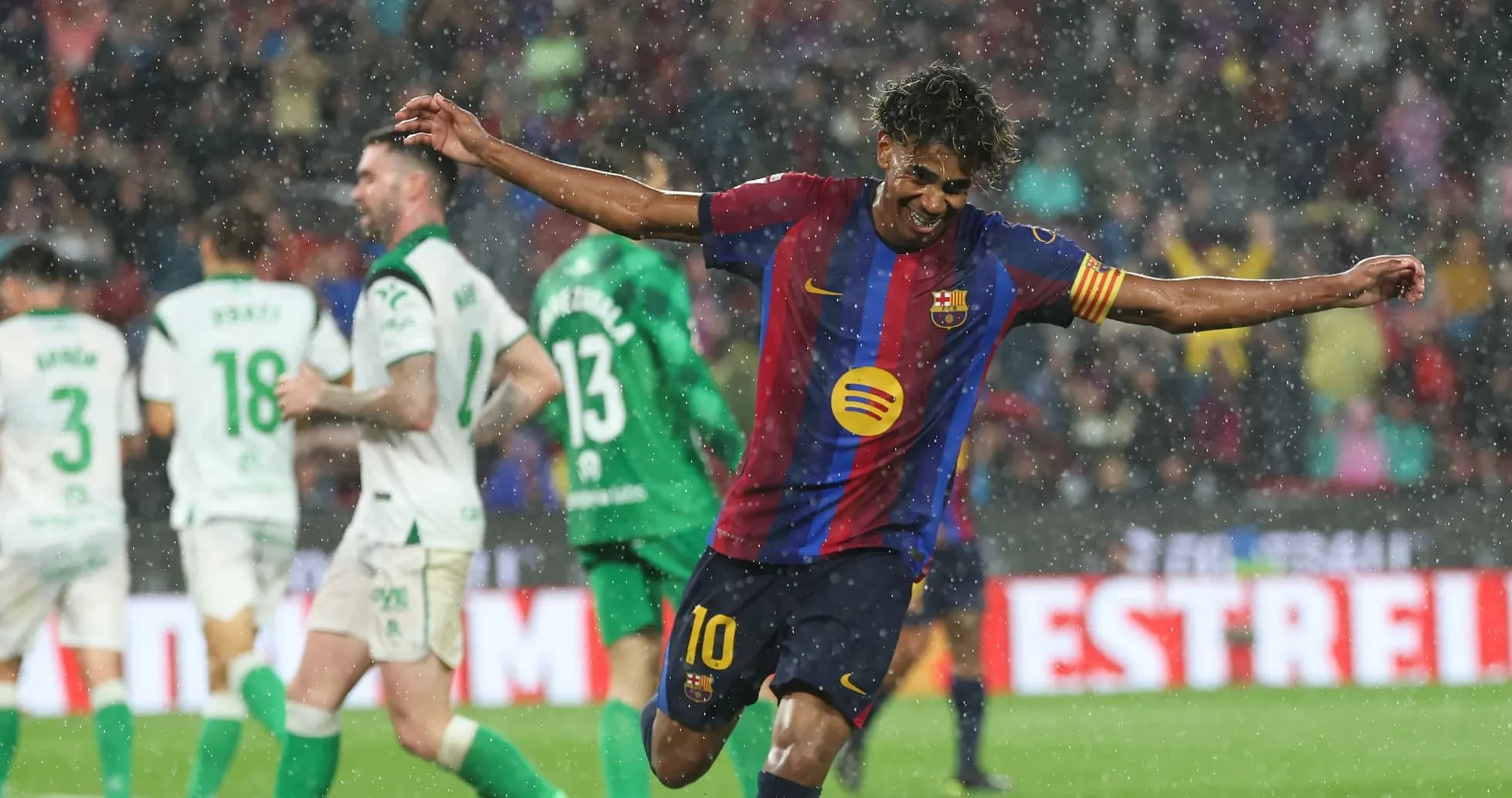
Eberl Responds to Yamal, Elevates Olise in Ballon d'Or Discussion
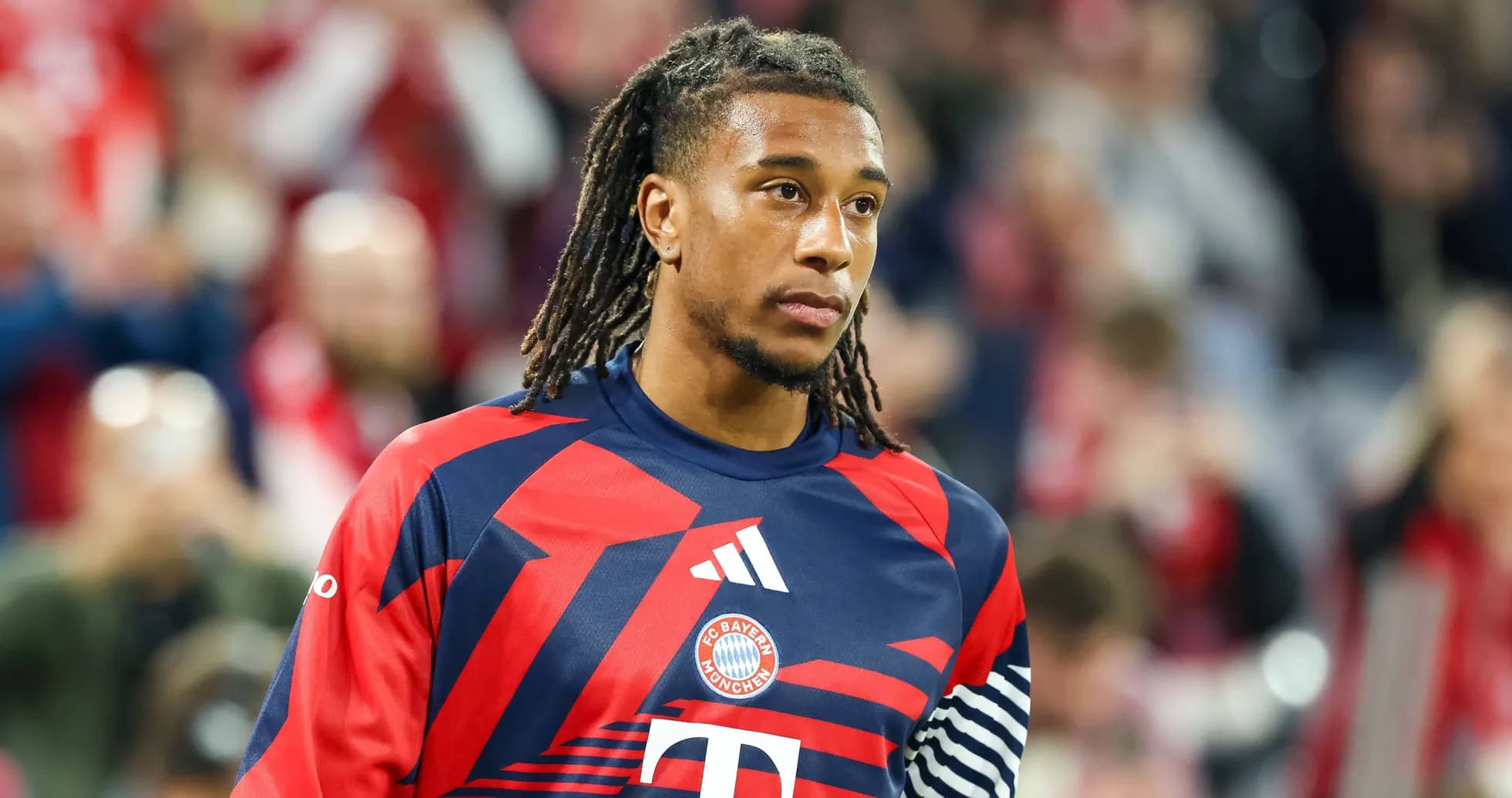
Michael Olise Shines with Hat-Trick and Neymar Tribute
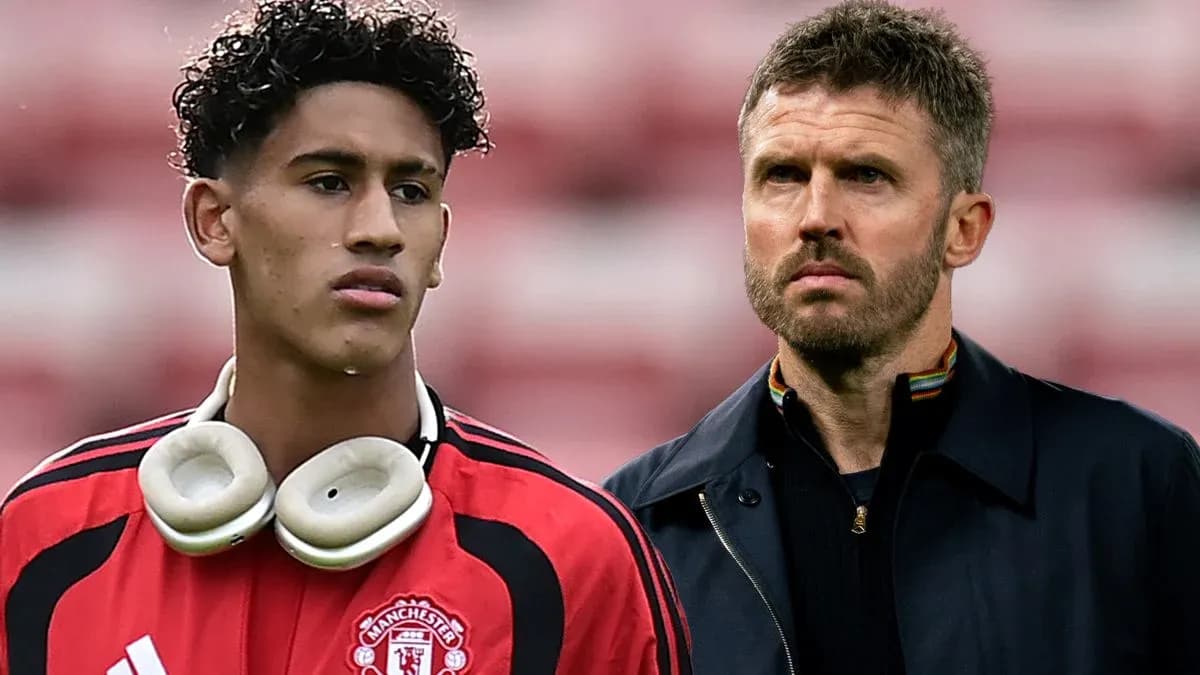
Manchester United Faces Crisis as JJ Gabriel Seeks Exit
Inter as the Standard in Serie A: Nainggolan's Insights

Zidane’s France: Bold Cuts and Fresh Faces