
Celtic Fans Reject Robbie Keane Amid Maccabi Tel Aviv Controversy
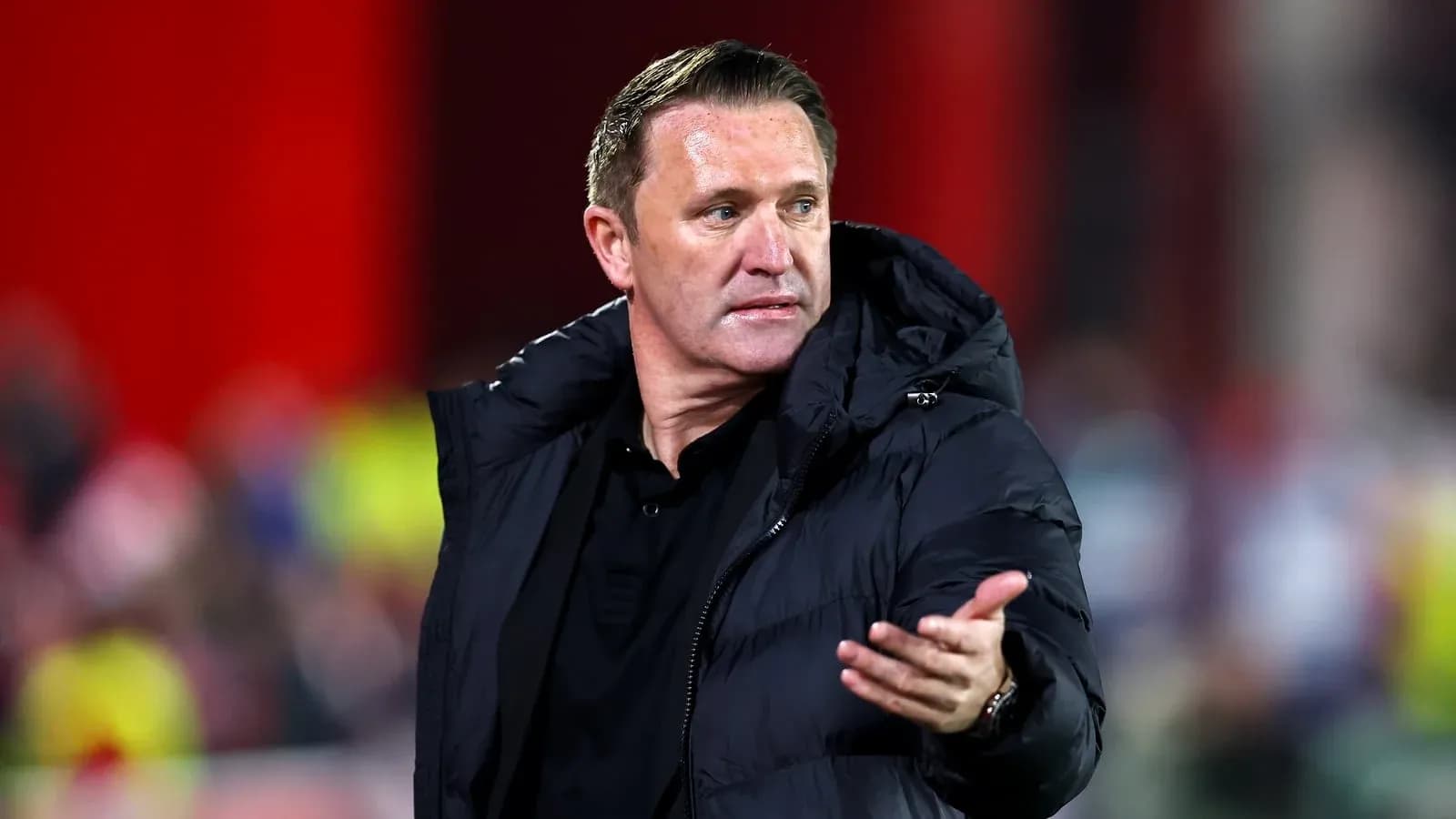
The debate over Celtic’s next manager has burst out of the boardroom and onto the streets around Celtic Park – and Robbie Keane now sits at the heart of a storm that has little to do with tactics or trophies.
Dozens of Celtic supporters clubs have attached their names to a statement rejecting the prospect of Keane returning to Glasgow as manager, citing his decision to work for Maccabi Tel Aviv during Israel’s war in Gaza.
Keane, the Republic of Ireland’s record goalscorer and a former fans’ favourite from a prolific loan spell in 2010, is understood to be among the leading contenders for the job. Reports suggest he has held talks with principal shareholder Dermot Desmond, and his recent success – league titles in both Israel and Hungary – would normally strengthen any candidacy.
This is not a normal appointment debate.
Graffiti, banners and a growing list of dissent
In recent days, graffiti and banners opposing Keane’s potential arrival have appeared outside Celtic Park. One statement, issued online by a group calling itself Celtic Fans for the Liberation of Palestine, set the tone.
Now the North Curve Celtic account on X has gone further, publishing a list of 67 groups said to have endorsed that statement. It is not a fringe coalition. The Green Brigade and Bhoys Celtic ultras are on it, as are prominent podcasts such as the Cynic and eTims. Long-established supporters clubs including Glasgow University Celtic Supporters Club and Craigneuk Tommy Gemmell CSC have also put their names to the document.
The statement is unambiguous. It argues that Celtic fans have “a long and proud history of solidarity with the Palestinian people” and insists Keane’s decision to manage Maccabi Tel Aviv “during the genocide in Gaza is impossible to ignore”.
The language hardens from there. To choose to work in Israel “while, less than 40 miles away, the same country was using indiscriminate weapons of mass murder against defenceless people is unconscionable,” it says.
The signatories root their opposition in the club’s origins, stressing that Celtic was founded by a community “shaped by the legacy of genocide, displacement and famine” and that its “roots lie in solidarity with those who suffered injustice and oppression”.
For those groups, backing Keane would mean betraying that history.
Unity, ambition – and a warning to the board
The timing of the unrest is significant. Celtic are at a point where, on the pitch, clarity and unity are usually prized. Instead, the statement warns that appointing Keane would be “deeply divisive among the support” at a moment when “Celtic requires unity and collective purpose”.
There is also a footballing barb. The groups describe Keane as “a predictable and uninspiring choice at a moment when greater ambition is needed”.
Their message to the hierarchy is blunt: “We urge the Celtic board to listen to supporters’ concerns and reconsider this appointment.”
This is not simply an argument about geopolitics; it is also a challenge to the club’s vision and imagination.
Keane’s Maccabi spell under the microscope
Keane’s spell in Israel is now being pored over in a way it never was when he took the job.
He was appointed by Maccabi Tel Aviv in June 2023, months before the Hamas-led attacks on 7 October and the subsequent Israeli bombardment of Gaza. That campaign has killed more than 70,000 people, according to figures cited in the statement. An independent UN commission reported last October that Israel had committed genocide against Palestinians in Gaza.
Keane stayed in post throughout the season, guiding Maccabi to a league and cup double before resigning in the summer of 2024. For many coaches, that would be the headline: a successful year abroad, silverware secured, reputation enhanced.
Instead, his decision to remain in Israel once the war began drew fierce criticism in Ireland and has now hardened resistance among a sizeable section of the Celtic support.
The 45-year-old later explained that he felt compelled to see out the campaign because of his responsibilities to the staff he had brought with him.
“I have a duty of care,” he said, pointing to his analyst, who had left Middlesbrough after 12 years to join him in Israel. Keane argued he could not simply walk away and leave staff and their families in limbo, and said he chose to stay to the end of the season and forgo a lucrative remaining contract – “another year, possibly two more years” – after a collective decision with his backroom team.
For his critics at Celtic, that justification does not alter the core issue: that he continued to manage in Israel while Gaza burned.
A club’s identity on the line
Celtic’s relationship with the Palestinian cause has been visible and vocal for years, from flags on the terraces to fines from UEFA. It is woven into the identity of many within the support, particularly in the North Curve.
That is why this debate cuts deeper than a routine disagreement over a manager’s CV. To those 67 groups, this is about who Celtic are, and who they refuse to be.
The board now stand at a crossroads. Appoint Keane and they gain a high-profile former player with recent success on the touchline – but risk detonating a rift with some of the club’s most organised and passionate supporters. Turn away and they must find another candidate who can match their ambitions on the pitch while satisfying a fanbase that has just demonstrated its willingness to draw a line in the sand.
The next move from the Celtic hierarchy will say as much about the club’s soul as its season.
Related News

Wilfred Ndidi’s Marriage Reportedly Ends as He Enters New Relationship

Cristiano Ronaldo's Top 5 Most Valuable Cars in His Extraordinary Collection
Ben Whittaker’s Challenge to Prove Eddie Hearn’s Bold British Boxing Bet
Peter Handscomb on the Challenge of Facing Indian Bowlers

How to Watch UFC 332: Silva vs. Wang Live on CBS and Paramount+ This Saturday

Raul Rosas Jr. Shares His Thoughts on the Shocking UFC Vegas 121 Finish Against Raoni Barcelos