
Lionel Messi's Injury Concern Ahead of World Cup 2026
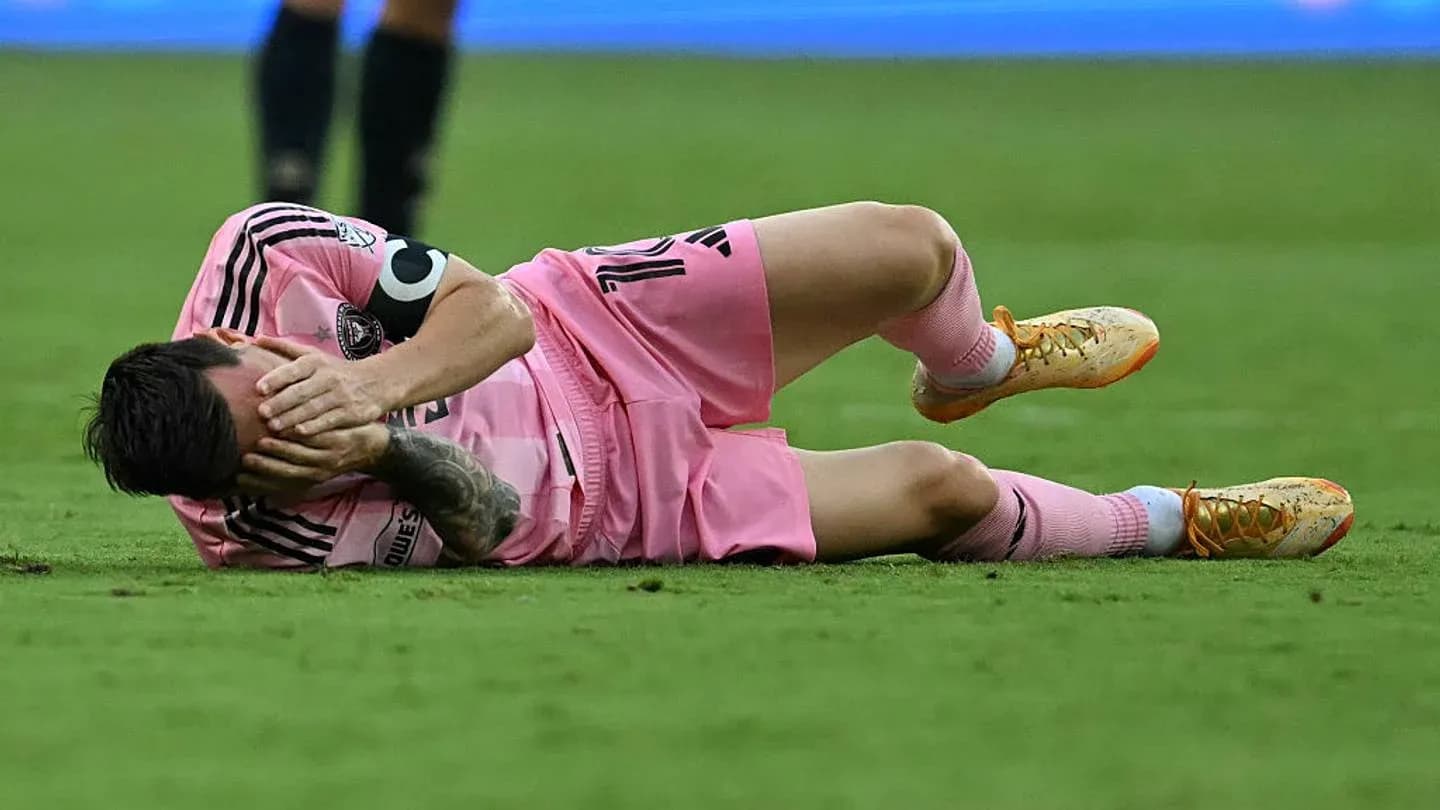
Lionel Messi felt it before anyone else did.
In the 79th minute of Inter Miami’s wild 4–4 draw with Philadelphia Union on Monday, the 37-year-old glanced to the bench, slowed to a trot and signaled. No dramatic collapse, no theatrical gesture. Just the unmistakable body language of a player who knows his limits—and knows the stakes.
Minutes later, with the game still on a knife edge, he was off.
Miami’s first medical bulletin called it “muscle fatigue in the left hamstring,” a deliberately cautious description that did nothing to calm the anxiety stretching all the way from MLS to Argentina’s training base. With the 2026 World Cup looming and Messi still the heartbeat of the defending champions, every grimace is a national event.
Scaloni watches, waits, and measures his words
Lionel Scaloni and his staff were not in the stadium, but they didn’t need to be. They were watching from the training ground in Argentina, and the moment Messi asked to come off, alarm flickered.
“We were watching the match at the training ground. We realized he asked to be substituted, that he wasn’t well,” the Argentina coach told DSports.
The first feedback from Miami brought a measure of relief.
“The first reports are not that bad. Logically, we would prefer that nothing had happened to him. Now, we have to wait and see how he progresses. Above all, they’re going to run tests on him, I imagine, and see if it’s as they say.”
It was calm, measured, but not dismissive. Scaloni knows this script too well. At this stage of a cycle, almost every key player carries something: a strain, a fatigue, a knock that needs managing rather than ignoring.
“We would have liked him to arrive [in camp] without any kind of problems, but that is not the case with him and with most of the players who have had problems. They are not fully recovered. Our goal is to try to recover them and have them arrive in the best possible condition.”
That is the balance now: not panic, but not complacency either. Messi’s hamstring is no longer just Inter Miami’s concern. It is a national priority.
Still the center of everything
Even as he approaches his 38th birthday, nothing about Messi’s status with Argentina feels ceremonial. He is not a mascot, not a luxury. He remains the central figure in a side chasing history: the first men’s team in more than 60 years to retain the World Cup.
Remove him from that picture, or even reduce him, and the entire tournament feels different. For Argentina, the loss would be tactical and emotional. For the World Cup as a spectacle, it would be a gaping hole.
Scaloni has not yet named his squad, but there is no real debate around Messi’s place. Even if the hamstring issue lingers and limits his minutes in the early stages, his selection is effectively guaranteed. Twenty-one years of service and a still-unmatched ability to decide games in moments see to that.
The question is not whether he goes. It is how fit he will be when he gets there—and how Argentina manage the load of a player who can no longer be asked to do everything, but still tends to do the most important things.
A World Cup record within reach
Beyond the injury scare, something else hangs over this World Cup for Messi: the weight of history.
This will be his sixth appearance at the tournament, a number that would have sounded absurd when he first stepped onto the World Cup stage in 2006 as a teenager. He will stand alongside Cristiano Ronaldo on that mark, with the Portugal forward already confirmed for a sixth World Cup of his own. Both debuted in Germany in 2006—Ronaldo at 21, Messi still 18, turning 19 that summer.
But Messi is chasing a record that could soon belong to him alone.
He already holds the men’s record for World Cup matches played, reaching 26 in the 2022 final against France. The overall benchmark, though, sits in the women’s game: USWNT icon Kristine Lilly, who played 30 times at World Cups between 1991 and 2007.
The math is simple. Four appearances in 2026 would allow Messi to draw level. Five would take him past Lilly and into a category of his own. Argentina, as defending champions and heavyweights, could play up to eight matches if they reach the final or the third-place playoff.
For that to be possible, he must be there. Moving freely. Striding, not limping.
So the football world waits on the results of scans in Miami and updates from Argentina’s camp. A hamstring twinge in an MLS thriller would usually fade into the background within days. When the player is Lionel Messi, it lingers.
Because this is not just about one more tournament. It is about how the greatest careers end—and whether the last chapter comes with a full sprint or a compromised stride.
Related News

Wilfred Ndidi’s Marriage Reportedly Ends as He Enters New Relationship

Cristiano Ronaldo's Top 5 Most Valuable Cars in His Extraordinary Collection
Ben Whittaker’s Challenge to Prove Eddie Hearn’s Bold British Boxing Bet
Peter Handscomb on the Challenge of Facing Indian Bowlers

How to Watch UFC 332: Silva vs. Wang Live on CBS and Paramount+ This Saturday
Raul Rosas Jr. Shares His Thoughts on the Shocking UFC Vegas 121 Finish Against Raoni Barcelos