
Luis to Monaco: The Left-Back Who Chose the Rock
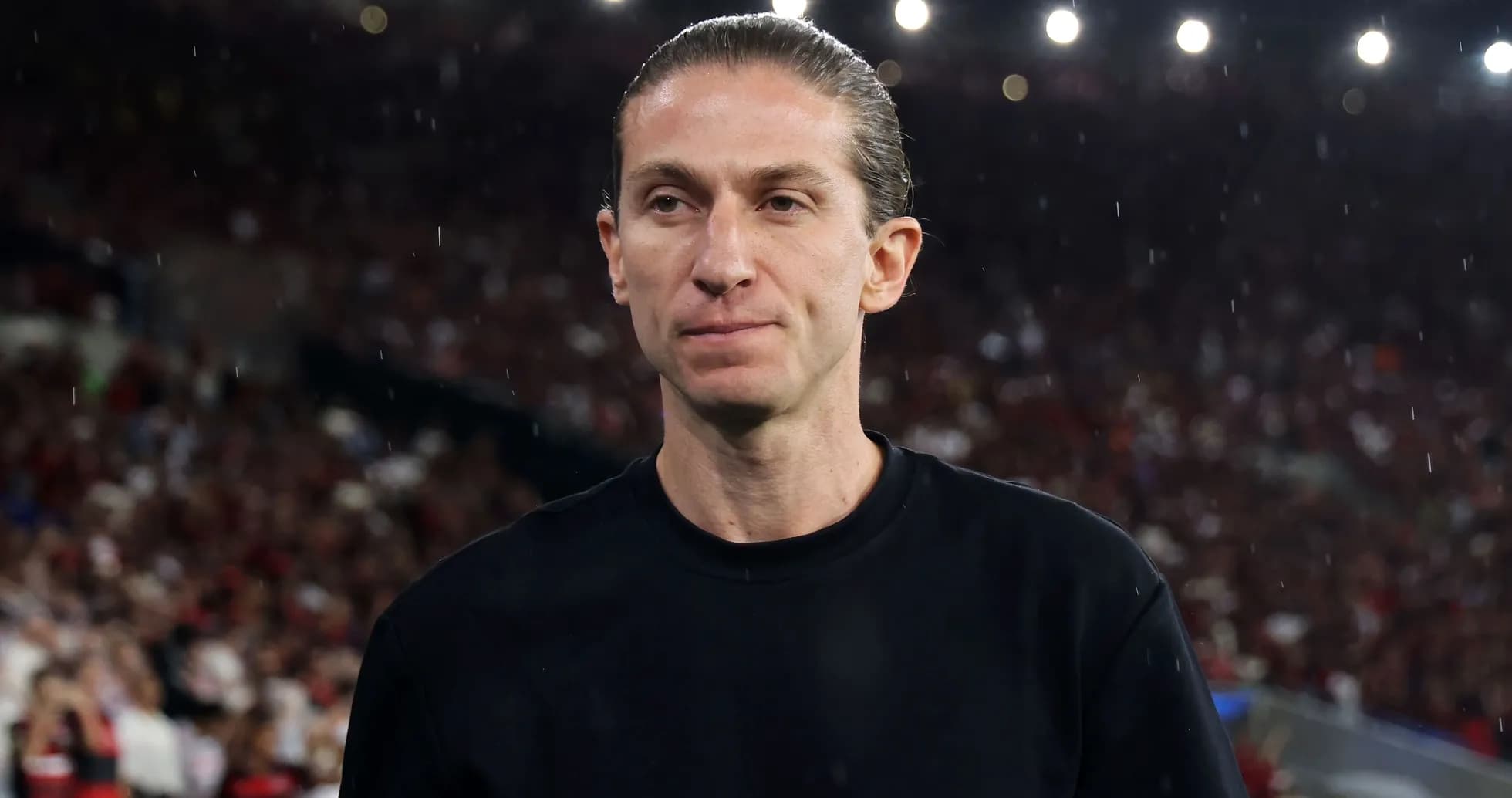
The European dugout carousel has been spinning all summer, but few expected its sharpest turn to land in the Principality. Luis, one of the most coveted emerging coaches on the market, is set to take charge at Monaco, turning down some of the continent’s heaviest hitters to do so.
Fabrizio Romano reports that the Brazilian will replace Sebastien Pocognoli, whose brief eight-month spell at the Stade Louis II is coming to an end. A short tenure, a swift decision, and suddenly Monaco have their man.
For Bayer Leverkusen, this stings.
Fresh from a historic Bundesliga campaign, the German club had earmarked Luis as the face of their next cycle, a young coach with elite playing pedigree and a modern, aggressive approach. He was high on their list, a primary target for the bench. They pushed. They planned. They waited.
Luis chose France.
Leverkusen were not alone in watching this move slip away. His name had been floated around a sensational return to Chelsea and linked to Benfica, two benches that carry serious weight and expectation. On paper, those jobs scream prestige.
Yet the pull of Monaco proved stronger.
Thiago Scuro, the club’s sporting director, built a project that did more than flatter Luis’ ego. It convinced him. The talks moved quickly, quietly, and decisively, catching many inside the industry off guard. While others circled, Scuro closed.
The contract tells its own story.
Luis is expected to sign through June 2028, a four-year commitment that signals something rare in modern football: patience. Monaco are not hiring a firefighter; they are backing a builder. At 40, the Brazilian will be given the time and stability to embed his footballing philosophy in one of Europe’s most unforgiving, talent-rich leagues.
Behind the scenes, Scuro has been the key operator. The relationship between the two Brazilians mattered. Trust, shared ideas, and a clear path for Luis’ development as a manager tipped the balance toward the Principality. While bigger names and bigger budgets hovered in the background, Monaco offered something else: clarity.
Luis arrives with momentum, not promise alone.
His rise on the touchline has been as sharp as his playing career was decorated. At Flamengo, where he managed from 2024 until March 2026, he did far more than simply keep a giant steady. He turned them into a force. A league title. The Copa Libertadores in 2025. Those trophies did not just fill a cabinet; they announced him to Europe.
That success in Rio de Janeiro changed his profile overnight. Suddenly, a move to a major European league felt less like a gamble and more like a natural next step. Clubs started to circle. Scouts and executives noted not just the silverware, but the way his teams played: structured, intense, ambitious.
None of this would surprise those who watched him as a player.
Luis was among the outstanding left-backs of his generation, combining defensive nous with sharp attacking instincts. He lifted the Premier League title with Chelsea and collected multiple trophies with Atletico, operating at the heart of some of the most demanding systems in world football. Those years at the top shaped his understanding of the game’s highest standards.
Now he walks into a different kind of pressure. Monaco is a club that lives in the tension between development and ambition, between selling talent and chasing trophies. It is a place where careers accelerate — or stall.
Luis has chosen it as the stage for the next chapter of his own.
Related News

Wilfred Ndidi’s Marriage Reportedly Ends as He Enters New Relationship

Cristiano Ronaldo's Top 5 Most Valuable Cars in His Extraordinary Collection
Ben Whittaker’s Challenge to Prove Eddie Hearn’s Bold British Boxing Bet
Peter Handscomb on the Challenge of Facing Indian Bowlers
How to Watch UFC 332: Silva vs. Wang Live on CBS and Paramount+ This Saturday
Raul Rosas Jr. Shares His Thoughts on the Shocking UFC Vegas 121 Finish Against Raoni Barcelos