
Oviedo vs Alaves: Tactical Analysis of a Divergent Match
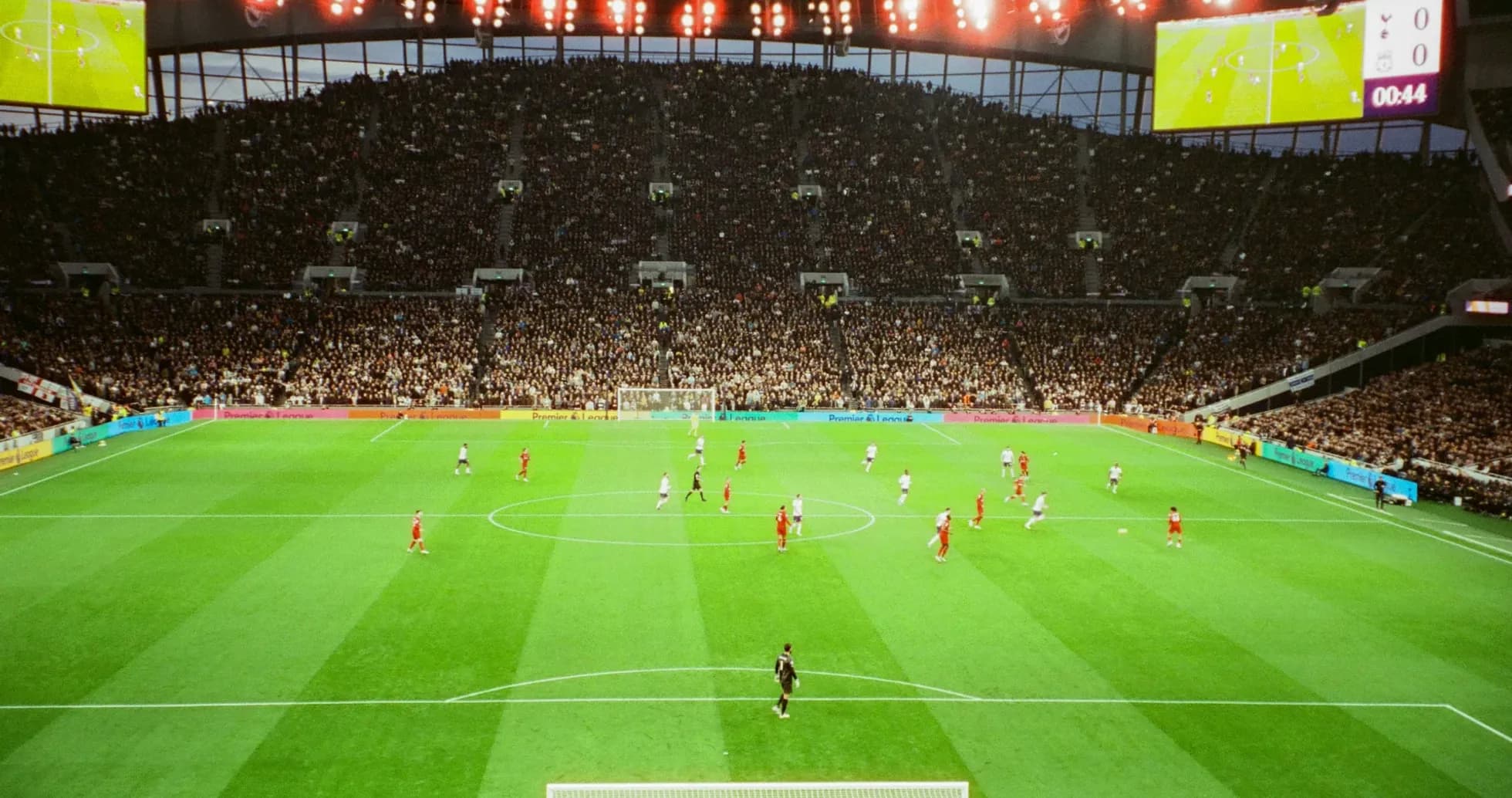
Under the grey Oviedo sky at Estadio Nuevo Carlos Tartiere, this was a meeting of teams heading in opposite emotional directions. The table framed it starkly: Oviedo, 20th with 29 points and a goal difference of -31 (26 scored, 57 conceded in total), already defined by a season of struggle; Alaves, 14th on 43 points with a goal difference of -11 (43 for, 54 against in total), not spectacular but increasingly streetwise. Over 37 matches heading into this game, Oviedo had scored just 9 times at home, an average of 0.5 goals per home match, while Alaves arrived with 19 away goals at 1.0 per away game. The final 0-1 scoreline felt less like an upset and more like the logical conclusion of those numbers.
Lineups
Guillermo Almada stayed loyal to Oviedo’s seasonal backbone: a 4-2-3-1 that has been his default, used 25 times in the league. H. Moldovan was protected by a back four of L. Ahijado, D. Costas, D. Calvo and J. Lopez. In front, the double pivot of N. Fonseca and S. Colombatto tried to knit security with progression, while an experienced band of three – H. Hassan, S. Cazorla and A. Reina – floated behind lone striker F. Viñas.
Opposite him, Quique Sánchez Flores took a bolder route. Though Alaves’ season has leaned on back fours, he rolled out a 3-5-2: A. Sivera behind a trio of N. Tenaglia, V. Koski and V. Parada, with width from A. Perez and A. Rebbach as wing-backs. The central lane was locked by the industrious triangle of J. Guridi, Antonio Blanco and D. Suarez, while I. Diabaté joined Toni Martínez up front – the league’s 13-goal striker leading the line in a shape clearly tailored to his strengths.
Tactical Considerations
The tactical voids were clear even before kick-off. Oviedo were stripped of three midfield profiles: L. Dendoncker, B. Domingues and O. Ejaria, all ruled out through injury. For a side that already averages only 0.7 goals in total per match and has failed to score in 20 league games overall, losing that many options between the lines only increased the creative burden on Cazorla. His deeper pockets of movement were meant to compensate, but they also left Viñas more isolated.
Alaves’ only listed absentee was F. Garcés, suspended, a loss in depth rather than structure. It allowed Sánchez Flores to field a near-first-choice spine, anchored by Blanco – who has quietly become one of La Liga’s most combative midfielders this season. Across 35 appearances, he has 93 tackles, 11 blocked shots and 53 interceptions, and his 9 yellow cards underline how often he lives on the disciplinary edge. He was always likely to be the “enforcer” in the engine room, patrolling Cazorla’s orbit.
Key Matchups
The “Hunter vs Shield” duel at the top of the pitch was equally telling. Toni Martínez arrived with 13 league goals and 3 assists, built on 74 shots and 34 on target. His work rate – 495 duels contested, 251 won – makes him far more than a penalty-box poacher. Against an Oviedo defence that has conceded 18 at home (0.9 per home game) and 57 in total, the matchup tilted his way. Viñas, with 9 league goals and 1 assist, is Oviedo’s reference point, but he operates inside a far less productive ecosystem. His 494 duels and 49 successful dribbles show a striker willing to manufacture his own chances; the problem is that Oviedo’s structure rarely floods the box to support his efforts.
In midfield, the engine-room clash was shaped by contrast. Oviedo’s double pivot of Fonseca and Colombatto was tasked with screening transitions while feeding Cazorla between the lines. But with Oviedo’s season-long pattern of caution – 9 clean sheets at home but 10 home matches without scoring – the pivot often sat too deep, creating a chasm between build-up and attack. That gap was exactly where Blanco thrived, stepping out to intercept and then using his 85% passing accuracy over 1,794 passes to launch Alaves forward with simple, vertical balls.
Flank Dynamics
On the flanks, Oviedo’s full-backs tried to provide width, but the 3-5-2 of Alaves created natural overloads. A. Perez and Rebbach could pin back Ahijado and Lopez, allowing Tenaglia and Parada to step out aggressively. That compressed Oviedo’s attacking three into central congestion, where Blanco and Guridi were waiting.
Discipline and Control
Discipline always threatened to tilt the balance further. Oviedo’s yellow-card distribution shows a late-game spike between 61-75 minutes at 25.00% and another rise from 76-90 at 16.25%. Alaves, meanwhile, are most volatile between 76-90, with 21.51% of their yellows in that period. This match followed the script of a contest that would grow more fractured as fatigue set in, favouring the side more comfortable in chaos. Oviedo’s season-long red-card profile – including Viñas’ 2 reds and 1 yellow-red across the campaign – has repeatedly cost them control in tight games, even if no dismissal arrived here.
Statistical Prognosis
From a statistical prognosis, the outcome fits the underlying trends. Alaves, with 1.0 away goals for and 1.6 away goals against on average, are used to knife-edge matches on their travels. Oviedo, with only 0.5 goals for at home and 0.9 conceded, live in low-margin football where the first goal is often decisive. When that first blow fell to Alaves, the numbers suggested Oviedo were unlikely to find a way back.
Following this result, the story is less about a single 0-1 scoreline and more about two divergent identities confirmed. Alaves, powered by Toni Martínez’s cutting edge and Antonio Blanco’s steel, have become a pragmatic mid-table side that survives by winning the fine details. Oviedo, even with the craft of Cazorla and the fight of Viñas, remain a team whose structure and absences suffocate their own attacking potential. The table, and the match, say the same thing.
Related News

Barcelona Dominates Sevilla in Tactical Showdown
Atletico Madrid vs Real Madrid: A Tactical Derby Analysis

La Liga Officials Admit Refereeing Mistake in Madrid Derby Over Lee Kang-in's Tackle on Federico Valverde

Elche vs Real Madrid: A Clash of Opposites in La Liga

Atletico Madrid Dominates Osasuna 4-0 in La Liga Showdown

Barcelona's Dominance: 7-2 Triumph Over Racing Santander