
Premier League 2026/27: Key Storylines and Challenges Ahead
The Premier League barely pauses these days. The 2025/26 season has only just exhaled, yet it already feels like a prelude rather than a finale. The table is set for a year that could reshape the hierarchy of English football.
Here are the storylines that will drive 2026/27.
Life After Pep: City Step Into the Unknown
For the first time in a decade, Manchester City walk into a season without the man who defined them.
Pep Guardiola’s departure is more than a managerial change; it rips up the blueprint that turned City into the era’s dominant force. Every training session, every passing pattern, every automatic movement has been shaped by him. Now, the club stares at the same cliff Arsenal and Manchester United once did when Arsene Wenger and Sir Alex Ferguson finally stepped away.
Those clubs stumbled. City will do everything in their power not to repeat that history.
After years of stability and serial success, the next chapter feels unusually fragile for City supporters. The squad is still stacked, the infrastructure elite, but the margin for error at the very top is thin. One misstep and the aura that has surrounded the champions begins to crack.
Carrick’s United: From Revival to Relentless?
Manchester United have their man. Michael Carrick’s interim audition is over; he now owns the job and everything that comes with it.
His impact has already been felt. United finished last season with renewed purpose, but now comes the harder part: turning momentum into a sustained identity. This is his first full summer to shape the squad, drill his tactical ideas, and decide who fits the long-term plan.
The workload changes dramatically. United played only 40 matches in all competitions in 2025/26. Arsenal, by comparison, went to 63. That gap disappears now. Champions League nights return, and with them the question that has haunted United for a decade: can this squad handle the grind at the very top level?
Carrick must balance rotation with rhythm, manage egos with clarity, and navigate a transfer market that will judge him as much as any touchline decision. The feel-good bounce is over. The real test starts in August.
Alonso at Chelsea: A New Voice, A New Model
Chelsea have rolled the dice again, but this time the bet feels different.
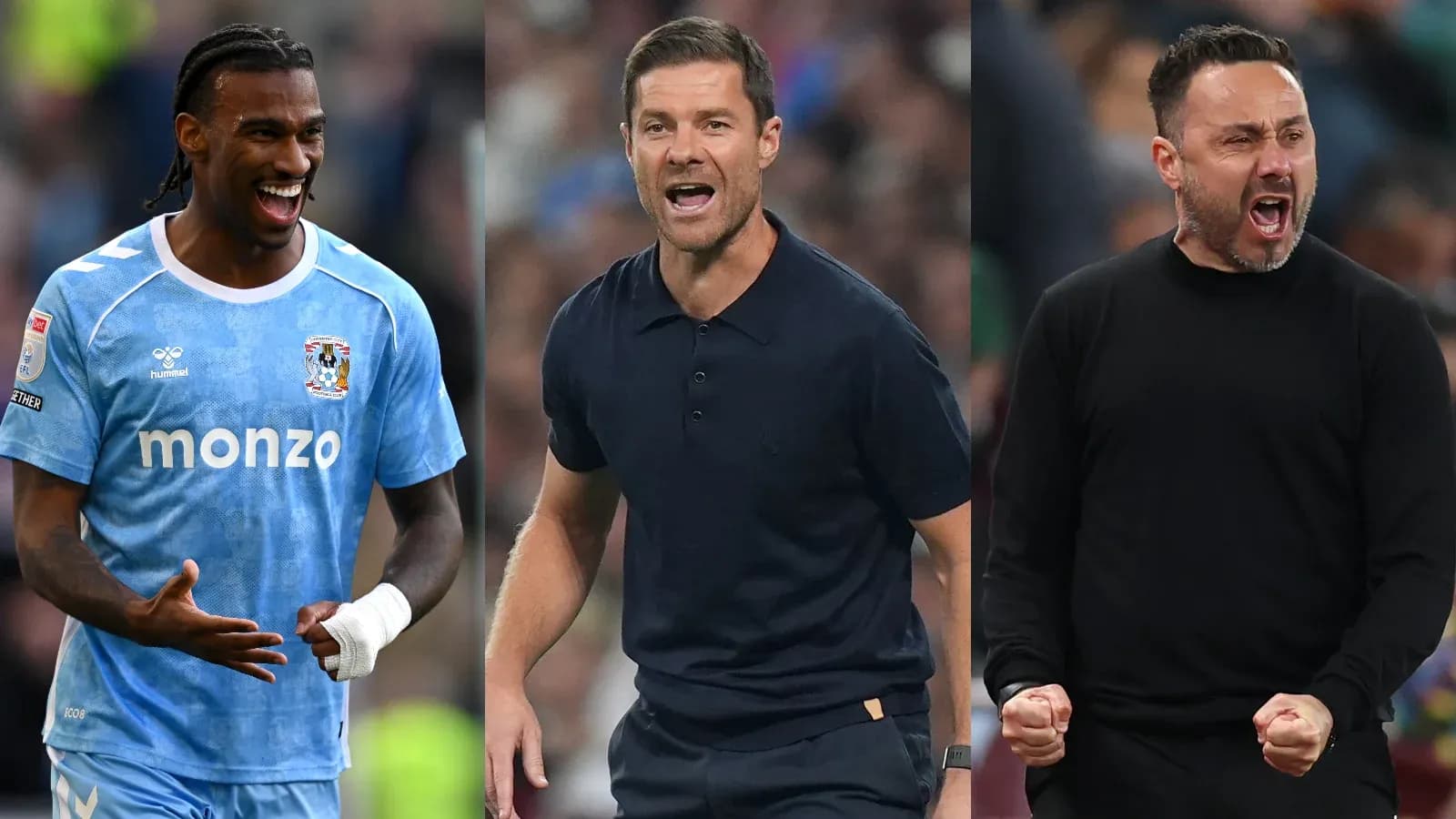
Xabi Alonso arrives not as a short-term fireman but as “manager”, not just “head coach”. That single word matters. It signals a shift in power at a club that finished 10th and has spent two chaotic years searching for a coherent plan.
The brief is clear: impose a structure, sharpen the talent, and make Stamford Bridge believe again.
Chelsea’s summer transfer window suddenly becomes the central storyline of their season. Alonso’s reputation as one of Europe’s most exciting young coaches buys him patience, but not immunity. With no European football to clog the calendar, Chelsea will have clear midweeks and time on the training pitch. If the recruitment aligns with his ideas, they can move quickly.
The pieces are there. Now Alonso has to turn a scattered squad into a side with an identity.
Spurs and De Zerbi: From Survival to Ambition
Tottenham Hotspur survived. That’s the blunt truth of their season.
Seventeenth place for the second year running would usually trigger alarm sirens, yet there is a flicker of genuine optimism in north London. Roberto De Zerbi arrived late, but his impact was immediate: 11 points from the final six matches. Only Manchester United, Arsenal and Bournemouth collected more over that stretch.
That surge changed the mood. It suggested there is more in this squad than the table shows.
Now the job shifts from firefighting to building. Spurs need a spine, a clear style, and a summer that trims the dead weight. De Zerbi’s football demands bravery and technical quality; it also demands backing. If the club matches his ambition, those nervous final days of the season could give way to something far more interesting.
Coventry and Hull: Old Names, New Stories
The Premier League always feels fresher when new – or long-absent – names crash the party.
Coventry City are back in the top flight for the first time since 2000/01. In the years since, they’ve plunged as low as League Two and fought their way back. Now they return as champions, a comeback story that stretches across generations of supporters who never thought they’d see this again.
Hull City’s reappearance ends a decade outside the Premier League. Their route back is intriguing in a different way. Opta’s “Expected Points” table had them all the way down in 23rd in the 2025/26 season, a sign that their promotion run rode fine margins and clinical moments.
Both clubs will look at Sunderland and Leeds United for inspiration. Sunderland turned their return into a UEFA Europa League ticket. Leeds secured safety with matches to spare. The template is there: arrive bold, not timid.
Liverpool at a Crossroads Again
Liverpool have grown used to reinvention. This summer, they face another one – and this time it feels like the end of a chapter, not just a tweak.
A disappointing campaign had already set the stage for change. Arne Slot’s departure, followed by the appointment of Andoni Iraola as head coach, turns that change into a full-scale reset. The tactical clarity that once defined Liverpool has faded, and supporters know it.
Now, the club must rebuild its identity almost from scratch.
The departures of Mohamed Salah, Andy Robertson and Ibrahima Konate deepen the sense of finality. These are not peripheral figures; they are pillars of the side that carried Liverpool through the Klopp years and beyond. Strip them away and the dressing room, as well as the pitch, looks very different.
Whether 2026/27 becomes another season of turbulence or the start of a revival will define how this era is remembered at Anfield.
Europe’s Pull and the Chaos It Brings
The Premier League has never felt so crowded at the top – or the middle. One reason is obvious: Europe.
The league will again send nine clubs into European competition in 2026/27. That volume distorts everything. Sides like Spurs, Chelsea, Newcastle United and Nottingham Forest know how European commitments can drag down domestic form. Squad depth gets exposed, fatigue bites, and the table starts to twist.
Last season, Bournemouth, Brighton & Hove Albion and Sunderland tore up expectations by qualifying for Europe. The gap between seventh and 11th was just two points. One bad week could drop a team four places; one good run could fling them into continental football.
There is no sign that congestion will ease. The coming campaign should be just as wild.
Arsenal and the Weight of the Crown
Arsenal’s story flips now. For three seasons they chased. Now they defend.
Pundits remain divided over what exactly their football has become. Is the caution a calculated strategy, a deliberate tightening of control? Or is it the product of nerves at a club straining to finally get over the line after three consecutive second-place finishes before this title?
Next season will answer that.
With the title in the cabinet, Mikel Arteta must decide whether to double down on a controlled, risk-averse approach or release the handbrake and lean into a more expressive style. The pressure changes when you are the team everyone else wants to beat.
Arsenal have climbed to the summit. The question now is simple: do they dare play with the freedom of champions, or will they cling to the formula that got them there and hope it holds under a different kind of scrutiny?
Related News

Wilfred Ndidi’s Marriage Reportedly Ends as He Enters New Relationship

Cristiano Ronaldo's Top 5 Most Valuable Cars in His Extraordinary Collection
Ben Whittaker’s Challenge to Prove Eddie Hearn’s Bold British Boxing Bet
Peter Handscomb on the Challenge of Facing Indian Bowlers
How to Watch UFC 332: Silva vs. Wang Live on CBS and Paramount+ This Saturday
Raul Rosas Jr. Shares His Thoughts on the Shocking UFC Vegas 121 Finish Against Raoni Barcelos