
Sevilla vs Real Madrid: Tactical Analysis of the 0-1 Match
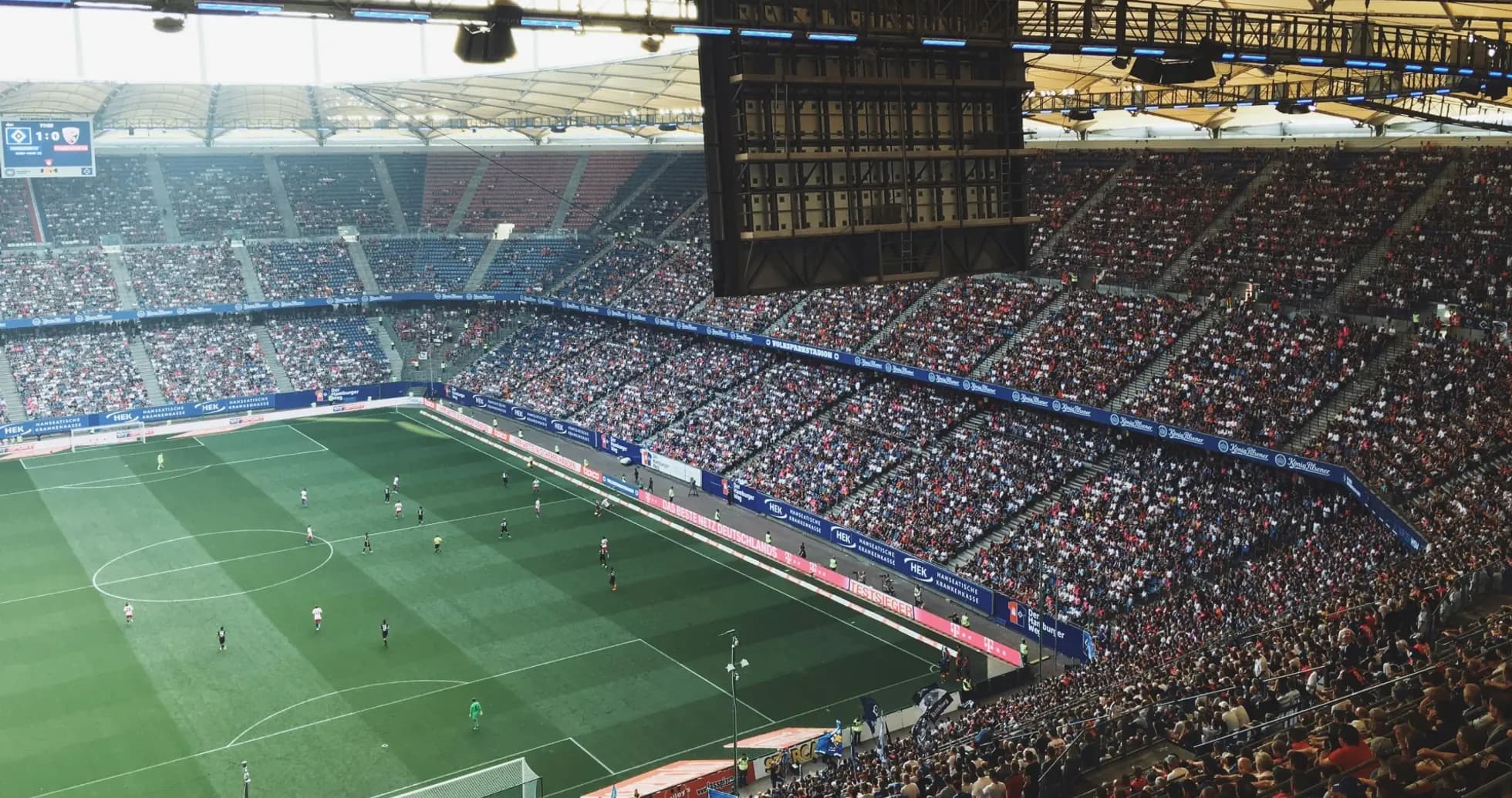
The Ramón Sánchez Pizjuán under the late-season sun staged a meeting of contrasting realities: Sevilla, 13th in La Liga, already shaped by a turbulent campaign, against a Real Madrid side locked into the title chase in 2nd. The fixture, in Round 37 of the regular season, finished 0–1, a narrow scoreline that nonetheless felt like the logical extension of each team’s seasonal DNA.
Sevilla's League Story
Heading into this game, Sevilla’s league story was one of imbalance and fragility. Overall they had played 37 matches, winning 12, drawing 7 and losing 18, with 46 goals for and 59 against. The goal difference of -13 summed up a side that scores at a total rate of 1.2 goals per game but concedes 1.6. At home, the pattern barely improved: 19 matches, 7 wins, 4 draws, 8 defeats, with 24 goals scored and 25 conceded, an average of 1.3 both for and against. They are competitive in their own stadium, but never truly secure.
Real Madrid's Superiority
Real Madrid arrived as a machine built on superiority at both ends. Overall they had 26 wins, 5 draws and 6 defeats from 37 matches, with 73 goals scored and 33 conceded. The total goal difference of 40 is elite, underpinned by a total scoring rate of 2.0 goals per game and only 0.9 conceded. On their travels, they had 11 wins, 4 draws and 4 losses from 19 away games, scoring 32 and conceding 19, an away average of 1.7 for and 1.0 against. This is a side that carries pressure, control and a margin for error into almost every venue.
Tactical Setup
Luis Garcia Plaza’s choice of a 4-4-2 for Sevilla was a clear attempt to compact the pitch horizontally and deny space between the lines. O. Vlachodimos anchored a back four of José Ángel Carmona, Castrin, K. Salas and G. Suazo. Across midfield, R. Vargas and Oso provided width, with N. Gudelj and D. Sow as the central screen, while A. Adams and N. Maupay formed a front two. It was a structure designed less to dominate the ball and more to compress Real Madrid’s front line into crowded zones.
Across from them, Alvaro Arbeloa rolled out a 4-3-3 that leaned into Real Madrid’s attacking talent. T. Courtois started in goal behind D. Carvajal, A. Rudiger, D. Huijsen and F. Garcia. The midfield three of T. Pitarch, A. Tchouameni and J. Bellingham provided a blend of control, coverage and late runs, while the front three of B. Diaz, K. Mbappe and Vinicius Junior offered verticality, dribbling and penalty-box presence.
Absences and Tactical Voids
The absences shaped the tactical voids on both sides. Sevilla were without M. Bueno (knee injury) and Marcao (wrist injury), stripping depth and experience from the defensive rotation and making the starting roles of Castrin and K. Salas non-negotiable. For Real Madrid, the list was longer and more structural: D. Ceballos (coach’s decision), Eder Militao (muscle injury), A. Guler (muscle injury), A. Lunin (illness), F. Mendy (muscle injury), Rodrygo (knee injury) and F. Valverde (head injury). The absence of Militao and Mendy pushed Huijsen and F. Garcia into prominent roles in the back line, while the losses of Guler and Valverde removed two of the league’s most productive midfield creators and carriers. That, in turn, increased the creative burden on Bellingham and the front three, and forced Real Madrid to find width and progression more from full-backs and wingers than from their usual hybrid interiors.
Discipline and Yellow Cards
Discipline was another quiet subplot. Sevilla’s season-long yellow-card profile shows a late-game edge: 19.81% of their yellows arrive between 76–90 minutes and 20.75% between 91–105 minutes. Real Madrid’s yellows peak between 61–75 minutes at 22.06%, with a secondary surge in the 31–45 and 76–90 ranges. In a match where Sevilla would likely be chasing phases of the game and Real Madrid protecting a lead, those patterns suggested a high probability of late fouls, tactical infractions and time-management bookings on both sides.
Key Players
The “Hunter vs Shield” duel was stark. Kylian Mbappe entered as La Liga’s top scorer with 24 goals and 5 assists in 30 appearances, supported by 105 total shots and 61 on target. His penalty record, 8 scored and 1 missed, underlined his centrality to Real Madrid’s cutting edge. Alongside him, Vinicius Junior had 16 goals and 5 assists, with 75 shots (46 on target) and a dribbling volume of 195 attempts, 87 successful. Together, they embody a front line that, heading into this game, powered Real Madrid’s total tally of 73 goals.
Sevilla’s response in the “Hunter” role was A. Adams, with 10 goals and 3 assists in 31 appearances. His 48 shots, 30 on target, and the fact he has scored 3 penalties without a miss, made him the focal point of any Sevilla threat. Importantly, Adams had also blocked 4 shots this season, a sign of the two-way work required from him in a team that often defends deep before springing forward.
Defensive Shields
The “Shield” dimension leaned heavily towards Real Madrid. On their travels they conceded only 19 goals in 19 matches, an away average of 1.0. A. Rudiger and D. Huijsen formed a centre-back pairing with both aerial presence and ball-playing comfort; Huijsen’s season numbers include 17 blocked shots, marking him as a defender who actively steps into shooting lanes. Behind them, Courtois was backed by a team that had collected 8 away clean sheets and 14 in total.
For Sevilla, the defensive shield was less reliable. At home they conceded 25 goals in 19 matches, an average of 1.3. The aggressive edge of José Ángel Carmona, who has 13 yellow cards this season and 64 tackles with 9 blocked shots, is double-edged: he brings bite and front-foot defending, but also risk in wide areas against dribblers like Vinicius Junior.
Midfield Battles
In the “Engine Room”, J. Bellingham and A. Tchouameni were pitted against N. Gudelj and D. Sow. Bellingham’s role as a late-arriving runner and link between lines was even more vital without Guler and Valverde, while Tchouameni’s capacity to screen transitions was central to stopping Adams and Maupay from attacking open grass. On the other side, Gudelj’s positional discipline and Sow’s capacity to shuttle and press were Sevilla’s main tools to disrupt Real Madrid’s rhythm and prevent sustained occupation of the final third.
Statistical Prognosis
From a statistical prognosis perspective, everything pointed to a Real Madrid edge in xG territory, even if the raw xG numbers are not provided. A side averaging 2.0 total goals per game and conceding 0.9, facing a team that scores 1.2 and concedes 1.6, tilts the probability landscape. Sevilla’s 6 total clean sheets versus Real Madrid’s 14 underline the gap in defensive solidity. Real Madrid’s flawless penalty record this season (12 scored from 12, with no misses) also meant any box infringement carried heavy punishment potential.
Following this result, the 0–1 scoreline felt almost conservative relative to the structural imbalance. Sevilla’s 4-4-2 succeeded in containing the damage and forcing Real Madrid into a controlled, methodical performance rather than a rout. But the broader season context remained unchanged: Real Madrid’s attacking trident and defensive platform were simply operating at a higher level than a Sevilla side still searching for a stable identity, even on their own ground.
Related News

Barcelona Dominates Sevilla in Tactical Showdown

Atletico Madrid vs Real Madrid: A Tactical Derby Analysis

La Liga Officials Admit Refereeing Mistake in Madrid Derby Over Lee Kang-in's Tackle on Federico Valverde

Elche vs Real Madrid: A Clash of Opposites in La Liga

Atletico Madrid Dominates Osasuna 4-0 in La Liga Showdown

Barcelona's Dominance: 7-2 Triumph Over Racing Santander