
World Cup Visa Controversy: Security vs. Sport
The World Cup has not yet kicked off on American soil, but the battle lines around it are already sharp.
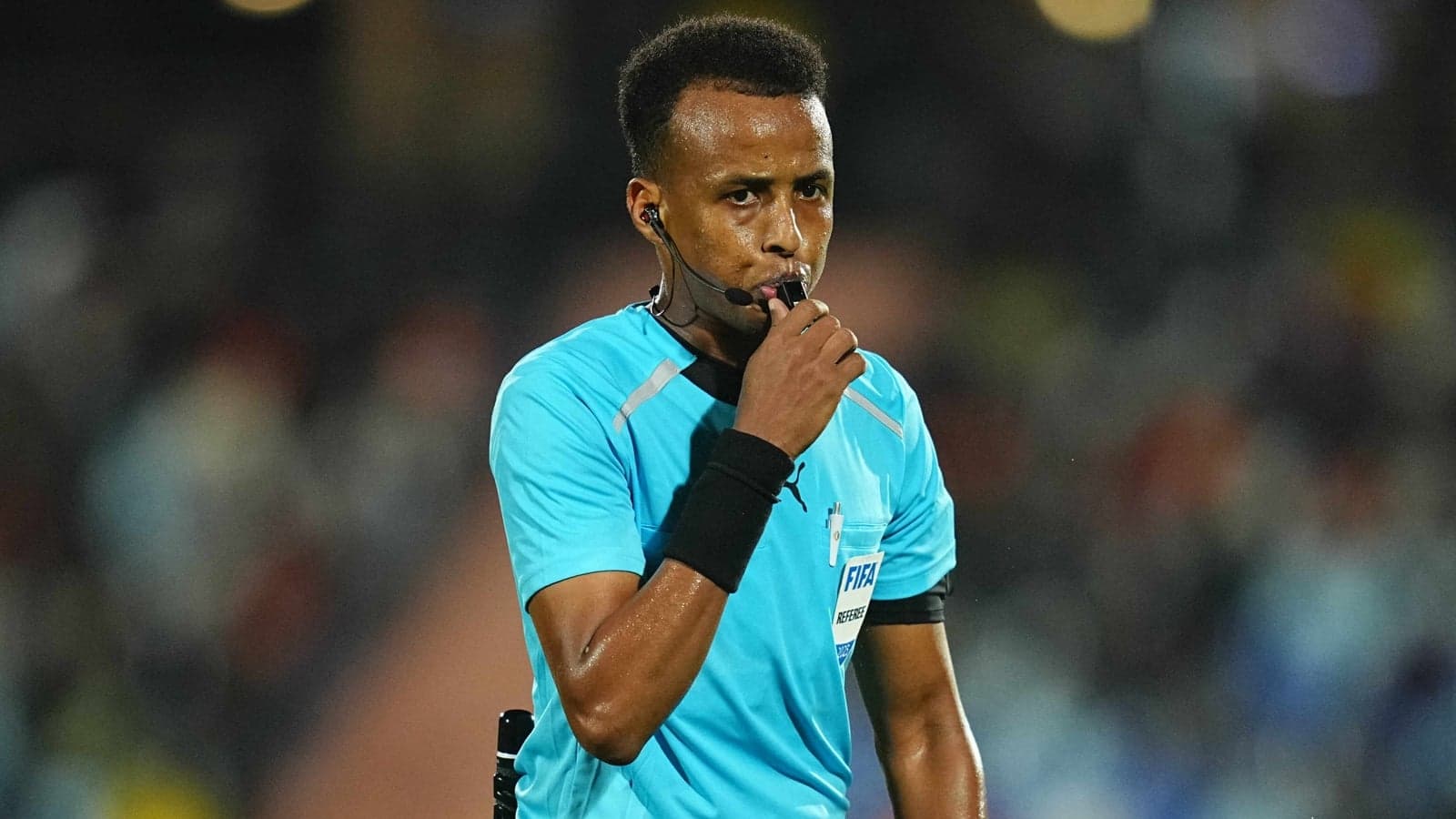
Andrew Giuliani, head of the White House Task Force for the World Cup, has defended the controversial decision to deny visas to Somali referee Omar Artan and several members of Iran’s support staff, insisting security concerns must override sporting sentiment.
Speaking at an event hosted by the Atlantic Council in Washington, Giuliani underlined that the vast majority of arrivals have faced no issues.
“To this point we’ve had 35 teams that have come into the United States,” he said. “No players, no coaches have been denied.”
The same cannot be said for match officials and team staff. “There have been some officials that have been denied, and for good reason,” he added, drawing a clear line between the athletes on the pitch and those around them.
A US State Department official later spelled out why Artan, a trailblazing figure in African officiating, was turned away. The Somali referee, the official said, was “associated with suspected members of terrorist organisations,” a link that “made the traveler ineligible for admission to the United States.”
Artan’s case cuts deep in footballing terms. Named men’s referee of the year in 2025 by the Confederation of African Football, he stood on the brink of history as the first Somali to officiate at a World Cup. Instead, he was stopped at Miami airport and sent back, his debut on the global stage halted not by a late flag or a VAR check, but by US immigration.
Giuliani, son of former New York mayor Rudy Giuliani, was pressed directly on that decision. His answer framed the episode as part of a broader security posture around the tournament.
“We’re striking that balance between making sure that any bad actors that…try to come into the country under the guise of the World Cup will not get access to the United States,” he said, casting the World Cup as both a celebration and a potential cover for those the US considers a threat.
The political backdrop is impossible to ignore. Somalia remains on the travel ban list introduced under President Donald Trump’s administration as part of a sweeping immigration crackdown. Artan’s blocked entry sits squarely in that context, a football story running straight into the hard edge of US foreign and domestic policy.
Iran have felt that edge too. The national team will play all three of their group games on American soil, yet have been pushed to the margins in other ways. Ongoing military conflict between the United States and Iran forced the team to move its training base to Mexico rather than operate from within the US.
The Iranian football federation has complained that its ticket allocation for supporters has been revoked and that some members of the team’s support staff were denied visas. For a nation that prides itself on its passionate travelling support, the blow is more than logistical; it strips away part of the atmosphere that usually follows Team Melli wherever it goes.
Giuliani pushed back on suggestions of a wider sporting blockade.
“All the Iranian coaching staff is coming in,” he said, before drawing another distinction. There are, he insisted, “some Iranian officials that are not coming in – again for very good reason.”
He declined to spell out those reasons, but hinted at doubts over the true roles of certain applicants. “I can’t get into the particulars,” he said, “but there are some people that claim that they are coaches that may not be coaches.”
The message was clear: the US intends to scrutinise every badge, every job title, every claimed affiliation. Behind that lies a specific red line. Giuliani stressed that President Trump wants a “level playing field” for all teams while ensuring that “people that are directly working, let’s say, with the IRGC (Islamic Revolutionary Guard Corps) have no ability to access the United States of America.”
Security, in other words, will not be relaxed for the sake of the spectacle.
Despite the visa flashpoints and the charged political climate, Giuliani said there are currently “no credible threats” to the tournament itself. Even so, he described an intelligence apparatus straining at full capacity, saying the intelligence community is “tripled down” and will keep monitoring “between now and whenever the final goal is scored on July 19.”
The World Cup promises colour, noise and drama on the field. In the shadows, it is already testing how far a host nation is willing to bend its rules for the world’s game—and how far it is prepared to go to hold the line.
Related News
UFC 332 Preview: Natalia Silva vs. Wang Cong Fight Card, Odds, Start Time, and Details
Andy Roddick Responds to Andre Agassi’s Comments on Alexander Zverev at the Laver Cup
Knicks Prepare for Flexible Roles in Title Defense
Rui Hachimura Swaps Lakers Fans to Clippers in Surprising Jersey Exchange

Who Will Be the NBA's Next First-Time All-Stars? Top Picks and Long Shots for 2027
How Strong Is Your Team at Home? Check Out the 2026 Brasileirão Home Standings