
How Extra Time and Penalties Decide the 2026 World Cup Knockout Matches
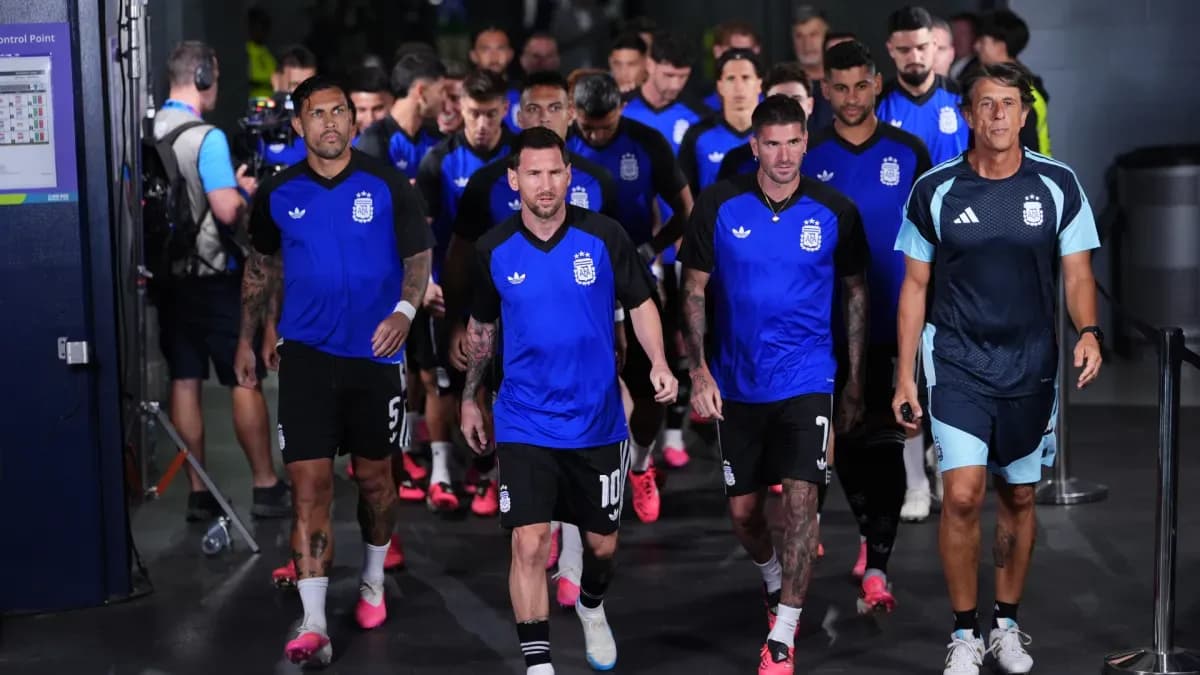
The 2026 World Cup kicked off with 48 teams, but now only 32 remain as the knockout rounds begin. From the Round of 32 onward, every match must produce a winner by the end of the day.
During the group stage, draws after 90 minutes meant both teams earned one point each. Now, a tie at the end of regulation time cannot stand since the prize is advancing to the next round, not just a point.
What Happens When Scores Are Tied After 90 Minutes?
If a match is level at full-time during the knockout rounds, the contest moves into extra time.
Extra Time Details
Extra time consists of 30 minutes divided into two halves of 15 minutes each, always played in full. This period follows the same rules as regular time.
Back in 1998 and 2002, FIFA tried the "golden goal" rule where the first goal in extra time ended the match immediately, but this was dropped by 2006 in favor of playing the entire extra time period.
Teams get an extra substitution during extra time, allowing for six substitutions total if the match reaches that stage.
Penalty Shootouts Explained
If neither side scores more after 120 minutes, the winner is decided by penalties.
In the shootout, each team alternates taking five kicks from the penalty spot, 12 yards from goal. Usually, more penalties are scored than missed or saved.
The shootout can end early if one team gains an unbeatable lead before all five kicks are taken. If still tied, it moves to sudden death rounds where each pair of kicks can decide the winner.
Sudden death continues until one team scores and the other misses within the same round. If all 11 eligible players have taken penalties without a winner, those initial five kickers start again under sudden death rules.
Only players on the field at the end of extra time can take penalties. Substituted players lose this right. If a team has fewer players due to red cards or injuries, the opposing team must reduce their shootout takers to equal numbers.
World Cup Final Extra Time and Penalties History
Seven World Cup finals have gone into extra time, starting with England’s 4-2 victory over West Germany in 1966. Hosts Argentina benefited in 1978 beating the Netherlands 3-1 after extra time. The Netherlands lost to Spain in 2010 and Germany defeated Argentina in 2014 by 1-0 in extra time.
The final has been settled by penalties three times: Brazil beat Italy in 1994, Italy won against France in 2006, and Argentina triumphed over France in 2022 after a thrilling 3-3 draw.
Related News

FIFA Opens New Football Arenas in Palestine to Support Youth in the West Bank

FIFA World Cup 2026: Complete List of Commentators and Presenters

World Cup 2026 Best XI: Messi, Rodri, Mbappe Lead the Team of the Tournament

Spain's Tactical Mastery Secures Second World Cup Victory in 2026
Top 10 Players of the 2026 World Cup: Mbappe or Messi at the Summit?
Gianni Infantino Responds to Critics Amid 2026 World Cup Celebrations