
Spain's Tactical Mastery Secures Second World Cup Victory in 2026
Spain clinched the 2026 FIFA World Cup title by defeating Argentina 1-0 in extra time. Ferran Torres scored the winning goal at New York New Jersey Stadium, crowning a campaign defined by control, defensive strength, and tactical precision.
This victory marked Spain's second men's World Cup crown, 16 years after their first in South Africa. Unlike their 2010 team known for relentless possession, Luis de la Fuente's squad blended technical skill with a more direct and adaptable style, effective against every opponent.
A Tournament Built on Momentum
Entering as favorites in the expanded 48-team format, Spain did not rush but gradually found their rhythm. They topped Group H undefeated: a goalless draw with Cabo Verde, a 4-0 win over Saudi Arabia, and a 1-0 victory against Uruguay.
The knockout stage saw Spain defeat Austria 3-0, narrowly overcome Portugal 1-0 in an intense Iberian clash, edge past Belgium 2-1 in the quarter-finals, and beat France 2-0 in the semi-finals. The final was another display of discipline, resulting in a narrow extra-time win over Argentina.
They eliminated four major football powers—Portugal, Belgium, France, and Argentina—without straying from their core principles developed since the group phase.
Defense as the Cornerstone
Although Spain’s offense caught attention, their defense formed the backbone of success. Over eight games, they conceded just once and kept seven clean sheets.
Spain's defense was proactive, using possession to disrupt opponents rather than sitting back. Midfield control limited transitions and forced low-quality chances. When possession was lost, coordinated pressing quickly regained the ball.
- Rodri protected the defense with excellent positioning.
- Backline compactness minimized gaps between defense and midfield.
- Goalkeeper Unai Simon contributed with confident saves.
- Youth defender Pau Cubarsi impressed with calmness and maturity beyond his years.
Purposeful Possession
Spain stuck to controlling matches through possession but avoided endless passing. Instead, they used it to set tempo and manipulate opponents, creating spaces to attack.
In the final, Spain held around 65% possession, made more passes, and had more shots on target than Argentina. This possession also served defensively, reducing counterattack chances.
Luis de la Fuente's Modernized Spain
Coach Luis de la Fuente evolved Spain’s identity, maintaining technical skill while increasing flexibility and vertical attacking when possible. His faith in youth brought energy and sustained intensity throughout the tournament, building on prior European Championship and Nations League wins.
The Rise of a New Generation
- Lamine Yamal emerged as a top talent, using pace and creativity to disrupt defenses and open space.
- Pedri and Gavi provided intelligence and technical prowess in midfield.
- Alex Baena offered speed and direct attacks from wide areas.
- Pau Cubarsi was among the breakthrough players, showcasing Spain’s focus on technical education and tactical awareness.
Rodri’s Silent Control
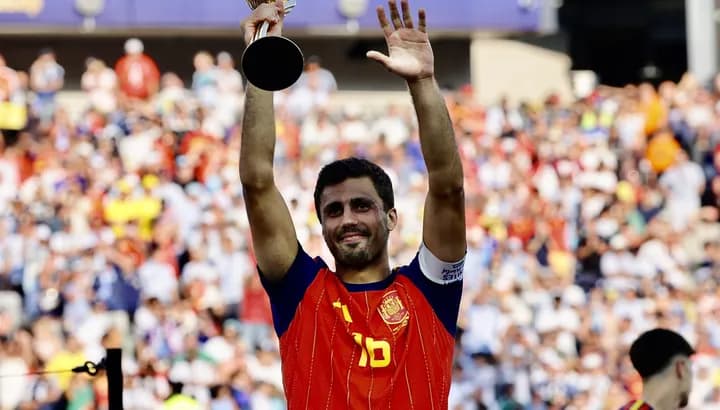
While attackers grabbed headlines, Rodri quietly dominated games. He shielded the defense, recovered possession, controlled pace, and linked play seamlessly. His positional sense allowed teammates freedom while keeping balance. Rodri’s performance earned him the tournament’s Golden Ball.
Adjusting Tactics to Win Battles
Each knockout round demanded unique strategies. Spain showed patience against Portugal, managed transitions carefully versus Belgium, and reinforced defensive shape against France. In the final, they controlled possession to stifle Argentina’s attacks until Torres’ late goal sealed the win. It was arguably Spain’s most complete display despite not scoring many goals.
Key Stats From Spain’s Campaign
- Matches unbeaten: 8 (7 wins, 1 draw)
- Goals scored: 14
- Goals conceded: 1
- Clean sheets: 7
- Highest expected goals (xG) in the tournament
- Among best defensive expected goals against (xGA)
A New Chapter in Spain’s Football Legacy
Spain’s 2026 triumph will be compared to the 2010 team. Both prioritized technical skill and teamwork, but the latest champions added tactical variety, defensive strength, and attacking options that set them apart. Across eight matches, Spain didn’t just win—they controlled the tournament.
Related News
FIFA Opens New Football Arenas in Palestine to Support Youth in the West Bank
FIFA World Cup 2026: Complete List of Commentators and Presenters
World Cup 2026 Best XI: Messi, Rodri, Mbappe Lead the Team of the Tournament
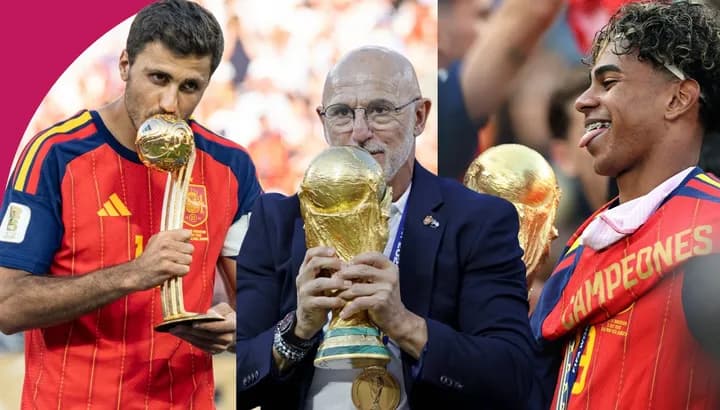
Spain's Tactical Mastery Secures Second World Cup Victory in 2026
Top 10 Players of the 2026 World Cup: Mbappe or Messi at the Summit?
Gianni Infantino Responds to Critics Amid 2026 World Cup Celebrations