
Alexander Blessin Returns to Bundesliga with Borussia Mönchengladbach
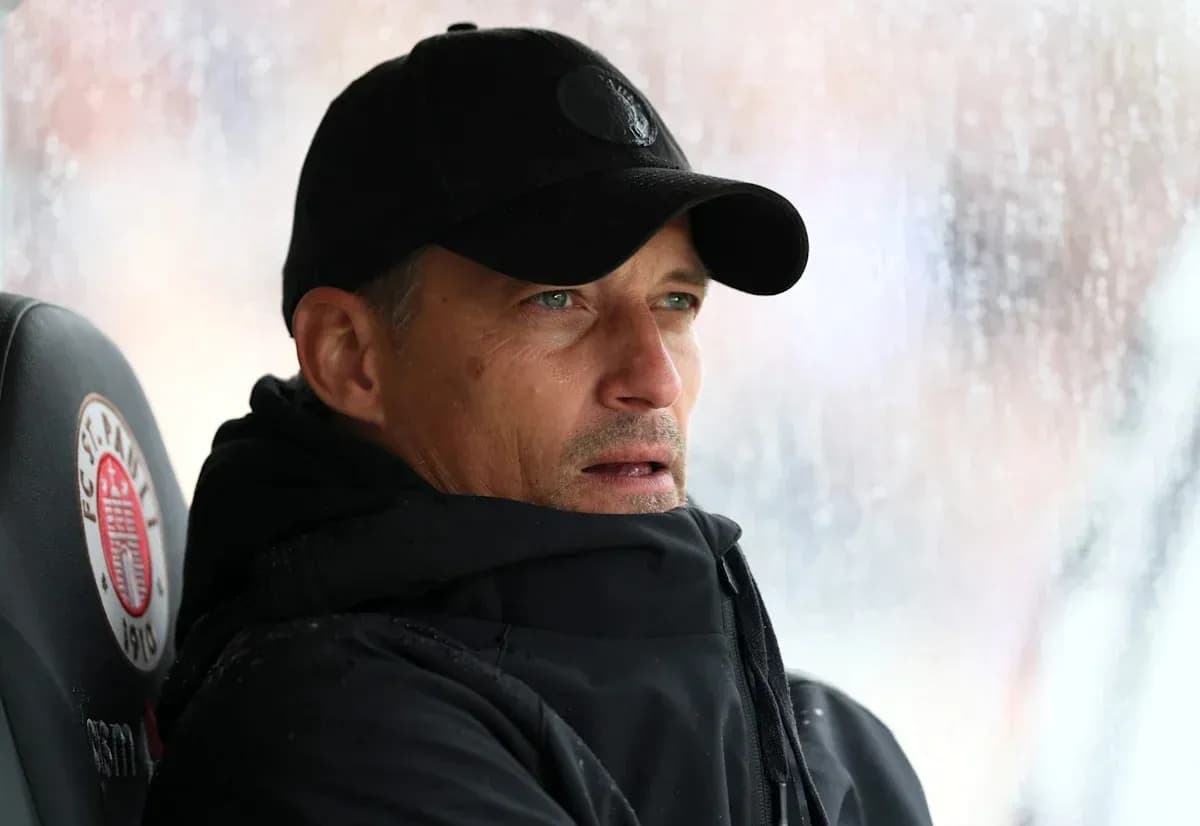
Borussia Mönchengladbach have turned to Alexander Blessin in a bid to halt a freefall that has left the club bottom of the Bundesliga and leaking goals at a historic rate.
The 53-year-old has signed a contract through 2028, returning to Germany’s top flight just four months after suffering relegation with FC St. Pauli. Gladbach confirmed the appointment on Tuesday; Blessin will be unveiled on Wednesday afternoon alongside sporting director Rouven Schröder.
He steps into a club in crisis, but also into a league he knows, with his reputation still shaped as much by his tactical discipline as by his recent drop with St. Pauli.
From Polanski’s exit to a Rhine derby baptism
Blessin replaces Eugen Polanski, dismissed in the wake of a brutal 5-0 defeat at Freiburg on Matchday 3. That loss felt like a breaking point. Jan-Moritz Lichte took over on an interim basis and, even in Saturday’s 3-4 home defeat to Mainz, managed to inject some ideas and fight that will give the new coach plenty to think about.
The table is unforgiving. Gladbach go into the international break rock bottom, with a 6:16 goal difference. Only Union Berlin have conceded more, and those 16 goals against equal the all-time Bundesliga record for goals conceded after four matchdays.
There is no gentle introduction waiting for Blessin. His first competitive match in charge will be away to fierce Rhine rivals 1. FC Cologne on October 11, a fixture that rarely allows for caution or time to settle.
St. Pauli: from defensive wall to dramatic collapse
Blessin arrives with the scars of relegation, but also with a body of work that still commands respect.
His two seasons at St. Pauli could hardly have been more contrasting. Taking over from Fabian Hürzeler after promotion in 2024, the Stuttgart-born coach quickly built one of the Bundesliga’s most stubborn defensive units. St. Pauli conceded only 41 league goals in that first campaign — second only to Bayern Munich — and secured survival on the back of that solidity.
That organization did not go unnoticed. In April 2025, reports indicated that both Hoffenheim and Wolfsburg were monitoring Blessin as he steered St. Pauli clear of danger. The following season even began with a sense of momentum. By September 2025, an unbeaten St. Pauli sat near the top of the table with seven points from their first three games and tactical analyses praised their structure and clarity.
Then the floor gave way.
A nine-match losing streak dragged the club straight into another relegation battle. Blessin, under heavy pressure, clung on. By late February and early March, it looked as though he might engineer another escape: wins over Werder Bremen and Hoffenheim and a draw against Eintracht Frankfurt brought seven points from three matches and a flicker of belief.
A 2-0 defeat at Gladbach in mid-March kept the situation tense, but there were still reasons for optimism. With a limited squad, Blessin had repeatedly squeezed out results. Performances like the 2-1 win over Stuttgart suggested there was enough energy and resilience left to survive.
That hope evaporated quickly.
St. Pauli blew a lead and lost 2-1 to Freiburg in their next league outing. Blessin then apologized after insulting referee Florian Badstübner in an emotional post-match interview, a sign of just how frayed nerves had become. A 1-1 draw at Union Berlin followed, before Bayern tore through the Kiezkicker 5-0 at the Millerntor. Another 1-1, this time against Cologne, only briefly stemmed the slide.
The decisive punch came against bottom side Heidenheim. A 2-0 defeat in a match that stood out as one of St. Pauli’s clearest remaining chances to climb out of the relegation places left them in deep trouble. By then, they had collected just two points from five games since mid-March.
There was no late twist.
St. Pauli lost 2-1 to Mainz and again 2-1 at RB Leipzig, setting up a final-day showdown with Wolfsburg at the Millerntor with their Bundesliga status on the line. They fell 3-1 and finished bottom. Across their final eight matches of the season, they took only two points and never won again.
The club chose to start over without Blessin after relegation.
Gladbach bet on structure after chaos
Gladbach now choose to see more than that grim run-in.
Blessin’s CV stretches well beyond St. Pauli’s collapse. He spent eight formative years coaching in RB Leipzig’s academy, honing a clear, aggressive style, before moving to KV Oostende for his first senior job. Later spells at Genoa and Union Saint-Gilloise brought success in Belgium, including a domestic cup triumph and two Coach of the Year awards.
That background explains why Gladbach are willing to hand him a long-term deal in the midst of a defensive crisis. The club desperately need the kind of organization he showcased in his first season in Hamburg.
They also need stability on the touchline. Since Marco Rose left for Borussia Dortmund in 2021, the head coach’s office at Borussia-Park has been a revolving door. Adi Hütter and Daniel Farke each lasted a single season. Gerardo Seoane held the job from June 2023 until September 2025. Polanski’s reign ended after just over a year.
Blessin becomes the fifth permanent head coach in that span, tasked with restoring order to a side still hunting their first point of the campaign.
He has the international break to impose his ideas, to tighten a back line that has crumbled far too easily, and to convince a shaken squad that the season can still be salvaged.
Then comes Cologne away — and a brutal, emotional test of whether his blueprint can hold under the fiercest kind of pressure.
Related News

Rio Ferdinand Challenges Michael Carrick to Revamp Manchester United's Attack
Kylian Mbappé's Near Transfer to Liverpool Revealed
Lewis Hall Signs Long-Term Extension with Newcastle Until 2031
Andy Robertson Reflects on Liverpool's Loss of Edge After Jota's Death
Jurgen Klopp's First Win as Germany Coach: Ebnoutalib Commits

Leboeuf Critiques Mbappé’s Focus on Ballon d’Or