
Amani's Journey from Dougbafla to Bayern Munich Glory
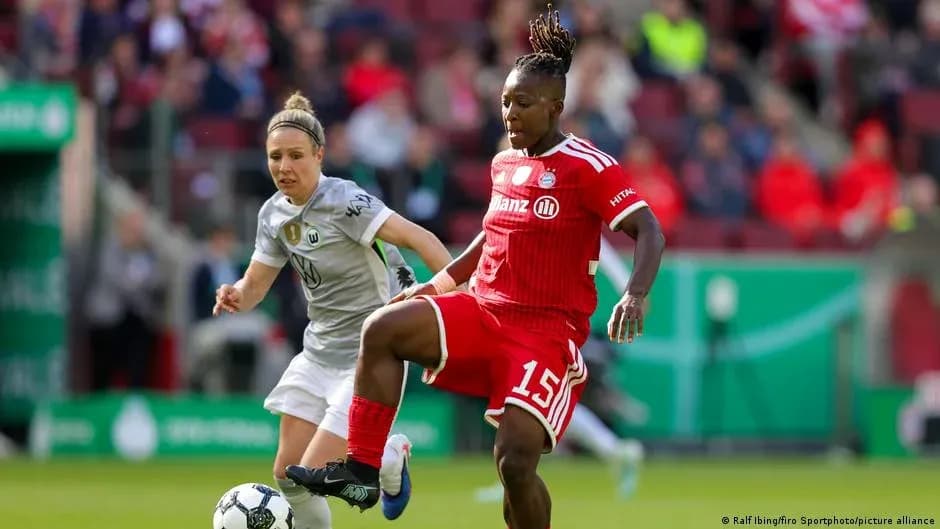
Seven months in Germany. Two trophies in the bag. Bernadette Amani has not just arrived at Bayern Munich; she has planted a flag.
The 28-year-old midfielder walked into one of Europe’s great institutions in January and walked out of her first half-season with both the Bundesliga and the German Cup medals around her neck. For a player who once chased a ball around with boys in a small Ivorian village, this is not a gentle career step. It is a leap.
"It's a dream come true for me to be here, and I'm living my dream to the full," she told DW shortly before the Women's Africa Cup of Nations kicked off in Morocco. There was no sense of someone overawed by the stage. Just a player who understands exactly how hard it was to get here.
“Munich is a very, very big club,” she said. “Beyond just making me happy, it's a real achievement, a dream come true to be here, to play for such a prestigious club."
Bayern’s Demanding New Classroom
Amani arrived in Bavaria via CD Tenerife Femenino in Spain’s Liga F, but the jump in daily standards hit her immediately.
"I was already professional when I was in Spain, but let's just say it wasn't quite the same level of professionalism," she explained.
At Tenerife or back home in Ivory Coast, a coaching staff might mean five or six people. At Bayern, she walks into sessions and counts eight, sometimes 10 specialists around the squad. Analysts, fitness experts, individual coaches. A full ecosystem built to squeeze out marginal gains.
"And that enables them (the players) to perform at that high level for a long time."
The effect on a newcomer is almost unavoidable. Surrounded by serial winners and detailed instruction, standing still is not an option.
"I've learned a great deal about aspects I wasn't already aware of; how to position myself, how to position my body, how to interact with the ball and how to think," she said. "Really understanding the game is something I'm gradually learning alongside (the players) and the coaching staff."
For Amani, Bayern is not a finishing line. It is a classroom where the lessons are relentless.
From Reluctant Parents to a Life in Football
None of this was mapped out when she first kicked a ball around Dougbafla.
Her parents wanted grades, not goals. Education, not evening training. Football, in their minds, was a distraction, not a profession. So the move that was supposed to pull her away from the game – from the village to the capital, Abidjan – ended up doing the opposite.
In Abidjan, she stumbled onto the women’s league. She went to a match. The timing changed everything.
"I discovered the women's football league. I went to a match and, as luck would have it, it was the top team against the second-placed team," she recalled.
On the pitch, the level stunned her: the intensity, the technique, the speed of play. On the sidelines, another revelation.
She heard that one player was missing because she was in Serbia. Another was absent because she was playing in Turkey. Suddenly, football was no longer a pastime. It was a passport.
"That was a real eye-opener for me; it made me realize that I could make a living from what I love."
One of the teams on the pitch that day, Onze Soeurs de Gagnoa, invited her for a trial in 2019. She took it – and took her chance. Within a year she had left Ivory Coast for Spain’s third tier. Five years later, she was in Liga F with Eibar. Always restless, always scanning for the next rung, she moved quickly on to Tenerife.
From there, Bayern called. Or, as she puts it, “the top.”
Someone on the outside might think that is the fairy-tale ending.
"Someone on the outside will say to you: 'You've put in the effort, you've made it to Bayern, a club that wins titles, that's professional and renowned all over the world,'" she said.
"But someone who's involved in football will tell you that's where the hard part begins. Staying there is even better. And it's hard not to let your guard down."
The message is clear: the dream has been achieved, but the comfort zone is closed.
Wearing the Armband for Ivory Coast
For the next few weeks, though, Bayern will have to share her. In Morocco, Amani is not just another midfielder. She is the captain of Ivory Coast at WAFCON 2026, leading a nation back onto the continental stage after a 12-year absence.
Ivory Coast were one of four late additions when the tournament expanded from 12 to 16 teams at the last minute. On paper, that sounds like a bonus entry. For Amani and her teammates, it is a responsibility.
"The target that has been set for us is, of course, to do no worse than we did at the last Africa Cup of Nations we took part in — that is, to finish third," she said.
Back in 2014, the Lady Elephants claimed that bronze. The landscape has shifted since then. The squad now boasts more players in top European leagues, a sign of steady progress in the Ivorian women’s game. At the same time, almost half of this group are WAFCON debutants.
Experience and inexperience, side by side. A captain in Munich’s pressure cooker, leading players who are tasting a major tournament for the first time.
"We're going to focus on our own game, and we know that we've got qualities that could give (our opponents) a run for their money," Amani said. No big statements, just a quiet, measured belief.
The early evidence backs her up.
Statement Start in Casablanca
On Monday in Casablanca, Ivory Coast did more than just “give opponents a run for their money.” They dismantled Burkina Faso 4-1 in their opening Group B match, a performance that put them top of the section and announced their return in bold ink.
The goals flowed, the confidence grew, and the captain’s words suddenly carried extra weight. This did not look like a side grateful for a late invitation. It looked like a team intent on staying for the final weekend.
The test sharpens now. On Friday, they face South Africa, ranked second on the continent. On reputation, it is a step up. On current form, the picture is more complicated.
South Africa opened with a shock 2-1 defeat to lowly Tanzania, a result that ripped up the expected script and left Group B wide open. It also handed Ivory Coast an opportunity – and a warning. Big names can slip. Big chances can vanish.
For Amani, this is familiar territory. She has fought for every promotion, every transfer, every minute at the top. Nothing has been handed to her. Nothing will be in Casablanca either.
From Dougbafla to Abidjan, from Spain’s third tier to Bayern’s title celebrations, her career has been built on spotting doors that others barely noticed and forcing them open. Now she carries that same mentality into a tournament her country has waited more than a decade to revisit.
The medals in Munich prove what she can win. The question in Morocco is different: how far can she drag a nation that is only just rediscovering the big stage – and how much further can this journey still go?
Related News

Wilfred Ndidi’s Marriage Reportedly Ends as He Enters New Relationship

Cristiano Ronaldo's Top 5 Most Valuable Cars in His Extraordinary Collection
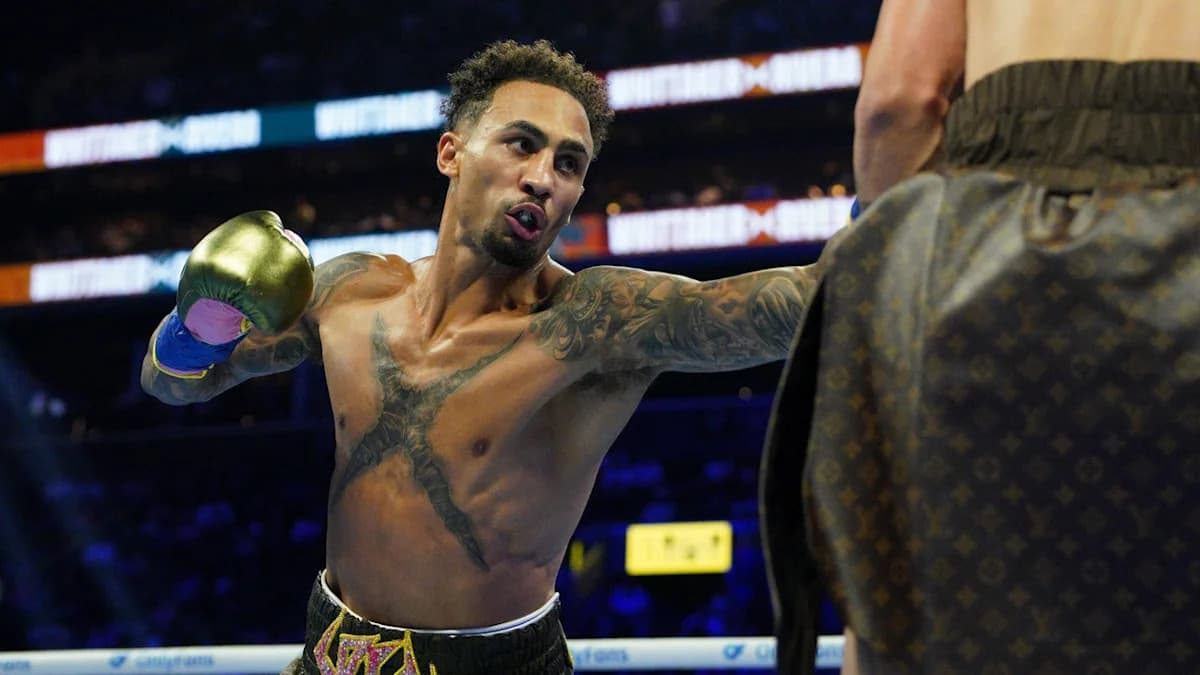
Ben Whittaker’s Challenge to Prove Eddie Hearn’s Bold British Boxing Bet
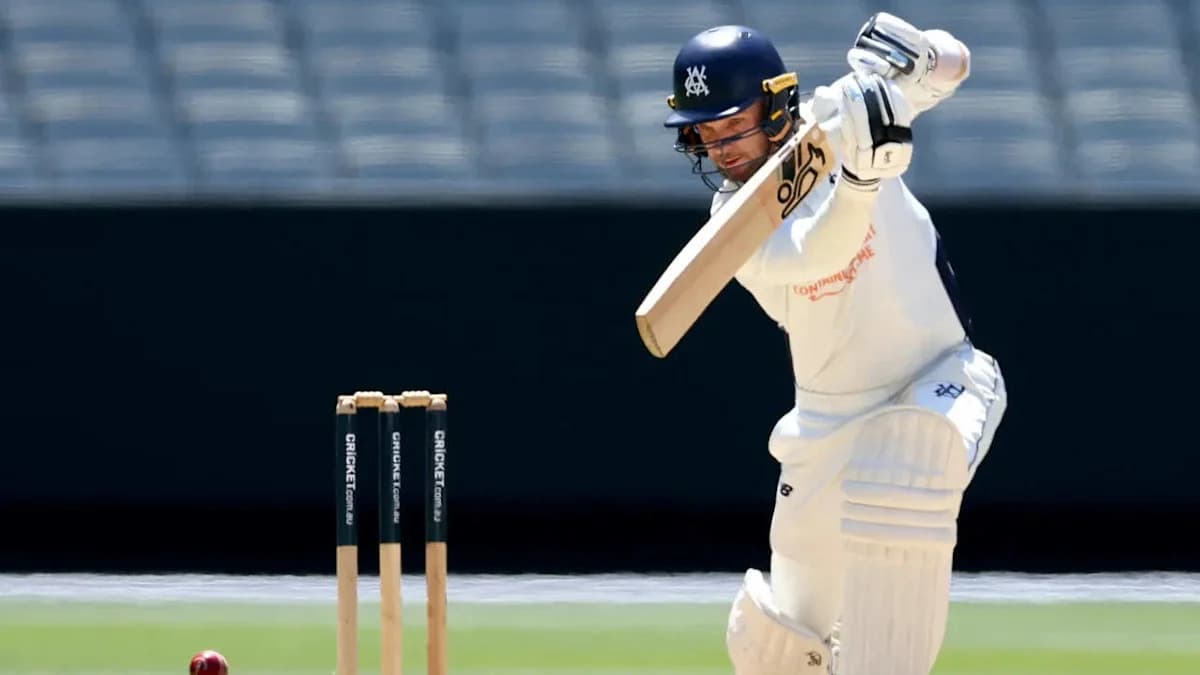
Peter Handscomb on the Challenge of Facing Indian Bowlers
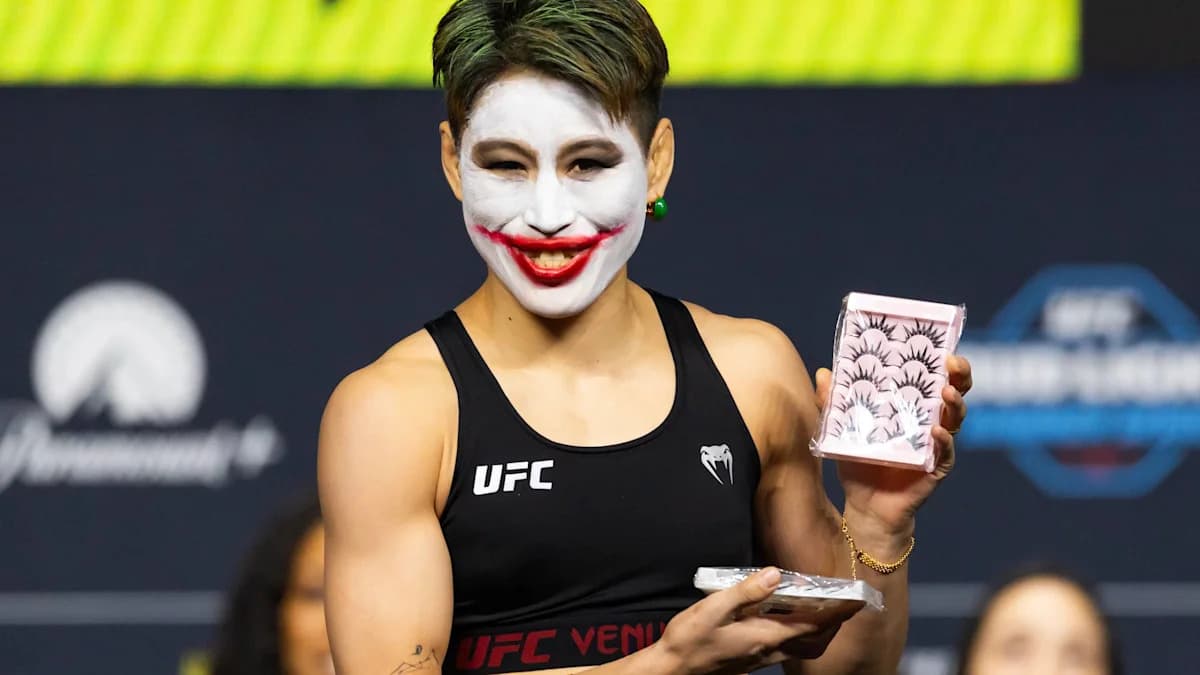
How to Watch UFC 332: Silva vs. Wang Live on CBS and Paramount+ This Saturday
Raul Rosas Jr. Shares His Thoughts on the Shocking UFC Vegas 121 Finish Against Raoni Barcelos