
Andrea Pirlo Set to Coach Italy National Team
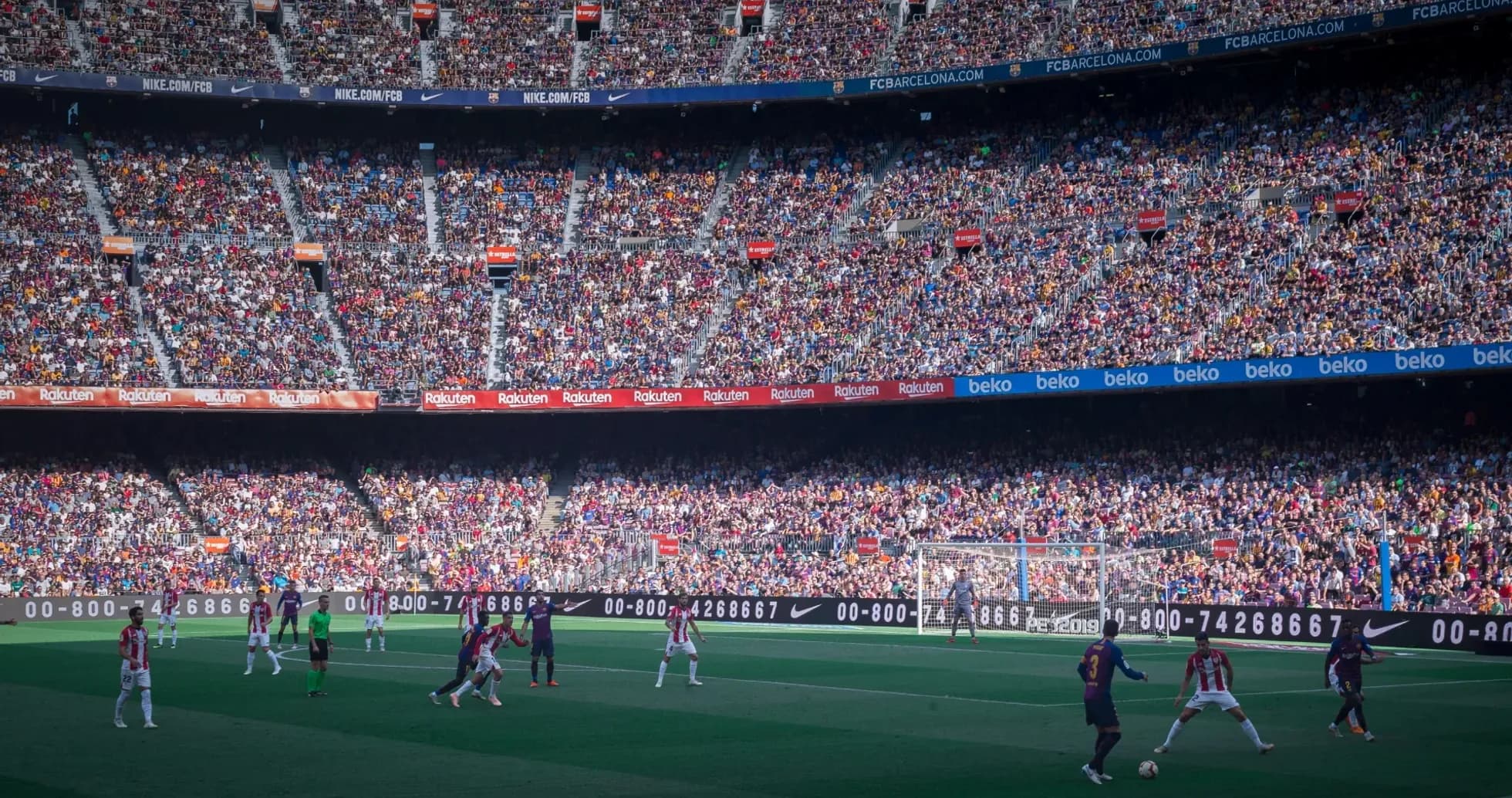
Andrea Pirlo is poised to step back into the heart of Italian football, this time not with his boots but with a four-year contract on the touchline.
According to Italian daily La Repubblica, the Italian Football Federation (FIGC) has reached an agreement with the former Azzurri playmaker to become the new national team coach, handing the keys of a broken giant to one of its most elegant sons. The FIGC has not yet commented, but the direction of travel is clear: Italy are turning to a symbol of their past to rescue their future.
Pirlo, 47, is currently coaching Dubai United in the UAE First Division League, far from the glare and scrutiny of Coverciano. That low-profile posting now looks like a brief interlude before one of the most demanding jobs in world football.
This is not a nostalgic appointment built on romance alone. Pirlo’s playing résumé still carries enormous weight. World Cup winner in 2006. The metronome of Italy’s midfield for more than a decade. A conductor for Inter Milan, AC Milan and Juventus in a club career that defined an era of Italian playmaking.
His coaching track record is shorter, but not empty. In his only season in charge of Juventus, in 2020-21, he guided the club to the Coppa Italia and the Italian Super Cup. The league campaign faltered by their own standards, yet he left with two trophies and a reputation as a coach willing to trust young players and stick to a clear idea of football.
Now he walks into a very different kind of challenge.
Guardiola turns Italy down
Pirlo’s rise comes on the same day another storyline broke: Italy asked Pep Guardiola to take the job. He said no.
A source familiar with the talks told Reuters that the former Manchester City and Barcelona manager held discussions over becoming Italy’s head coach, only to reject the approach. FIGC president Giovanni Malago had hinted that the federation could stretch itself financially for a candidate of Guardiola’s stature, a rare public admission of just how far Italy were prepared to go.
They tried. They aimed for the man who reshaped modern football in Barcelona, then dominated England with Manchester City. Six Premier League titles, including an unprecedented four in a row. Three FA Cups. Five League Cups. A Champions League trophy that finally crowned his decade in Manchester. Before that, two Champions League titles and three LaLiga crowns at Barcelona, three Bundesliga titles at Bayern Munich.
It was an audacious move from a federation under pressure. It ended with a refusal.
Guardiola was not the only elite name sounded out. FIGC also approached Brazil coach Carlo Ancelotti, another Italian giant with a glittering club record and a deep understanding of the Azzurri’s culture. The search ranged across continents and philosophies before circling back to one of their own.
A nation in crisis turns to a symbol
Italy are not just changing coaches. They are trying to arrest a freefall.
Four-time world champions, yet absent from the last three World Cup finals. Gennaro Gattuso stepped down in April after failing to drag them back to the biggest stage, and his departure left a vacuum that exposed deeper structural problems.
The national team no longer sits atop a healthy pyramid. The youth development and talent pathways that once produced conveyor belts of defenders, schemers and ruthless forwards have eroded. Clubs lean heavily on imported solutions. Young Italian players struggle for minutes. The pipeline that fed the 1982, 2006 and even Euro 2020 triumphs has thinned to a worrying trickle.
In that context, Pirlo’s potential appointment is being framed as more than a simple change of manager. It is seen as the first move in a broader reconstruction of Italian football’s foundations, from academy pitches to the national anthem on matchday.
What Pirlo represents
Pirlo arrives as a bridge figure. He understands the old Italy that defended first and suffocated opponents, but he also personified the evolution toward a more technical, possession-based style. On the pitch, he was the player teammates looked to when chaos needed order. Now the country will ask him to do the same from the dugout.
His calm persona will be tested in a job that allows little serenity. The expectations are brutal. The margins for error, tiny. Every squad list will be a referendum on the future of Italian talent. Every tactical choice will be weighed against the urgent need to modernise without losing identity.
He will not fix the youth system alone. That will demand structural change, investment, and patience that Italian football rarely shows. But the head coach sets the tone. He decides which young players are trusted, which ideas are given room to grow, which risks are worth taking.
For a nation wrestling with its footballing soul, handing that responsibility to Andrea Pirlo is a bold, unmistakably Italian decision. The maestro who once dictated the rhythm from midfield may soon be asked to orchestrate a full-scale rebuild.
If the agreement is confirmed, the next whistle he hears in an Italy shirt will not signal the start of another performance with the ball at his feet. It will mark the beginning of a rescue mission that could define a generation.
Related News
UFC 332 Preview: Natalia Silva vs. Wang Cong Fight Card, Odds, Start Time, and Details
Andy Roddick Responds to Andre Agassi’s Comments on Alexander Zverev at the Laver Cup

Knicks Prepare for Flexible Roles in Title Defense
Rui Hachimura Swaps Lakers Fans to Clippers in Surprising Jersey Exchange

Who Will Be the NBA's Next First-Time All-Stars? Top Picks and Long Shots for 2027
How Strong Is Your Team at Home? Check Out the 2026 Brasileirão Home Standings