
Argentina’s Runners-Up and the National Holiday Controversy
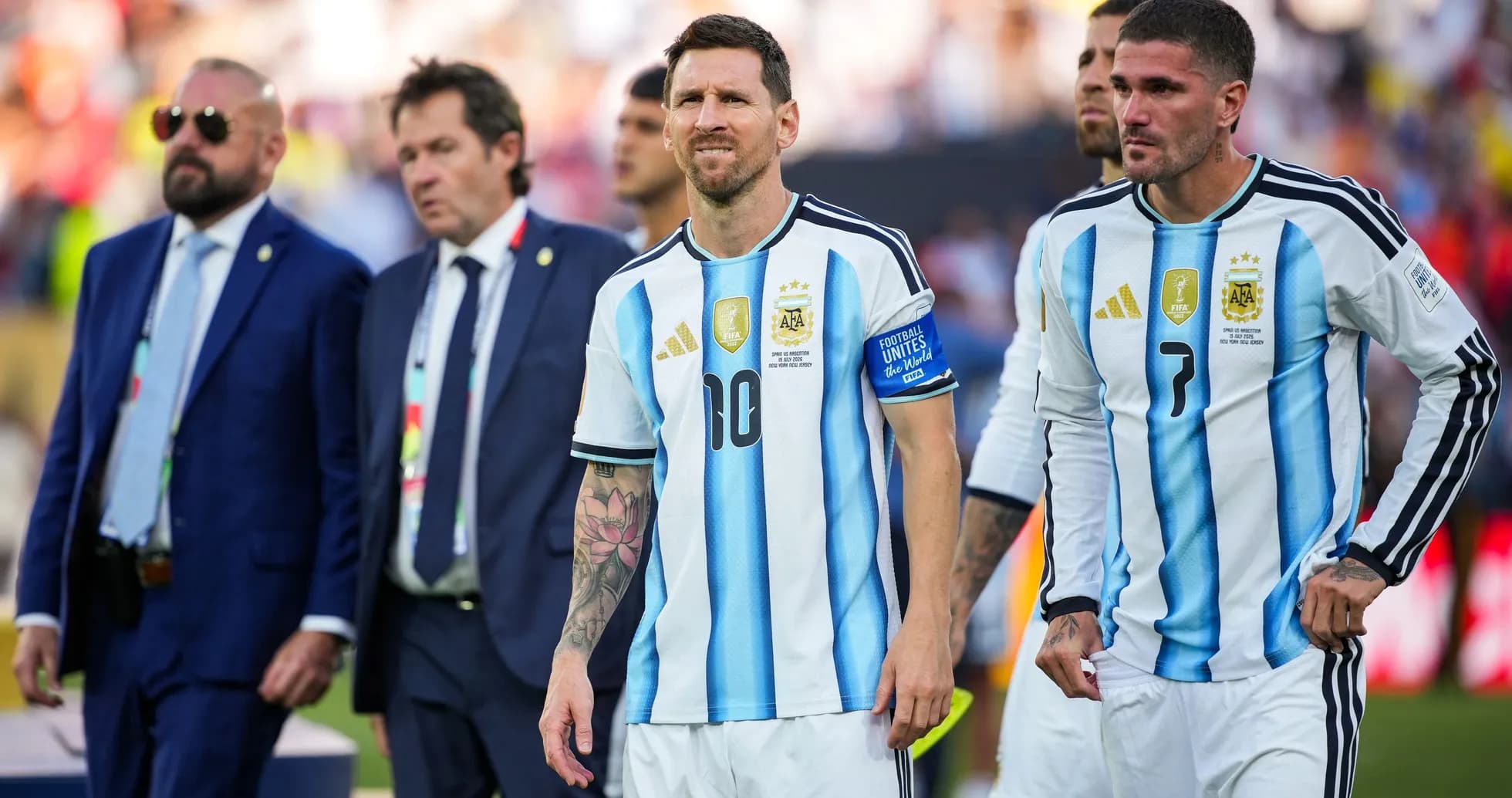
Argentina flew home without the trophy, beaten 1-0 in extra time by Spain in New York, undone by a Ferran Torres strike and a strangely blunt performance that failed to produce a single shot on target. Yet the political aftershock back home has been louder than the final whistle.
In a move that stunned even a football‑mad country used to grand gestures, the government handed the power to the squad: they can choose a national holiday to commemorate their tournament campaign.
Not a title. Not a miracle comeback. A runners-up finish.
Milei’s Gamble
President Javier Milei did not even attend the final in person, skipping the showpiece because of his own superstitions. Instead, he watched from afar and then detonated the debate online.
Posting on X, he wrote: “Given the concern about the celebrations for the achievement reached by the Argentine National Team, I inform the population that, depending on what the Players and the Technical Staff decide regarding the day to celebrate, it will be declared a national holiday.”
One sentence, and the country split in two.
For many Argentines, the idea of stopping the nation to celebrate second place jarred with the stark reality of that timid display against Spain. No shots on target. The world crown surrendered. No Messi miracle to drag them over the line this time.
Some citizens even wondered if it was a technical mistake, a clumsy miscommunication that would soon be walked back. It wasn’t.
Pride vs Pragmatism
The reaction cut deep into Argentina’s footballing psyche. This is a country built on the mythology of Diego Maradona in 1986 and Lionel Messi in 2022, a place where the shirt is supposed to be measured in stars, not consolation gestures.
Many supporters argued that the players themselves would rather slip quietly back to their clubs than ride through Buenos Aires on an open-top bus for finishing second. The season with their teams is already calling; pre-season camps, European schedules, and commercial tours wait for no one, not even world champions dethroned.
Milei pushed back with another post, this time a message of gratitude aimed squarely at the dressing room: “Thank you so much, players. [We fought] until the end with our boots on. Argentina always at the top.”
It was a reminder that, in his eyes, effort and identity still matter, even when the scoreboard doesn’t favour the Albiceleste.
The End of an Era Looms
Behind the noise of politics and public opinion, a colder reality faces Lionel Scaloni and his staff. This campaign may well mark the last World Cup chapter for the veteran core that dragged Argentina through a golden cycle.
Lionel Messi is at the centre of that conversation. At 39, the Inter Miami star is expected to have played his sixth and final World Cup. He has not formally announced his retirement from international football, but the sense of an era closing hangs over the squad.
Scaloni and his coaches now have to pivot quickly. The next cycle will demand fresh legs, new voices, and a reimagined spine. Blooding talent is no longer a long-term plan; it is an urgent necessity.
So Argentina stand at a strange crossroads: a country arguing over whether to celebrate second place, a president offering a holiday, and a generation of legends edging toward the exit.
What matters more now — a day off in their honour, or the hard work of building the team that must live without them?
Related News
UFC 332 Preview: Natalia Silva vs. Wang Cong Fight Card, Odds, Start Time, and Details
Andy Roddick Responds to Andre Agassi’s Comments on Alexander Zverev at the Laver Cup

Knicks Prepare for Flexible Roles in Title Defense
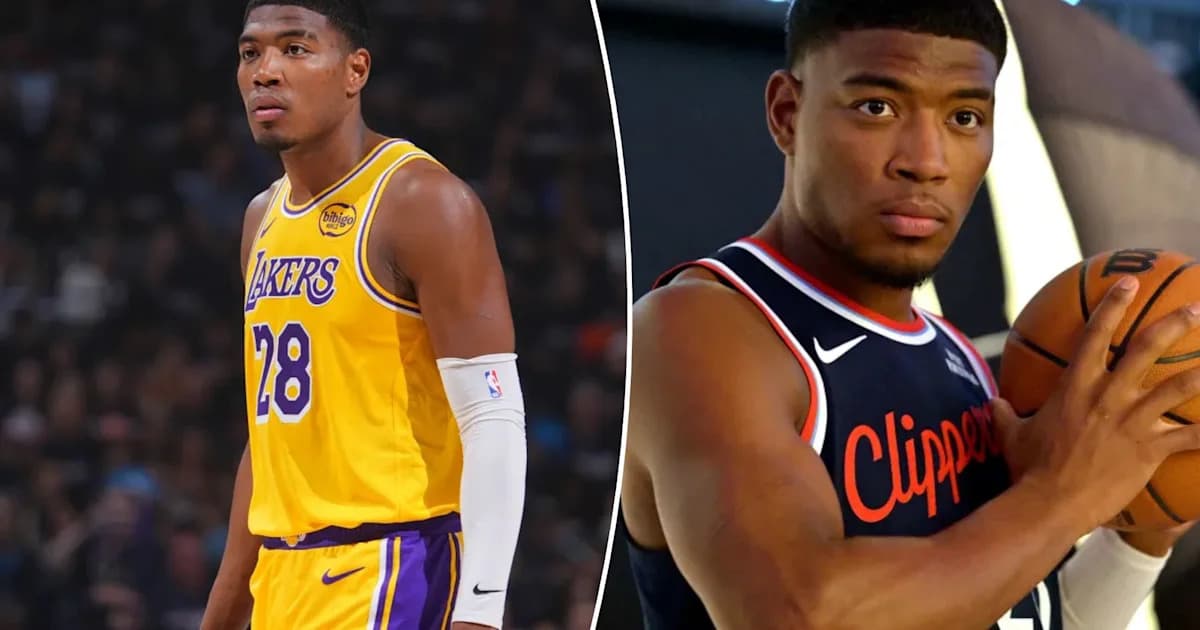
Rui Hachimura Swaps Lakers Fans to Clippers in Surprising Jersey Exchange

Who Will Be the NBA's Next First-Time All-Stars? Top Picks and Long Shots for 2027
How Strong Is Your Team at Home? Check Out the 2026 Brasileirão Home Standings