
Ashley Young's Retirement and Hip Replacement Journey
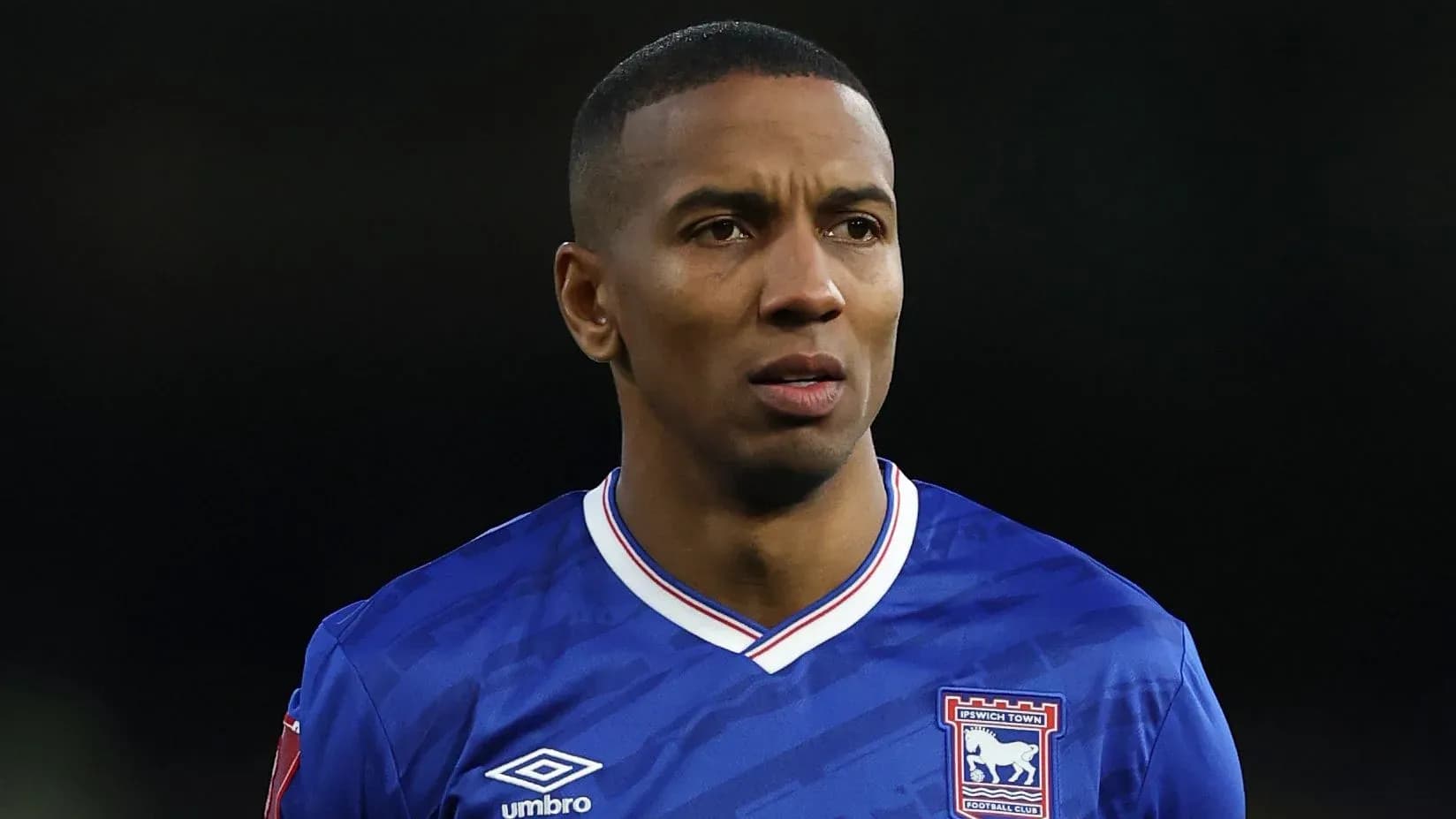
Ashley Young spent 23 years outrunning defenders and defying age. In the end, it was his own body that finally called time.
Weeks after confirming his retirement, the former Manchester United and England stalwart has revealed he now needs a hip replacement – a brutal, clinical end point for a player who squeezed every last minute out of his career.
Speaking on the High Performance Podcast, the 41-year-old described the moment the warning signs could no longer be ignored. It began in November, deep in the grind of Ipswich Town’s promotion push.
“I went down on my hip in November and had an injection,” he said. For most players, that might be just another line in the medical notes. For Young, it was a red flag he’d always promised himself he wouldn’t ignore. “I have always said to myself: ‘If my body is saying you need injections, there is a problem, you need to think about retiring.’”
The diagnosis was stark. The specialist told him he would need a hip replacement in around 10 years. Young tried to push that reality to the edges of his mind and focus on the short term. Another injection was scheduled for January, one more patch-up job to drag his body through to the end of the season.
He wasn’t thinking about himself. He was thinking about Ipswich.
“I was saying to the specialist, ‘I know it is painful, but I want to make sure I do everything I can possibly do to help the team.’”
Ipswich were chasing a return to the Premier League and Young, in the final act of a decorated career, had signed up for the fight. He made 15 appearances across all competitions as Kieran McKenna’s side surged towards automatic promotion from the Championship. The numbers don’t tell the full story. The toll on his body does.
About a week before that second injection, it all changed.
“About a week before I am about to have the injection, I go down on it in training and I am like ‘this is worse, I know it is a lot worse’,” he recalled.
The pain didn’t just increase. It took over. From January, Young could barely train. For two to three months, the hip that had carried him through Old Trafford, San Siro and countless Premier League battles simply refused to cooperate.
“From January to the end of the season, I literally had two or three months where I couldn't train it was that painful,” he said.
Most players, at 41, would have quietly stepped away. Young dug his heels in. He went back to the specialist and made his position clear.
“I'm not going out like this.”
He pressed the question no veteran wants to ask but every injured pro eventually must.
“I asked him ‘are you telling me I can't play football again, you can say it if you want, trust me if I get an opportunity to be back on the pitch, I'll be back on the pitch’.”
The doctors could manage the damage, not erase it. Young knew the end was coming, but he refused to let it be written for him in a treatment room.
So he pushed on.
In the final stretch of the season, as Ipswich closed in on a place in the Premier League, he did something that left even the medical staff shaking their heads.
“The last two months of the season I was training every day and he was like ‘it is not possible, you shouldn't be training’,” Young revealed.
He didn’t make it onto the pitch on the final day. There was no late cameo, no scripted farewell in front of the cameras. For some, that might have stung. For Young, there was satisfaction in something else: knowing he had emptied the tank for one last cause, even when every step hurt.
“It would have been incredible to come onto the pitch for the last game of the season,” he admitted. “But for me to train like I did that week and for us to be promoted on the last day of the season, it was fitting.”
Ipswich’s rise, sealed with a second-place finish and a historic return to the top flight, became the closing chapter of a career that started at Watford, exploded at Aston Villa, and hit the elite heights at Manchester United and Inter Milan.
Young leaves the game not with the romantic final appearance he might have imagined, but with something that perhaps matters more to players of his mould: the knowledge that he kept going long after his body started saying stop.
Now comes the hip replacement, a stark reminder of the price paid for two decades at the top. The medals and memories will shine for years. The scars, clearly, already do.
Related News
Carlos Alcaraz Urges an End to Matches Ending in the Early Hours
Carlos Alcaraz Criticizes Late US Open Finish After 3:30 a.m. Match
Jannik Sinner Set for ATP 500 Return in Beijing with Novak Djokovic Also Competing

Meet Iva Jovic: The American Tennis Prospect Making Waves
Flavio Cobolli Shares Insights on Practice Session with Jannik Sinner Ahead of Comeback
Till vs Romero: Fight Details, Undercard, and Viewing Info for This Weekend