
Atlanta United II vs Orlando City II: A Clash of Developmental Styles
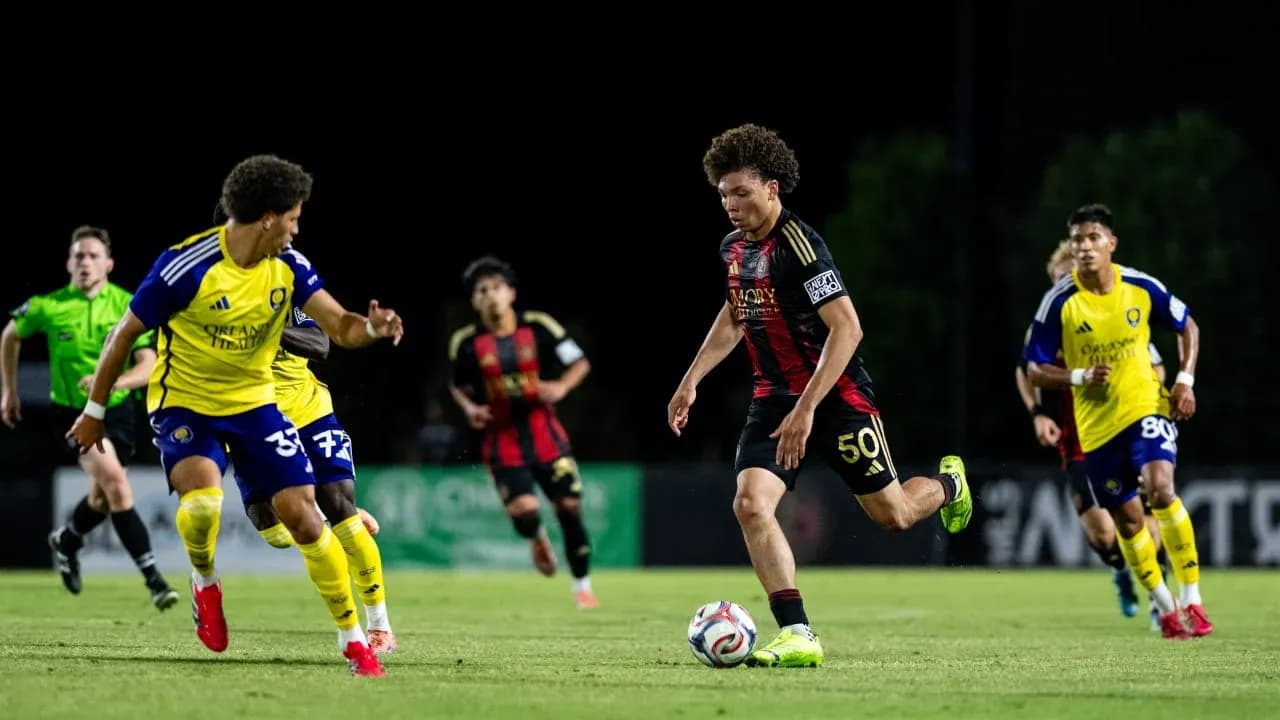
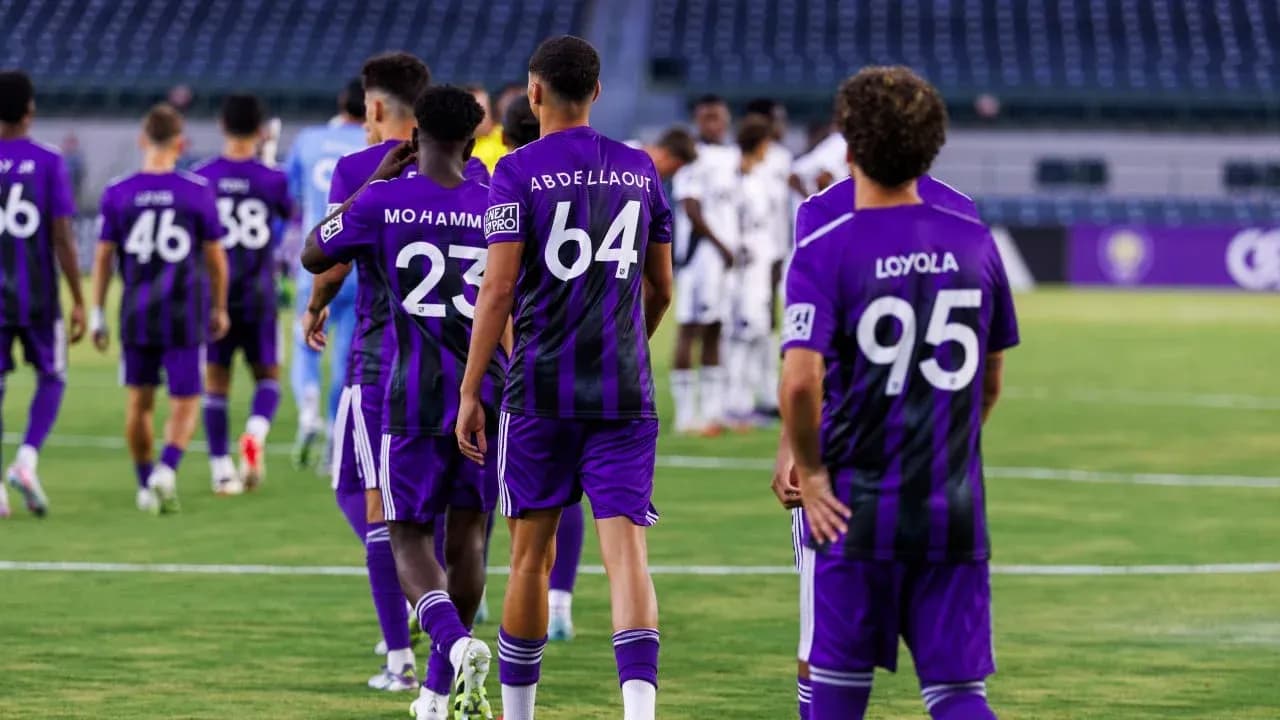
Under the lights at Fifth Third Stadium, Atlanta United II’s 2-0 home defeat to Orlando City II felt less like an isolated stumble and more like a revealing snapshot of two contrasting developmental projects in MLS Next Pro’s Eastern Conference.
Heading into this game, both sides were level on 16 points overall, each sitting in the play-off positions of the Eastern Conference – Atlanta United II ranked 4th, Orlando City II 5th – but arriving there by very different routes. Atlanta had built their position on narrow control: 14 goals for and 11 against overall, a goal difference of +3, with an overall scoring rate of 1.6 and 1.3 goals conceded per match. Orlando, by contrast, were chaos merchants: 19 goals scored and 19 conceded overall, a goal difference of 0, attacking at 2.4 goals per game while allowing 2.2. This fixture always looked like a test of whether Atlanta’s balance could withstand Orlando’s volatility.
Atlanta’s XI was youthful and fluid, more a collection of profiles than a rigid structure. J. Hibbert anchored the side, with a defensive line built around M. Senanou and M. Cisset, and the ball progression entrusted to A. Gill, A. Torres and E. Dovlo. Up front, the mobility of C. Dunbar and the presence of A. Kovac were meant to stretch Orlando’s back line. From the bench, the likes of M. Tablante and P. Weah offered pace and direct running, while J. Donaldson and A. Henry provided fresh legs in deeper zones.
Orlando City II mirrored that youth but with a sharper attacking edge. L. Maxim protected the goal, with P. Amoo-Mensah, C. Guske and T. Reid-Brown forming the core of a back line that has been more resilient on their travels than at home. In total this campaign, Orlando had conceded 7 goals away from home at an average of 1.8 per away match, a noticeable improvement on the 2.6 they were shipping at home. In front of them, the double pivot of B. Rhein and D. Judelson offered both screening and vertical passing, while I. Gomez and G. Caraballo linked play into the final third. The attacking burden fell on I. Haruna, H. Sarajian and Pedro Leao, a trio built to exploit transitions and half-spaces rather than patiently break down a block.
The match narrative turned quickly against Atlanta. Trailing 0-1 by half-time and eventually losing 0-2, they suffered a rare home shutout. Heading into this game, Atlanta had scored 6 goals at home in 3 matches, averaging 2.0 per home fixture and conceding 1.3. They had failed to score at home only once in total this campaign; this defeat adds another worrying data point to that trend of occasional attacking flatness.
Tactically, the void for Atlanta lay between their structured build-up and their ability to protect transitions. Their overall defensive record – 12 goals conceded in total at 1.3 per match – suggests a side usually comfortable without the ball, but the season-long disciplinary profile hints at fragility when games become stretched. A striking 23.81% of their yellow cards arrive between 76-90 minutes, with a further 14.29% between 91-105. That late-game surge in cautions reflects a team that often ends up chasing, overcommitting, or simply tiring in the final phase. Red cards are evenly spread across 46-60, 61-75 and 76-90 (each at 33.33%), reinforcing the idea that once tempo rises after the break, Atlanta can tip from aggression into desperation.
Orlando’s card map is almost the mirror image. A combined 52.64% of their yellow cards come in the 16-45 window (26.32% from 16-30, another 26.32% from 31-45), front-loading their physicality and tactical fouling. Only 10.53% of their yellows fall between 76-90, suggesting that once they establish control or a lead, they manage game states more calmly. In a match where they struck first and defended from the front, that early intensity and later composure were decisive.
Without explicit injury data, the tactical absences are more conceptual than personnel-based. Atlanta’s biggest home win, 4-1, shows they can overwhelm visitors when their press and vertical play sync, but their heaviest home loss, 0-2, foreshadowed exactly what unfolded here: when they concede first, they struggle to re-balance risk and control. With no clean sheets at home in total this campaign and 4 goals conceded across 3 home matches heading into this fixture, the margin for error was always slim.
For Orlando, the structural gamble is different. They had failed to keep a clean sheet away from home only once in total this campaign, but still conceded 7 goals across 4 away matches. Their identity is unapologetically attacking: 9 away goals at 2.3 per away game, and they have yet to fail to score in any fixture, home or away. Their penalty record – 2 taken, 2 scored, 100.00% conversion, no misses – underlines a clinical edge that complements their open-play threat.
In the “Hunter vs Shield” matchup, Orlando’s multi-headed attack, with Pedro Leao and Haruna constantly probing, faced an Atlanta defence that had been solid in total but untested against such sustained volume. The numbers suggested Orlando would create; the question was whether Atlanta’s home scoring rate could keep pace. The 0-2 scoreline answers that starkly.
In the “Engine Room” battle, B. Rhein and D. Judelson imposed the tempo on a midfield where Gill, Torres and Dovlo never quite found stable passing lanes between Orlando’s lines. Orlando’s willingness to foul early, then drop into a more measured block, denied Atlanta the rhythm they rely on to generate their 2.0 home goals per game.
From a statistical prognosis standpoint, the pre-match xG expectation would have leaned toward a high-event contest: Orlando averaging 2.4 goals for and 2.2 against in total, Atlanta at 1.6 for and 1.3 against. Yet Orlando’s away defensive trend – conceding fewer than at home – combined with Atlanta’s lack of home clean sheets hinted that if the visitors scored first, their structure and game-management profile would tilt the match their way.
Following this result, the story of these two squads sharpens. Atlanta United II remain a side of clear potential but thin margins, reliant on control and rhythm that can be broken by early pressure and emotional late-game phases. Orlando City II, meanwhile, look every inch a dangerous play-off hunter: aggressive early, ruthless in front of goal, and increasingly composed once ahead. In a league built on development and volatility, this felt like a statement that Orlando’s chaos is becoming something more organised – and far more threatening.
Related News

MLS Winners and Losers: Cavan Sullivan’s USMNT Rise, St. Louis City SC’s Smart Moves, and Chicago Fire’s Hugo Cuypers Gap

MLS Winners and Losers: Portland Timbers' Historic Hat-Trick, Josh Sargent Shines, and Cavan Sullivan's Rising Star
Tacoma Defiance Injury List: Players Out and Return Dates vs Colorado Rapids II
Carolina Core injury list: Players out, potential return dates
Tacoma Defiance vs Colorado Rapids II Predicted Lineups and Team News
Orlando City II vs Huntsville City Predicted Lineups and Team News