
Barcelona's Leadership Crisis: Raphinha Emerges as Captaincy Contender
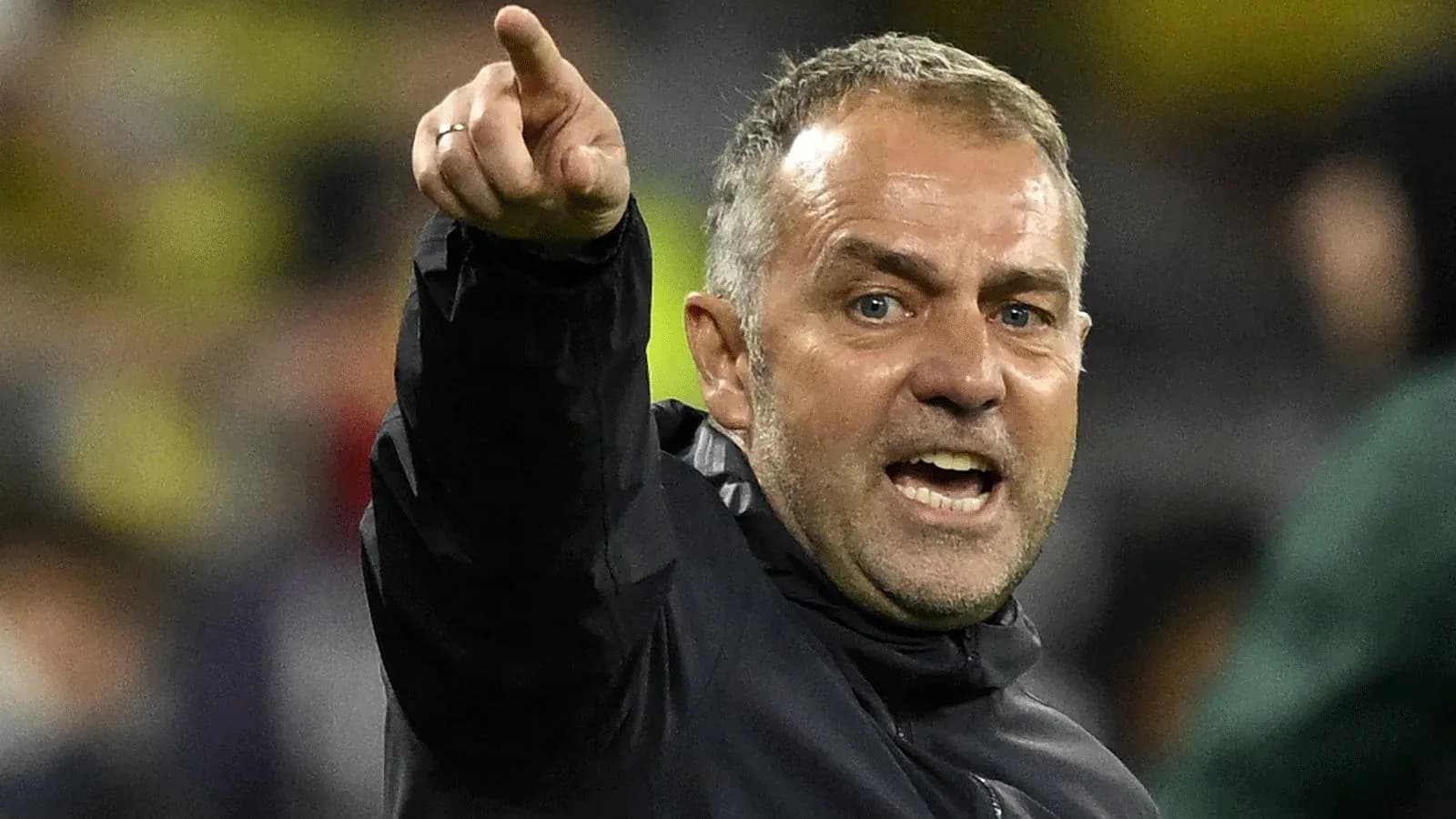
Barcelona are used to replacing geniuses on the pitch. Replacing voices in the dressing room is a different kind of problem, and Hansi Flick has walked straight into the middle of one.
Marc-André ter Stegen’s loan move to Ajax didn’t just take away a goalkeeper; it ripped out the first pillar of the club’s leadership structure. Ronald Araujo was pushed into the primary captain’s role almost by default, a natural warrior figure to inherit the armband. Now his own potential move to Liverpool has thrown the hierarchy into chaos again. The captaincy is no longer a formality. It is a vacancy.
Until the end of last season, the chain of command was clear: Ter Stegen, Araujo, Frenkie de Jong, Raphinha, Pedri. A blend of experience, personality, and technical class that gave the dressing room a spine. Two of those five are now out of the picture, at least for the moment, and Barcelona suddenly find themselves having to redraw the map of authority.
Flick cannot dodge that call. With a young, talented, and often fragile squad, the identity of the captains will shape the tone of his first season as much as any tactical tweak.
Frenkie de Jong sits at the front of the queue on paper. Seniority, status, and influence make him the “natural candidate” to become first captain. But the situation is anything but straightforward. The Dutch midfielder is injured, his recovery a subject of internal debate and frustration. Within the club, there is a feeling that he has leaned towards prioritising the World Cup with the Netherlands over his immediate availability for Barcelona. That perception, fair or not, complicates the idea of handing him the primary armband at a time when the club crave total commitment.
This is where Raphinha steps into the spotlight.
According to Mundo Deportivo, the Brazilian has quietly become one of the most powerful figures in the squad. Not through speeches or slogans, but through performance, personality, and presence. He competes hard, he trains hard, and he connects with his teammates. In a dressing room still searching for loud, reliable voices after the departures of long-serving leaders in recent years, Raphinha has grown into a reference point.
The pressure finally told last season, when his influence stretched beyond the touchline. Team-mates listen to him. They respond to his intensity. That combination has made him a serious contender to wear the armband regularly, whether or not De Jong is fit enough to reclaim the central role.
Alongside De Jong and Raphinha, Pedri is expected to remain part of the leadership core. The Canary Islander is still young, but his footballing authority is unquestioned. When he plays, Barcelona’s style makes sense. That alone carries weight in a club that still measures itself against its own ideals.
Three names, though, are not enough. Barcelona want a captaincy group of five, and two more places are up for grabs.
Eric Garcia has emerged as one of the strongest candidates. On the surface, he is not the obvious choice: a defender whose Barcelona career has had its ups and downs, who has already tasted the demands of the Premier League with Manchester City. But his profile fits a very specific need. He is a La Masia graduate, steeped in the club’s values, and he understands the pressure that comes with the badge. That background gives him an extra edge when it comes to embodying what the club want their captains to represent.
Then there is Gavi. Only 22, but that number feels misleading. He has already lived through high-pressure Clásicos, title races, and the constant scrutiny that surrounds any emerging Barcelona star. More importantly, he plays with the kind of intensity, aggression, and raw emotion that supporters still associate with the club’s best eras. He is not just a midfielder; he is a statement of identity. Age may count against him on paper, but his attitude screams leadership.
Inside the club, the clock is ticking. The hierarchy know they cannot drift into the new competitive season with the armband still floating. Flick needs his lieutenants in place, the players who will carry his message onto the pitch and into the dressing room. With a squad loaded with youth and potential, those leaders will be asked to do more than just choose ends and call coin tosses. They will have to enforce standards, protect younger players, and hold the group together when results turn.
For now, De Jong remains the most senior survivor from the previous leadership cycle, but his injury and uncertain long-term outlook leave a gap that others must fill. The weight of responsibility is already sliding towards Raphinha and the La Masia core, with figures like Garcia and Gavi poised to step into more prominent roles.
Barcelona have spent years searching for the next great team. Now they are also searching for the next great group of captains. The names they settle on in the coming days will say as much about the club’s future as any signing.
Related News
Carlos Alcaraz Urges an End to Matches Ending in the Early Hours
Carlos Alcaraz Criticizes Late US Open Finish After 3:30 a.m. Match
Jannik Sinner Set for ATP 500 Return in Beijing with Novak Djokovic Also Competing
Meet Iva Jovic: The American Tennis Prospect Making Waves
Flavio Cobolli Shares Insights on Practice Session with Jannik Sinner Ahead of Comeback
Till vs Romero: Fight Details, Undercard, and Viewing Info for This Weekend