
Bezos and Saverin Join Forces for Liverpool Stake
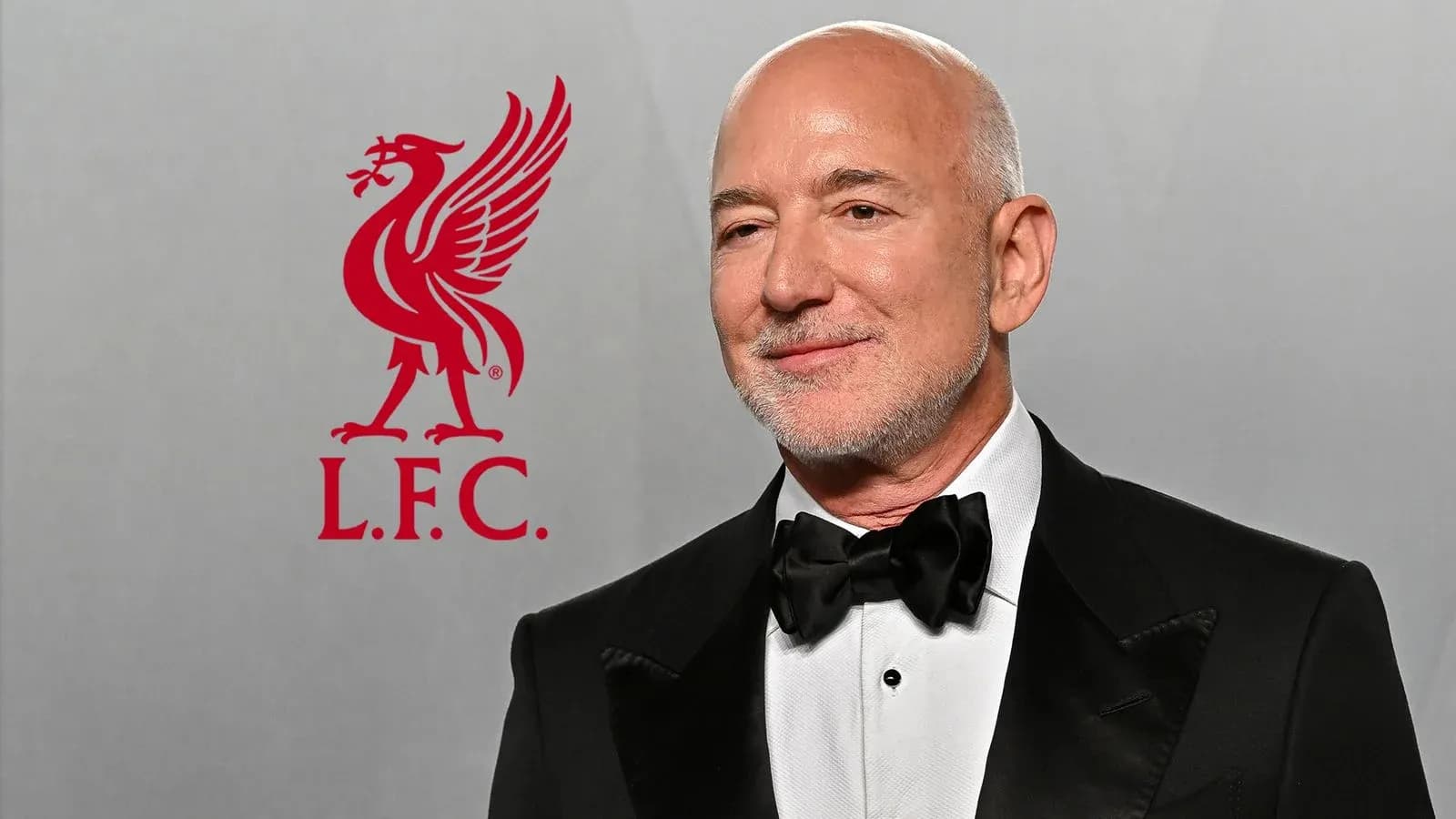
Liverpool, a club built on working‑class graft and European nights under the lights, is on the brink of welcoming some of the richest men on the planet into its ownership structure.
Sky News understands that a consortium featuring Amazon founder Jeff Bezos is closing in on a deal to buy roughly a one‑third stake in the Anfield club, in what would be one of the most lucrative transactions in football history.
Fenway Sports Group (FSG), Liverpool’s controlling shareholder since 2010, is preparing to announce the agreement as early as this week. Some involved in the talks, though, suggest the reveal could drift into next week as details are finalised.
A New Power Bloc at Anfield
This is not a lone billionaire swooping in. It is a syndicate.
Bezos will join forces with Eduardo Saverin, the Facebook co‑founder, in an investor group led by Amit Bhatia, the British Indian entrepreneur and son‑in‑law of steel magnate Lakshmi Mittal. Bhatia, until recently, held a stake in Championship side Queens Park Rangers and now runs multi‑asset investment firm AyBe Capital.
If the deal lands where insiders expect, the consortium will acquire just over 30 per cent of Liverpool, rather than the slightly smaller slice first anticipated. The investment would value the club at around £4.4bn ($6bn), a figure that would rank among the richest deals the sport has ever seen.
For FSG, it would mark another staggering leap in valuation. The Boston Red Sox owners bought Liverpool in 2010 for about £300m, inheriting a club in serious financial distress. Sixteen years on, the numbers tell their own story.
Wealth on a Different Scale
This is money on a scale even the Premier League rarely sees.
Forbes estimates Bezos’s fortune at more than £207bn ($280bn). Saverin’s wealth is put at over £23.7bn ($32bn). Add in the Mittal family connection through Bhatia, and Liverpool would suddenly sit under the partial stewardship of a trio operating at the very top of the global rich list.
The immediate deal on the table is for a minority stake. The implications feel bigger. The arrival of such a heavyweight consortium will inevitably fuel the belief that these investors may, in time, push for outright control of the club.
For now, that remains speculation. The facts are stark enough.
FSG’s Stance and the Quiet Negotiations
FSG has been careful with its words. A spokesperson said last month: “An investment consortium led, managed, and represented by Amit Bhatia has expressed interest in making a strategic minority investment in Liverpool Football Club.”
Since then, silence. FSG has declined to comment on the timing or structure of any agreement. A spokesman for Bhatia’s consortium has also refused to be drawn on details.
Behind the scenes, though, the shape of the transaction has become clearer. One insider has indicated that the stake is now expected to be slightly larger than previously thought, tipping beyond 30 per cent. The valuation, if it reaches £4.4bn, would confirm the extraordinary financial success of FSG’s tenure.
The last time Liverpool equity changed hands was in 2023, when Dynasty Equity bought a small stake that valued the club at more than £3.3bn ($4.5bn). This new deal would push that benchmark significantly higher.
Why Liverpool, Why Now?
Bezos has never been seriously linked with a football club before. His empire has stretched from e‑commerce to cloud computing, from Blue Origin’s rockets to The Washington Post via Nash Holdings. Football, though, has remained outside his portfolio.
Not any longer, if this closes.
His move into Liverpool underlines how elite sport has become a prized asset class for the world’s wealthiest investors. Broadcasting rights, global fanbases, commercial reach, stadium developments – clubs like Liverpool sit at the intersection of media, technology and entertainment in a way that few other properties can match.
Saverin knows that landscape well. The 44‑year‑old was part of a consortium that tried, and failed, to buy Chelsea during the 2022 auction that followed sanctions on Roman Abramovich after Vladimir Putin’s invasion of Ukraine. That attempt fell short. Liverpool may yet become his route into the Premier League.
Bhatia, meanwhile, brings the investment banking background and operational experience. Through AyBe Capital, he has spread capital across technology, media, real estate, consumer retail and health. Now he stands on the verge of adding one of football’s most storied institutions to that portfolio.
A Club at a Crossroads
The questions will come quickly if and when the deal is confirmed.
What does a Bezos‑backed minority stake mean for Liverpool’s transfer muscle? How much influence will this consortium wield on strategy, recruitment and infrastructure? And if this is only a first step, how long before talk of full control moves from the margins to the mainstream?
For now, Liverpool wait on an announcement that could redraw the club’s financial landscape and place Anfield at the heart of a new era of billionaire investment in the game.
Related News
Carlos Alcaraz Urges an End to Matches Ending in the Early Hours
Carlos Alcaraz Criticizes Late US Open Finish After 3:30 a.m. Match
Jannik Sinner Set for ATP 500 Return in Beijing with Novak Djokovic Also Competing
Meet Iva Jovic: The American Tennis Prospect Making Waves
Flavio Cobolli Shares Insights on Practice Session with Jannik Sinner Ahead of Comeback
Till vs Romero: Fight Details, Undercard, and Viewing Info for This Weekend