
Bruno Guimaraes' Journey to Arsenal: From Waiting to Winning
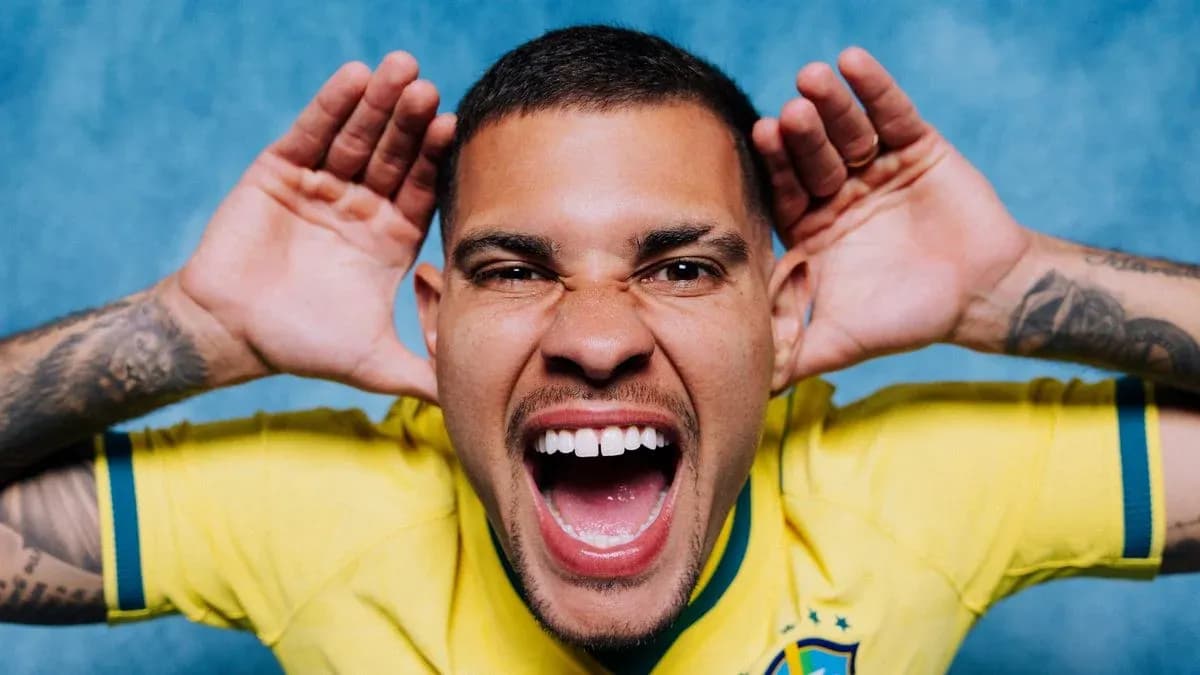
Bruno Guimaraes knows all about waiting.
Six and a half years ago, he sat in Curitiba, phone glued to his hand, nights blurring into early mornings. He had just bossed the midfield for Athletico Paranaense, lifted trophies, and said what he thought was a final, tearful goodbye to the Furacão crowd after a 1-0 win over Santos. His bags were mentally packed for Madrid. Atletico were supposed to be his future.
A £26million deal was being pieced together. Christmas came and went. The January window opened. Silence.
Atletico hesitated. Benfica stepped forward with an offer. Then Athletico president Mario Celso Petraglia revealed a new name at the table: Arsenal.
Edu, Arsenal’s technical director, had been tracking Guimaraes’ rise, studying his explosive performances and his role in four trophies, including the Copa do Brasil and Copa Sudamericana. Arsenal made a direct move to his camp, sensing an opportunity to land a midfielder with bite, vision and swagger.
But intent is one thing. Money is another.
Arsenal’s finances were tight. As they weighed their options, Lyon moved decisively. At the heart of their pitch stood a Brazilian legend: Juninho Pernambucano.
Juninho didn’t just sell a project; he sold a dream. Sign for Lyon, he told the hungry 22-year-old, and you can become one of the best midfielders in world football. This wasn’t just any voice in his ear. Juninho had won titles with Vasco da Gama before conquering Lyon, and he was one of Guimaraes’ idols growing up.
For a boy from Rio, that mattered.
Guimaraes, a devoted Vasco supporter who was still attending their games as recently as July 26 — he watched a 1-1 draw with Mirassol that day — listened. The pull of Juninho, the promise of Europe, the feeling of being truly wanted: Lyon had everything lined up.
A £17.1m agreement followed. When Guimaraes signed his long-term contract in France, he made a point of underlining who had really been there for him. Asked about Atletico Madrid, he didn’t bother to hide his frustration.
“Nobody called me,” he said.
The club that once led the race had drifted away and would soon realise what they had walked past.
Two years later, Guimaraes’ career had rocketed to another level. His Newcastle medical took place back in Brazil while he was away with the national team, a neat snapshot of his rising stature. He was no longer a prospect. He was a prize.
Arsenal circled again, sensing a second chance. But this time they were outgunned. Newcastle, fuelled by fresh investment, could go where Arsenal could not, particularly after the Gunners had already committed heavily to Martin Odegaard and Albert Sambi Lokonga the previous summer.
Arsenal stepped back. Newcastle stepped in.
The cost of that hesitation came swiftly. A few months later, Guimaraes scored and dominated in a 2-0 win for Newcastle over Arsenal, a result that saw Mikel Arteta’s side lose their grip on Champions League qualification with one game left. The Brazilian didn’t just beat them. He tormented them.
Since then, he has relished those battles. No Premier League opponent has felt his presence more than Arsenal. He has won 71 duels against his new club, more than against any other side in the division. He has been the irritant, the disruptor, the man in the middle who refused to let them settle.
Now he’s theirs.
Guimaraes’ career choices have always followed a simple rule: he goes where he feels wanted. That instinct was forged in rejection on the hard courts and dusty pitches of Rio de Janeiro.
He adored futsal but couldn’t make the cut at Fluminense or Botafogo. The door kept closing. His father, Dick, refused to let that be the end of the story. Every weekend, he would drive 269 miles from Rio to Osasco to watch his son play for Audax in São Paulo, a punishing round trip that became their routine.
The car rides came with lessons. If Bruno lost, dinner was a ham and cheese sandwich with juice. If he won, he could eat whatever he wanted. Reward and consequence, written in food. Those journeys, those small rituals, stayed with him. They are literally part of him now, inked across his back as a permanent reminder of where he came from and who got him there.
One detail from those days will be impossible to miss in north London. The No.39 shirt he is set to wear for Arsenal is not a random squad number. It was the number of his dad’s Rio taxi, the same cab that ferried him to youth matches, the same vehicle that carried the family’s hopes up and down Brazil’s roads.
At Arsenal’s academy, Louie Copley had been wearing 39 in training and matches in recent weeks. The youngster, who suffered a serious knee injury against Real Betis in midweek, now appears on the club’s website as No.38. A small administrative tweak on paper, but a significant one in meaning. The path is clear for Guimaraes to claim the shirt that means so much to him.
Arsenal have already watched this story from the wrong side twice. They saw Lyon pounce when their finances faltered. They watched Newcastle close the deal when they couldn’t quite stretch. Each time, Guimaraes grew stronger, more complete, more expensive.
Arteta wasn’t about to let the trilogy end the same way.
Negotiations dragged. The saga grew tiresome. Every twist was picked apart and replayed. Yet beneath the noise, the direction felt set. Arsenal had the need, Guimaraes had the admiration for the club, and the money, this time, was on the table: £75million for a midfielder they had chased in different guises for years.
Third time, they finally got it right.
Bruno Guimaraes is an Arsenal player now. The kid who once waited by the phone in Curitiba walks into north London as one of the Premier League’s most coveted midfielders, wearing his father’s taxi number on his back and carrying a history of near-misses with his new club.
The question is no longer whether Arsenal truly wanted him. It’s how far they can go now that they finally have him.
Related News
Carlos Alcaraz Urges an End to Matches Ending in the Early Hours
Carlos Alcaraz Criticizes Late US Open Finish After 3:30 a.m. Match
Jannik Sinner Set for ATP 500 Return in Beijing with Novak Djokovic Also Competing
Meet Iva Jovic: The American Tennis Prospect Making Waves
Flavio Cobolli Shares Insights on Practice Session with Jannik Sinner Ahead of Comeback

Till vs Romero: Fight Details, Undercard, and Viewing Info for This Weekend