
Carolina Core's Comeback Victory Over Chicago Fire II
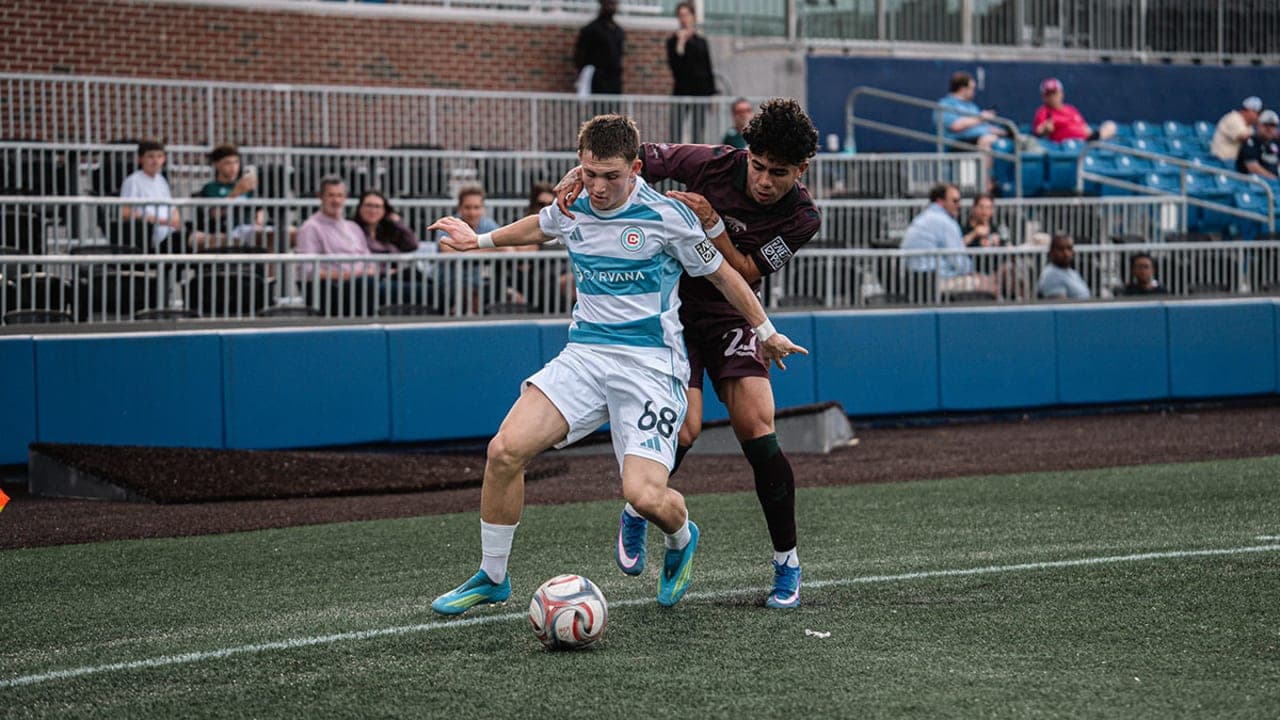
Under the lights at Truist Point, Carolina Core’s season finally found a defiant storyline. In an MLS Next Pro Group Stage clash that had all the hallmarks of another uphill night for the hosts, Donovan Ricketts’ side overturned a 0-1 half-time deficit to beat Chicago Fire II 2-1, reshaping not just the scoreline but the emotional temperature of their campaign.
Season Overview
Heading into this game, the table painted a stark contrast. Carolina sat 7th in the Central Division and 15th in the Eastern Conference, with just 8 points from 10 matches and a goal difference of -8 overall. Their season-long profile was brutal: only 2 wins in total, no draws, and 8 losses. At home, though, there was at least a flicker of identity – 2 wins from 5, with 9 home goals scored at an average of 1.8 per match, even as they conceded 10 at an average of 2.0. Carolina were chaotic, fragile, but never dull.
Chicago Fire II arrived as the more stable outfit on paper. They were 6th in the Central Division and 11th in the Eastern Conference with 13 points from 10 games, having won 5 and lost 5 overall. On their travels they had taken 2 wins from 5 away matches, scoring 6 goals at an average of 1.2 and conceding 7 at 1.4. Their campaign had swung in streaks – a three-game winning run followed by a three-game losing slide – but their overall structure suggested a team more comfortable in tight margins than Carolina.
First Half
That contrast was visible in the opening half. Chicago Fire II, without a named coach in the data but clearly drilled, leaned on a compact spine built around J. Nemo in goal, the defensive pairing of D. Nigg and C. Cupps, and the work of C. Nagle and O. Pineda in midfield. They controlled tempo early, and the half-time scoreline of 1-0 to the visitors reflected a side that trusted its defensive averages: 1.6 goals conceded per match overall, with a modest 1.4 on their travels.
Carolina, by contrast, began as they have lived this season – on the edge. N. Holliday in goal was again asked to anchor a back line that has conceded 23 goals overall at an average of 2.3 per match. The defensive unit of N. Martinez, S. Yepes Valle, M. Diakite and J. Caiza has lived under siege for weeks; heading into this match, Carolina had yet to keep a single clean sheet at home or away. Their vulnerability is systemic, not incidental.
Second Half
Yet the squad Ricketts sent out has always carried attacking menace. With M. Zerkane and T. Zeegers offering craft and progression from midfield, and the front trio of A. Sumo, A. Tattevin and T. Raimbault providing vertical threat, Carolina’s season-long numbers at home – 9 goals in 5 matches – made them one of the more dangerous but unreliable hosts in the division. That duality framed the second half.
The tactical voids in this fixture were more structural than personnel-driven. There were no listed absences, but Carolina’s disciplinary profile has hung over their season like a storm cloud. Heading into this game, they had not received a red card early in matches, but an extraordinary 100.00% of their reds had arrived in the 46-60 minute window. Their yellow-card spread was wide, with notable spikes between 46-60 minutes (21.88%) and 76-90 minutes (18.75%). In other words: Carolina’s most aggressive phases often overlap with the period where games are decided.
Chicago Fire II, by contrast, showed a more controlled aggression. Their yellow cards peaked between 46-60 minutes at 29.41%, with significant late-game presence between 61-75 and 76-90 minutes (both 23.53%). They manage to play on the edge without tipping over it; no reds at any point in the season to date.
Match Outcome
In the “Hunter vs Shield” matchup, the narrative turned. On their travels, Chicago Fire II had averaged 1.2 goals scored and 1.4 conceded, a profile of a team that usually finds the net and keeps games close. Carolina, at home, averaged 1.8 goals scored but 2.0 conceded. The expectation was that Chicago’s defensive structure would be enough to exploit Carolina’s porous back line and protect their early lead.
Instead, Carolina’s attacking “hunter” broke through Chicago’s “shield” after the interval. With Zerkane and Zeegers threading passes and Sumo, Tattevin and Raimbault stretching the Fire II back line of Nigg, Cupps, H. Berg and E. Chavez, the hosts found the two goals they needed. The 2-1 full-time score flipped the script on both teams’ season-long tendencies: Carolina finally turned their home attacking volume into a comeback win; Chicago, usually comfortable in narrow matches, were outmaneuvered.
Engine Room Battle
The “Engine Room” battle was equally decisive. For Carolina, the trio of Zerkane, Zeegers and R. Aguirre had to balance ball progression with defensive cover in front of a shaky back four. Chicago’s midfield of Nagle, O. Pineda and D. Hyte sought to suffocate transitions and feed R. Turdean, V. Glyut and D. Boltz. Over 90 minutes, Carolina’s willingness to play through pressure – even at the risk of turnovers – gradually tilted the pitch in their favor.
From a statistical prognosis standpoint, this result is a mild outlier but not an impossibility. Chicago’s overall goal difference of -4 (11 scored, 15 conceded) already hinted that their 5 wins from 10 were built on fine margins rather than dominance. Carolina’s overall goal difference of -10 (13 scored, 23 conceded) reflected defensive frailty but also a side that can score in bursts, especially at home.
Following this result, the deeper story is about volatility. Carolina remain a team whose xG profile would likely show high-variance football: they create, they concede, and they live in chaos. Chicago Fire II still look like a mid-table side with a narrow positive attacking edge and a slightly leaky defense, but their inability to close out a game they led at half-time will concern their staff.
As a squad analysis, the takeaway is clear. Carolina Core’s identity is now firmly tied to the attacking bravery of Sumo, Tattevin, Raimbault and the creative axis of Zerkane and Zeegers, backed by a back line that will always give opponents hope. Chicago Fire II’s spine – Nemo, Nigg, Cupps, Nagle, O. Pineda – remains solid enough to keep them competitive, but their shield cracked under sustained pressure in High Point.
This 2-1 at Truist Point does not rewrite the season’s numbers, but it reframes the narrative: Carolina are no longer just a struggling side with bad defensive metrics; they are a dangerous, high-risk outfit capable of dragging better-placed teams into a fight and winning it.
Related News

MLS Winners and Losers: Cavan Sullivan’s USMNT Rise, St. Louis City SC’s Smart Moves, and Chicago Fire’s Hugo Cuypers Gap

MLS Winners and Losers: Portland Timbers' Historic Hat-Trick, Josh Sargent Shines, and Cavan Sullivan's Rising Star
Tacoma Defiance Injury List: Players Out and Return Dates vs Colorado Rapids II
Carolina Core injury list: Players out, potential return dates
Tacoma Defiance vs Colorado Rapids II Predicted Lineups and Team News
Orlando City II vs Huntsville City Predicted Lineups and Team News