
Cavalry FC vs Atlético Ottawa: Clash of Canadian Premier League Leaders
Under the lights at TD Place Stadium, this Group Stage clash in the Canadian Premier League brought together two sides whose seasons have been shaped in very different ways. Atlético Ottawa, third in the table with 40 points and a goal difference of −3, have lived on a knife edge: productive in attack overall with 38 goals in 25 matches but porous at the back with 41 conceded. Cavalry FC arrived as league leaders, first with 53 points and a formidable goal difference of +34, built on the division’s most ruthless attack and its tightest defence: 50 goals scored and only 16 conceded over 24 games.
Both coaches leaned into their identities by naming matching 4-2-3-1 shapes. Gustavo Leal’s Ottawa XI was anchored by C. Kalongo in goal, with a youthful but card-prone back line including Sergei Kozlovskiy and Joaquim Coulanges. Ahead of them, Manuel Aparicio and D. Gutiérrez formed the double pivot, while the attacking band of three – Emiliano García, Ballou Tabla and Kamron Habibullah – operated behind lone striker Nicolas Fleuriau Chateau.
Tommy Wheeldon Jr. mirrored the structure for Cavalry. N. Ingham stood behind a back four of Adam Pearlman, Daan Klomp, Amer Didic and B. Kamdem. In midfield, Harrison Paton and Eryk Kobza patrolled the base, freeing an aggressive trio of Nathaniel Edwards, Tobias Warschewski and Goteh Ntignee to support centre-forward Ali Musse.
The tactical backdrop to this contest was stark. Heading into this game, Ottawa’s home record was their lifeline: 8 wins, 3 draws and only 2 defeats from 13 matches at TD Place, with 24 goals scored and 17 conceded. On their travels, Cavalry were almost as intimidating as at home, with 7 away wins, 2 draws and 3 defeats, scoring 20 and conceding just 9. Overall, Cavalry’s balance was extraordinary: 50 goals for and 16 against, a goal difference of +34 that dwarfed Ottawa’s −3 (38 for, 41 against).
Within that frame, the lineups told a story of strengths and vulnerabilities. For Ottawa, the creative and scoring burden again fell on Tabla, the league’s leading scorer for his club with 9 goals and 2 assists in 25 appearances. His profile this season – 43 shots, 21 on target, 27 key passes and 48 dribble attempts – underpins Ottawa’s desire to break lines in transition. Alongside him, García has chipped in with 4 goals and 16 key passes, while Habibullah’s 3 assists and 88% pass accuracy in limited minutes hint at a subtle playmaker capable of threading the final ball.
Up front, Fleuriau Chateau has been one of the league’s most efficient finishers: 5 goals and 2 assists in only 923 minutes, with 28 shots and 12 on target. His movement between centre-backs and his willingness to press from the front are crucial in making Leal’s 4-2-3-1 more than just a defensive shell.
Yet Ottawa’s structure is permanently shadowed by its disciplinary edge. Team-wide, their yellow card profile is heavily back-loaded: 33.33% of their bookings arrive between 76-90 minutes, with another 16.67% in added time up to 105 minutes. That late-game surge in cautions often coincides with tired legs and desperate defending. Individually, Kozlovskiy’s 7 yellows in just 13 appearances and Aparicio’s 6 bookings underline how often Ottawa’s spine plays on the limit. The red card shown to Gabriel Antinoro earlier in the campaign is another reminder that this is a side that can tilt from combative to reckless.
Cavalry’s squad, by contrast, marries aggression with control. In the engine room, Paton and Kobza are among the league’s most combative midfielders. Paton has 9 yellow cards and 29 fouls committed in 21 appearances, while Kobza has 7 yellows and one dismissal across 22 games, yet both maintain pass accuracy above 83%. Their job here was clear: disrupt Ottawa’s creative trio and prevent Tabla from turning between the lines.
Behind them, Klomp and Didic form arguably the league’s premier defensive partnership. Klomp’s season – 4 goals, 1 assist, 900 completed passes at 89% accuracy and 7 blocked shots – shows a defender who not only organises the back line but also initiates Cavalry’s build-up. Didic mirrors that profile with 872 passes at 89% accuracy, 18 tackles and 6 blocks, plus 3 assists. Together, they are the “shield” that Ottawa’s “hunters” must solve.
Further forward, Cavalry’s attacking trident is laced with end product. Warschewski, with 7 goals and 3 assists, has been one of the league’s most complete forwards: 40 shots, 21 on target, 38 key passes and 51 dribble attempts. His ability to drift between half-spaces and combine with Musse and Ntignee makes him the natural “hunter” in this matchup, testing an Ottawa defence that concedes 1.6 goals per game overall and 2.0 on their travels, even if they are slightly tighter at home at 1.3 conceded per match.
Musse brings 3 goals and 4 assists, with 22 key passes, while Ntignee adds 2 goals, 3 assists and 45 dribble attempts, underlining Cavalry’s capacity to overload flanks and isolate full-backs one-on-one. Their creativity is reinforced by Pearlman, who quietly contributes 3 assists from right-back, with 20 key passes and 36 tackles won.
The penalty area narratives are equally telling. Ottawa’s season from the spot has been fragile: 4 penalties taken, 2 scored and 2 missed, a 50.00% conversion rate that injects doubt whenever they step up. Cavalry, by contrast, are perfect from 12 yards, scoring all 4 of their penalties. In a tight, high-stakes game between a strong home side and the league leaders, that edge from the spot can tilt the balance.
From a statistical prognosis, Cavalry’s overall attacking and defensive metrics make them the more reliable proposition. Their total scoring rate of 2.1 goals per match, combined with only 0.7 conceded, suggests they can both create and control. Ottawa, however, are a different animal at TD Place, averaging 1.8 goals scored and conceding only 1.3 at home, with 8 wins from 13.
This match thus becomes a clash of structural authority against emotional momentum. Ottawa’s aggressive, card-heavy edge and individual brilliance from Tabla and Fleuriau Chateau can destabilise even Cavalry’s elite back line. Yet over 90 minutes, the depth of Cavalry’s spine – Klomp and Didic behind Paton and Kobza, feeding Warschewski, Musse and Ntignee – combined with their perfect penalty record and superior defensive solidity, makes the league leaders slight favourites to emerge from Ottawa with a result, even if they must suffer more than they are accustomed to in the capital.
Related News
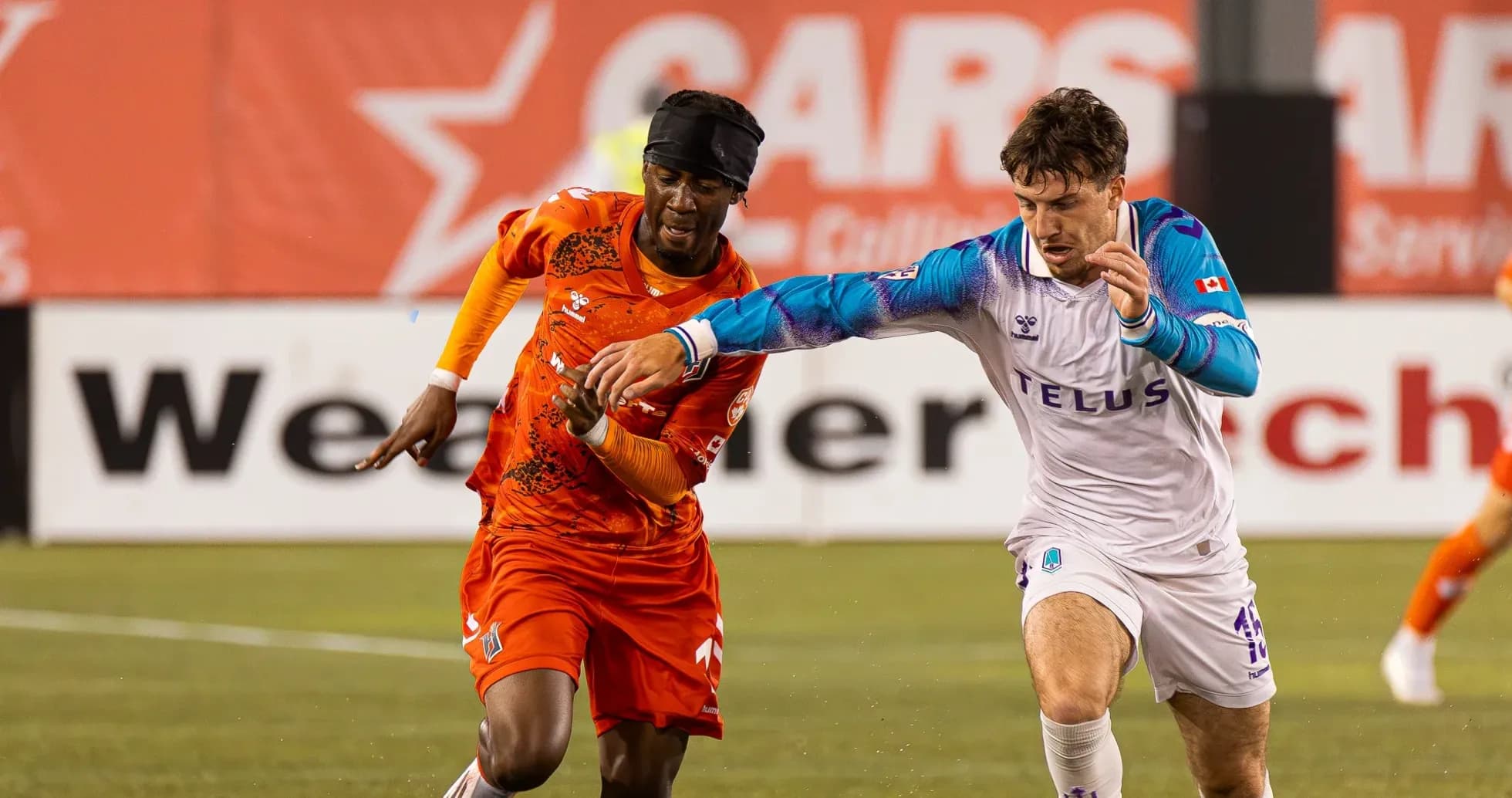
Forge vs Pacific FC Stats: Head-to-head Record Before October 2026 Match
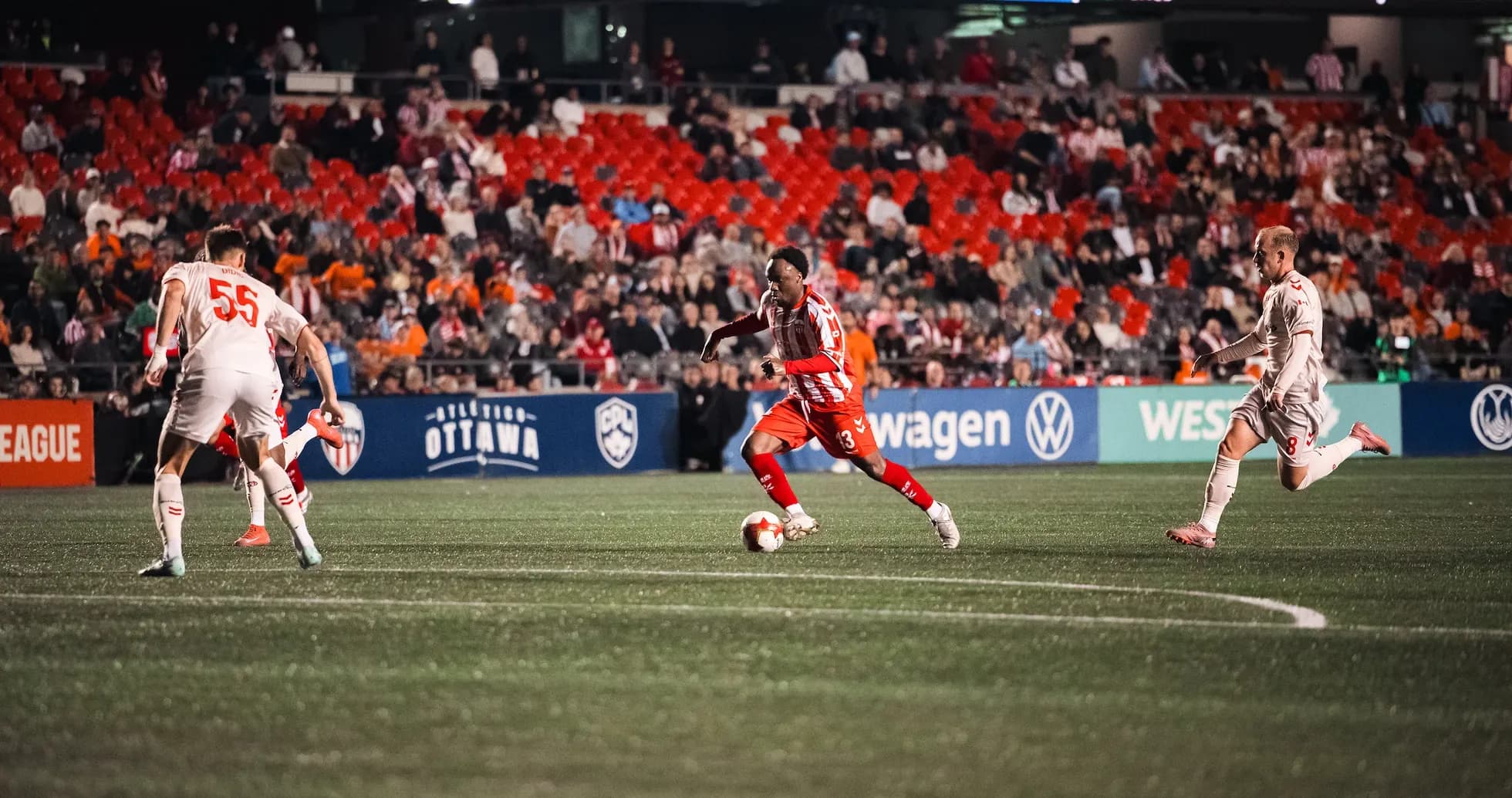
Cavalry FC vs Atlético Ottawa: Clash of Canadian Premier League Leaders
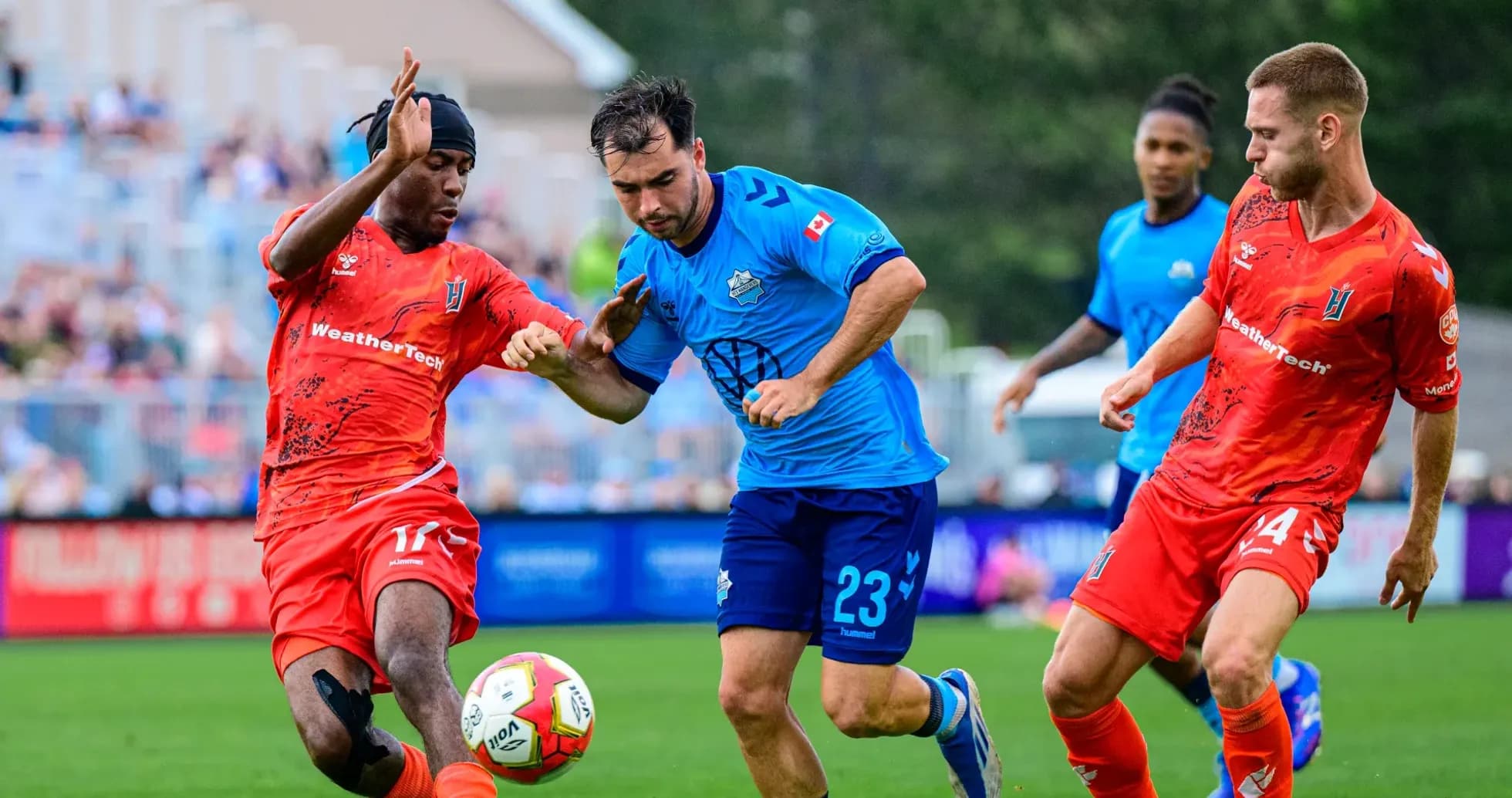
Forge vs HFX Wanderers FC: Canadian Premier League Showdown
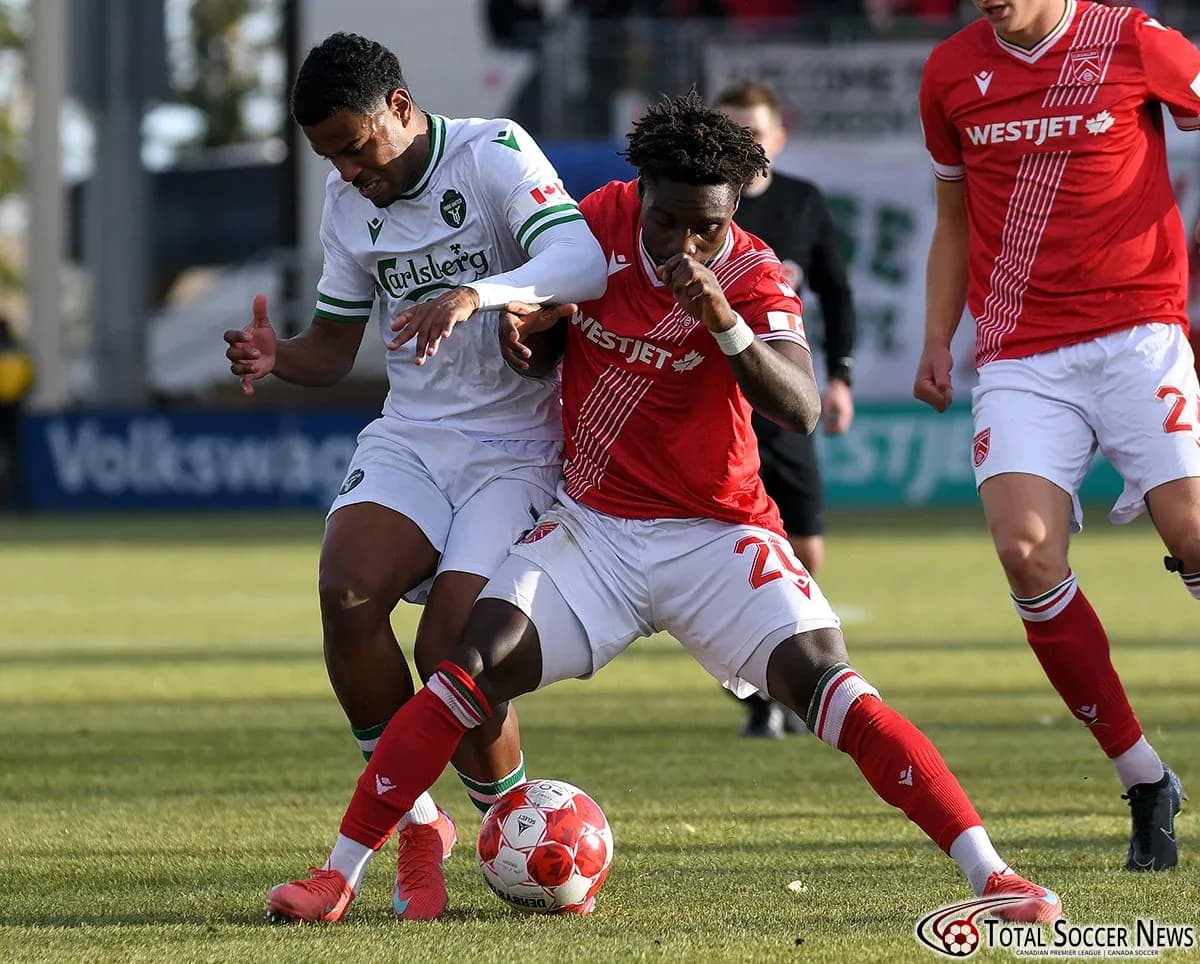
York United vs Cavalry FC: A Battle for Survival
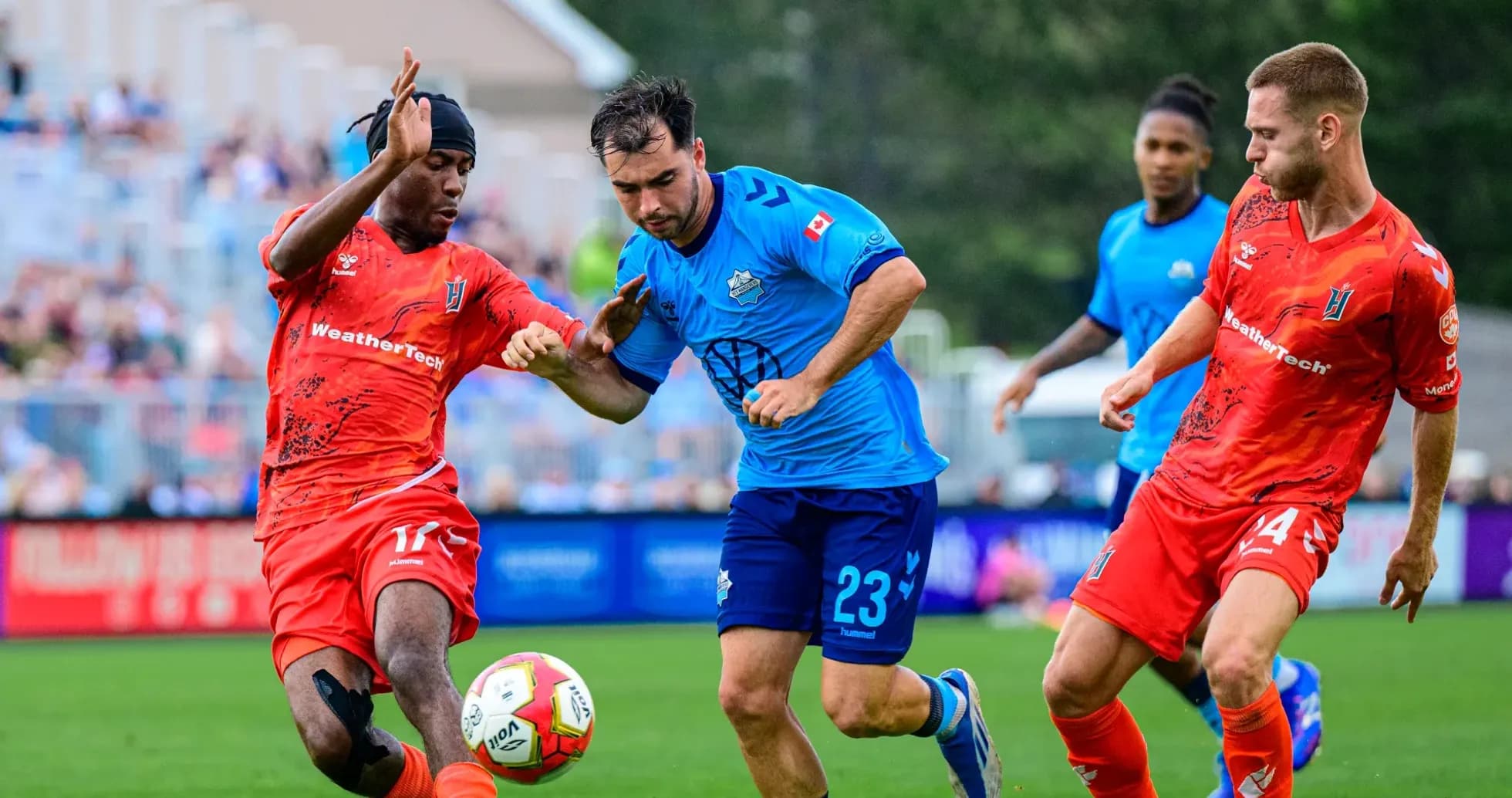
Forge vs HFX Wanderers FC Predicted Lineups and Team News
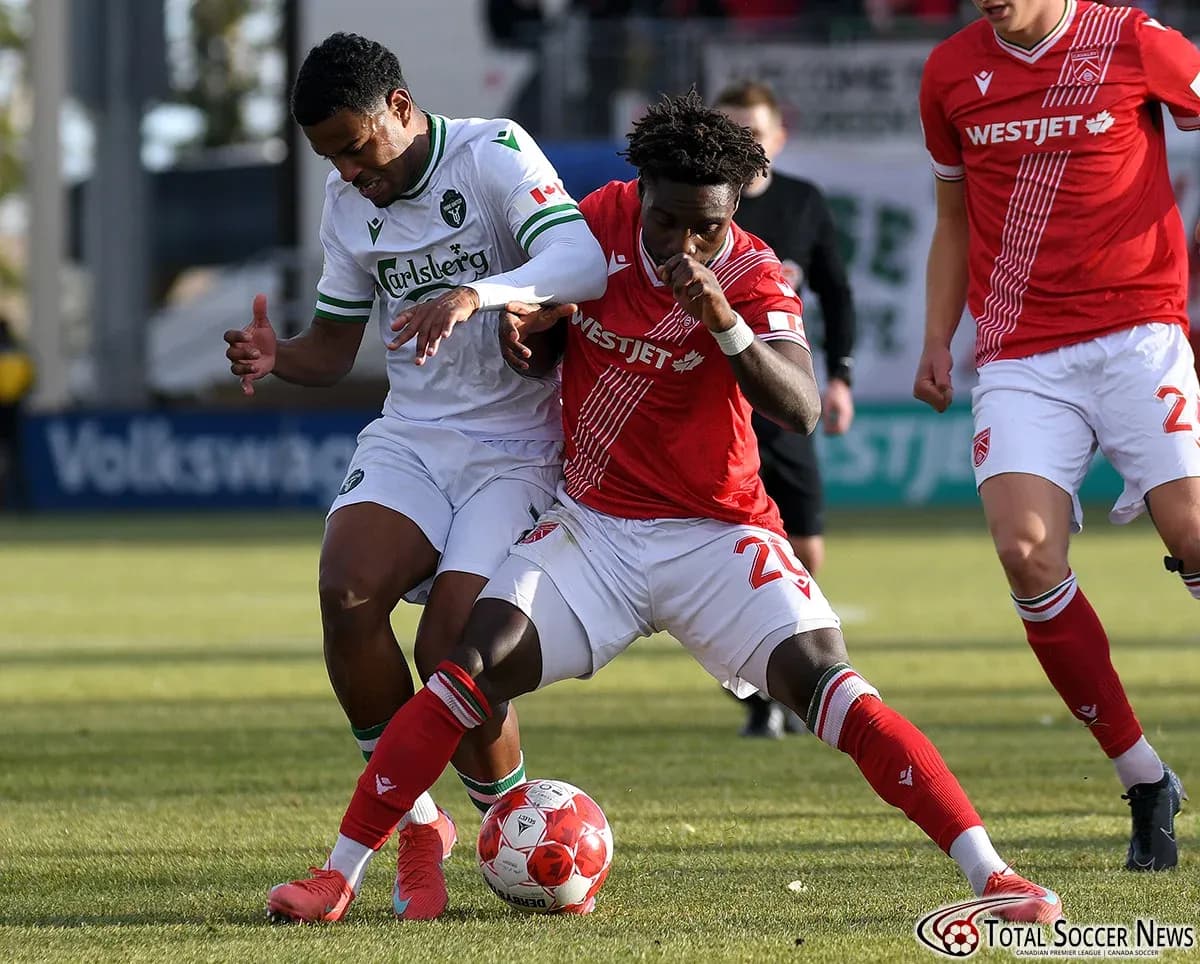
York United vs Cavalry FC Predicted Lineups and Team News