
Chelsea's Squad Dilemma: A Decade of Stockpiling Talent

Chelsea 1-0 AC Milan at HT in Jakarta, and as the players drift back out for the second half, one story stretches well beyond this friendly: the sheer size of Chelsea’s squad and the model that created it.
Luka Modric, who dictated much of Milan’s first-half rhythm, is wrapped in a bib on the bench, his night seemingly over. Chelsea, by contrast, can keep rolling out fresh faces. That’s the point. They have more players than they can realistically use, and that is not an accident of one summer. It’s a decade-long strategy that has been sharpened, not softened, under the club’s new regime.
A decade of stockpiling, supercharged
The stockpiling began under Roman Abramovich. Chelsea hoarded talent, loaned it out across Europe, and occasionally struck gold when a loanee returned ready-made or was sold for a hefty profit.
When Todd Boehly and Clearlake Capital took control in 2022, they didn’t rip up that idea. They retooled it. The focus shifted decisively towards younger players on lower wages, assets that can be moved in and out of the club with more flexibility and, crucially, more resale value.
The numbers are staggering. Since BlueCo took over four years ago, Chelsea have spent around £1.8bn on players, more than any other club in Europe over that span. It has been a relentless churn of arrivals, a conveyor belt of potential.
But this is not just reckless spending. The other side of the balance sheet matters. Across the same period, Chelsea have brought in nearly £1bn in player sales. Last season alone, they posted a Premier League record £300m in outgoing transfers, again the highest figure in Europe. They buy big, but they also sell big.
This is not the financial profile of a club sitting comfortably at the top of the revenue table. Far from it.
Big club, smaller income
Among the Premier League’s traditional ‘big six’, Chelsea now operate with the lowest revenues. Stamford Bridge, for all its history and noise, is small by modern super-club standards. Matchday income lags behind rivals with bigger, more modern arenas.
Commercially, the club has underperformed. The long-running kit deal with Adidas has failed to keep pace with the explosive growth seen at other giants. A front-of-shirt sponsor has been conspicuous by its absence. Add to that the heavy blow of missing out on Champions League football in three of the last four seasons, and the gap to the European elite widens.
So Chelsea lean into player trading. Not as a side hustle, but as a core part of the business model. In that respect, they resemble Brighton, Brentford or Bournemouth, clubs that have turned smart trading into survival and progress.
The difference? Chelsea’s ambitions are far loftier. They are not building to stay in the league. They are building to win trophies and to get back into the Champions League every year. That tension between aspiration and financial reality is what drives the current squad chaos.
Alonso inherits a 41-man puzzle
Xabi Alonso walks into this maelstrom with clarity: this squad is far too big. Chelsea currently have 41 senior players on their books and just 25 days left in the transfer window to sort it out.
There is no European football this season. No midweek fixtures to soak up minutes or justify a bloated group. Training pitches can only hold so many egos and ambitions. Alonso knows that leaving players repeatedly out of matchday plans corrodes morale, no matter how professional the dressing room.
Technically, Chelsea can register as many players as they like. The Premier League’s 25-man squad rule is softened by under-21 and homegrown exemptions, which cover a large portion of their roster. But that’s a paperwork detail. The human reality is different. Players who never get near the pitch become frustrated, cliques form, and the manager’s authority is tested.
To bring the squad down to a manageable 25 senior players, Chelsea must move on 16 before the start of September. Sixteen careers redirected in less than a month. Some on permanent deals, some on loan, all of it needing to align with the market, the players’ wishes, and the club’s long-term plan.
The days of the ‘bomb squad’ are over. Last season, Raheem Sterling and Axel Disasi found themselves in that kind of limbo group, training away from the core. That approach has now been outlawed by Fifa, forcing clubs to treat all contracted players with greater parity.
So Chelsea must cut, not quarantine. They have to sell or loan, not sideline.
As the second half kicks off in Jakarta and Modric watches on, Chelsea send out yet another wave of fresh legs. It looks like depth. It feels like power. But for Alonso and the hierarchy above him, the real test over the next few weeks is not how many players they can field in a friendly – it’s how ruthlessly, and how intelligently, they can trim this vast, expensive squad into something that can actually win.
Related News

Carlos Alcaraz Urges an End to Matches Ending in the Early Hours

Carlos Alcaraz Criticizes Late US Open Finish After 3:30 a.m. Match
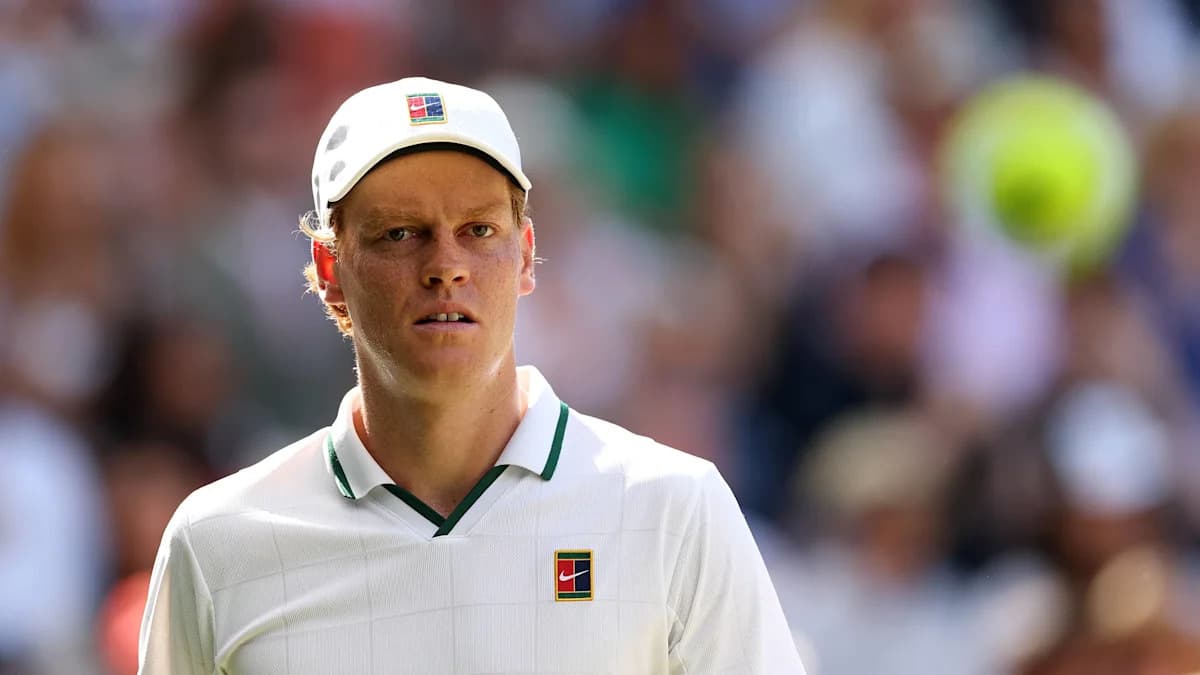
Jannik Sinner Set for ATP 500 Return in Beijing with Novak Djokovic Also Competing

Meet Iva Jovic: The American Tennis Prospect Making Waves

Flavio Cobolli Shares Insights on Practice Session with Jannik Sinner Ahead of Comeback

Till vs Romero: Fight Details, Undercard, and Viewing Info for This Weekend