
Craig Gordon’s Inspiring Journey to World Cup Farewell
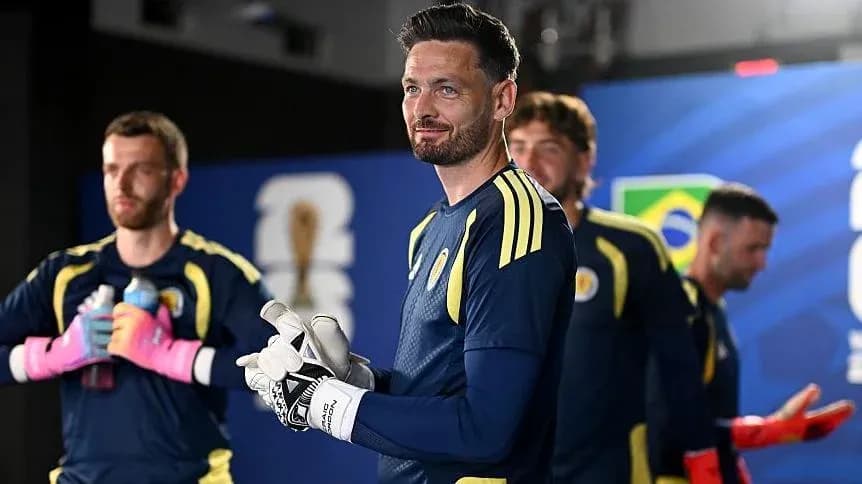
Craig Gordon’s career was never meant to end quietly. Not after what his body has been through. Not after that double leg break at 39, the kind of injury that usually writes the final line for a professional footballer.
Instead, he dragged himself back to play at a World Cup for Scotland this summer, and only now, at 41, has the former Celtic, Hearts and Sunderland goalkeeper decided to call time on a remarkable journey.
On the BBC’s Scottish Football Podcast, ex-striker Rory Loy – a man who knows the pain of that injury himself – didn’t bother dressing it up.
“It was incredible,” he said, and there was no exaggeration in it.
Loy suffered the same break in his early twenties. That matters. At 20 or 23, the body still feels elastic, the mind still believes it’s indestructible. You throw yourself into rehab because there’s a whole career to salvage.
Gordon didn’t have that luxury. His leg snapped in his late thirties. At that age, most players are already negotiating with their own limits, not a surgeon.
“To do it at his age, in his late 30s and still manage to come back from it,” Loy said, “trust me, I know how difficult it is to come back from that injury, psychologically as well as physically.”
He wasn’t speaking in clichés. With this type of break, the shin bone doesn’t just crack; it goes. It “just snaps basically,” as Loy put it. From there, it’s not simply a case of waiting for it to knit together. Once the bone heals, everything else feels different. The body’s map has been redrawn.
Your biomechanics change. The way you walk. The way you run. The way you dive, twist, plant your foot. Movements that were once instinctive suddenly feel foreign.
Loy needed orthotics in his boots just to function, an artificial correction to a new, reluctant gait. That’s the reality behind the comeback headlines: not just gym sessions and grimaces, but relearning how to move, layer upon layer of adjustment.
Gordon went through all of that at an age when most keepers are thinking about coaching badges or media work. He chose the hard road back to the top level, then pushed on again until he was standing in goal for his country at a World Cup, closing the circle of an international career that had already seemed to have had its second act.
“For him to go through that type of thing at the age he was at and still have the motivation to come back and play football just sums up the type of mindset he had,” Loy said.
That mindset carried him through the darkest days of rehab and back into stadiums where every decision, every step, is exposed. And once he got there, he didn’t just make up the numbers.
Away from the story of metal, scars and recovery schedules, there was still the goalkeeper: the shot-stopper with the long reach and the sharp reflexes, the man whose saves for club and country repeatedly bailed out those in front of him.
“The level of goalkeeping and saves he had was incredible,” Loy added.
In the end, that’s how Craig Gordon will be remembered: not just as the veteran who refused to accept that a shattered leg would end him, but as the keeper who came back from it to stand on the biggest stage in the game in a Scotland shirt, and walked away on his own terms.
Related News
UFC 332 Preview: Natalia Silva vs. Wang Cong Fight Card, Odds, Start Time, and Details
Andy Roddick Responds to Andre Agassi’s Comments on Alexander Zverev at the Laver Cup
Knicks Prepare for Flexible Roles in Title Defense
Rui Hachimura Swaps Lakers Fans to Clippers in Surprising Jersey Exchange

Who Will Be the NBA's Next First-Time All-Stars? Top Picks and Long Shots for 2027
How Strong Is Your Team at Home? Check Out the 2026 Brasileirão Home Standings