
Defoe’s Management Stint at Woking Ends in Controversy
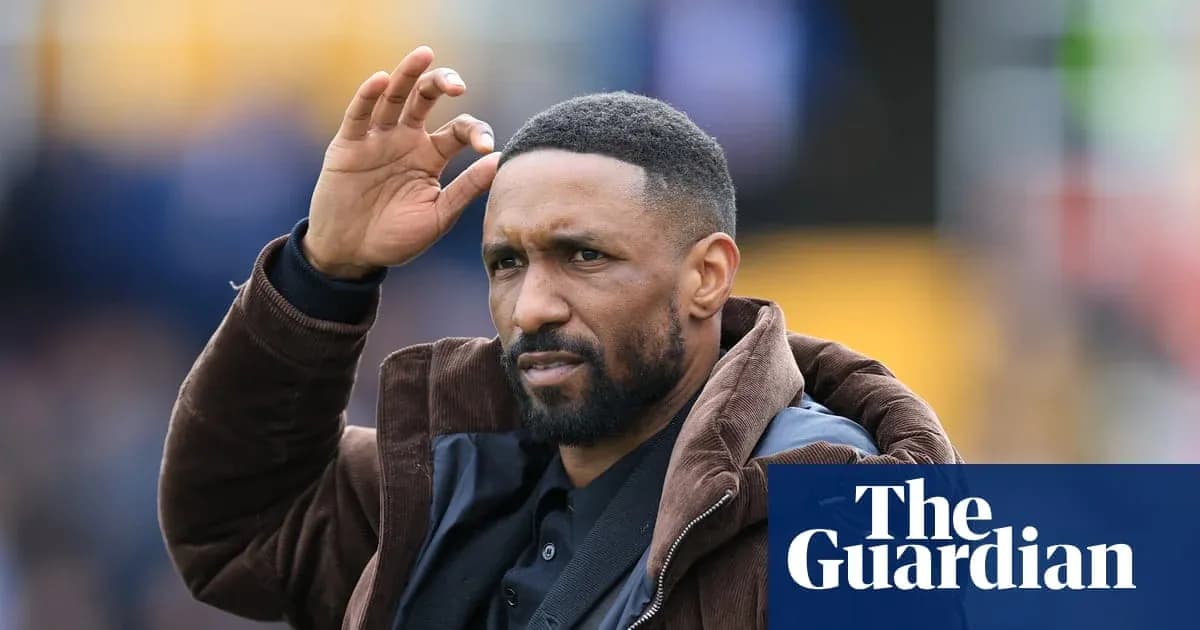
Jermain Defoe’s first step into management has ended not with a quiet handshake, but with a public rupture and pointed accusations from inside Woking.
Two days after the former England striker said it had become “impossible for me to continue” at the National League club, Woking’s director of football, Jody Brown, has laid out a starkly different version of events, citing “growing concerns” across the club and claiming Defoe failed to attend training.
Defoe, 43, lasted just four months in his debut managerial role. His record on the touchline was modest but hardly disastrous: two wins and one defeat from six matches. The numbers, though, barely scratch the surface of what was unfolding behind the scenes.
The parting of ways was announced on Thursday as a mutual termination. Defoe spoke of an “eye-opening” spell in Surrey, a phrase that hinted at deeper frustrations without spelling them out. His departure statement carried the tone of a man surprised by the realities of non-league football, and done with them.
Woking’s response has been anything but vague.
“The recommendation to appoint Jermain as manager was mine, and I take full responsibility for it,” Brown said in a club statement on Saturday. “After meeting with him on several occasions, I believed he was the right person to lead the club into an exciting new era.”
That is where the warmth ended.
“However, in recent weeks there had been feedback from across the club, including players, staff and other departments, regarding growing concerns,” Brown continued, lifting the lid on tensions that had clearly been simmering.
According to Brown, attempts to bring clarity only deepened the frustration. He says he asked Defoe and his assistant, Paul Bracewell, for a short report on the state of the squad: depth in each position, recruitment priorities, and any operational issues that might be slowing preparations for the new season. The idea was simple – identify the gaps, then back the manager.
The report never came.
“That report was requested on more than one occasion but was never received,” Brown said, underlining a breakdown in communication at the heart of the project.
For a club operating in the unforgiving margins of the National League, where planning and alignment often matter more than reputation, that omission felt glaring. Defoe’s name carried weight; his methods, at least in Woking’s view, did not match the demands.
Brown’s claim that Defoe failed to turn up for training only sharpens the sense of a relationship that had veered off course. Attendance, structure, detail – these are the non-negotiables in a dressing room that cannot afford chaos.
Defoe’s own words painted a different picture, one of a manager disillusioned by what he found. The club’s statement draws a harder line, framing his exit as the result of internal alarm and unanswered requests at a critical point in pre-season planning.
In the space of four months, Woking moved from heralding a marquee appointment to publicly dissecting why it went wrong. Defoe, who built a playing career on sharp movement and ruthless clarity in front of goal, leaves his first managerial post under a cloud of ambiguity and accusation.
Woking now have to salvage a season’s blueprint without the man they had trusted to lead a “new era”. Defoe has to decide whether this bruising introduction to management is a one-off misstep or an early warning about the realities of life on the touchline.
Related News

UFC 332 Preview: Natalia Silva vs. Wang Cong Fight Card, Odds, Start Time, and Details
Andy Roddick Responds to Andre Agassi’s Comments on Alexander Zverev at the Laver Cup

Knicks Prepare for Flexible Roles in Title Defense

Rui Hachimura Swaps Lakers Fans to Clippers in Surprising Jersey Exchange

Who Will Be the NBA's Next First-Time All-Stars? Top Picks and Long Shots for 2027

How Strong Is Your Team at Home? Check Out the 2026 Brasileirão Home Standings