
Derby County Off the Market as Turki Alalshikh Withdraws
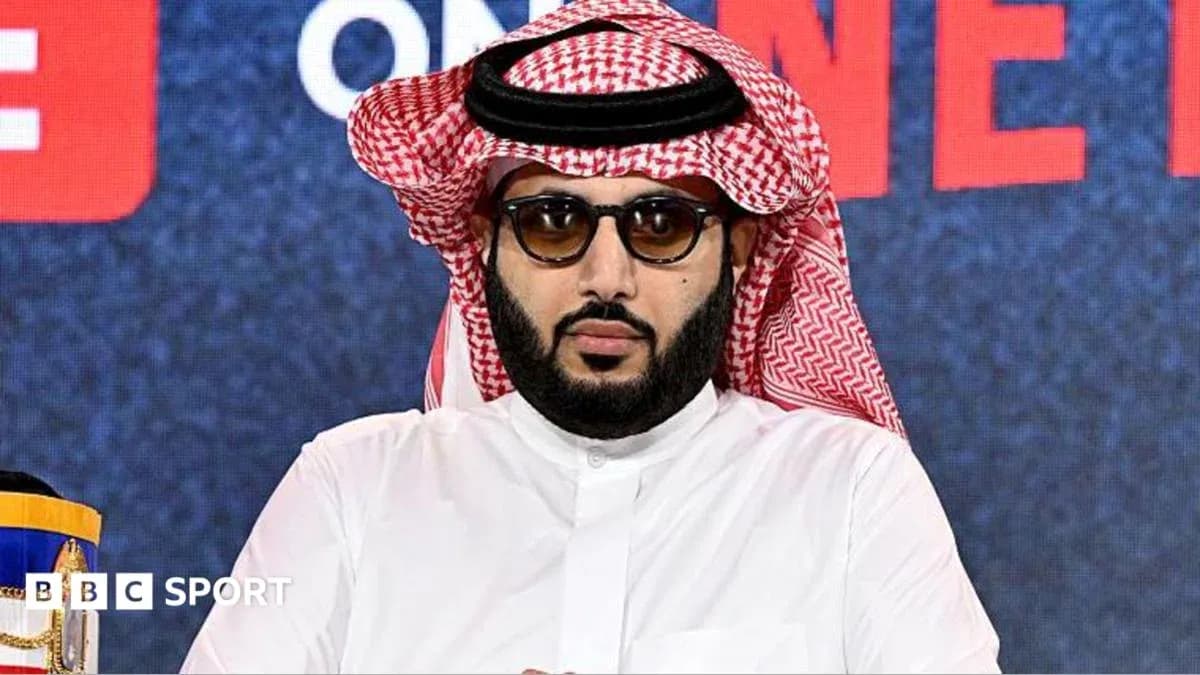
Derby County’s long, uneasy wait for new ownership ended not with a signature, but with a withdrawal.
On Monday, the club were told that Saudi Arabian government official Turki Alalshikh had abandoned his proposed takeover, pulling the plug on a deal that had already cleared the key regulatory hurdles and looked destined to reshape the Championship side’s future.
The move leaves Derby exactly where they started – under the control of Clowes Developments – but with a very different sense of what might have been.
Deal cleared, then collapsed
For weeks, the signs pointed one way. Alalshikh’s company, Lion Sport, had passed through the English Football League (EFL) checks and the scrutiny of the Independent Football Regulator (IFR). The structure was clear: what BBC Radio Derby understands would have been a controlling stake, with Alalshikh stepping in as the dominant force at Pride Park.
Then came the twist.
Derby were informed that Alalshikh no longer wished to proceed. No renegotiation. No revised offer. Just a firm step back from the brink.
The club responded with a decisive line in a short, pointed statement: “For the benefit of any doubt, the club is now off the market. It will continue to operate under the loyal, committed and unwavering support of Clowes Developments.”
A saga that had dragged through the summer ended in a sentence.
Timing kills the move
Alalshikh, a powerful figure in Saudi sport and entertainment, turned to social media to explain his decision. The message was clear: the clock beat the deal.
“We understood that the IFR process takes time and fully respect the importance of that,” he wrote on X. “But unfortunately with the season already started, it would leave us with no time to prepare the team or the club for the season ahead.
“After careful consideration, we don't feel it is right to proceed at this time without the necessary preparation in place, but we will remain in conversation with the club and see what is possible in the future.”
The pressure finally told. What began as a strategic move into English football became, in Alalshikh’s eyes, a race he could no longer win before the campaign truly took shape.
Regulator defends its role
Attention quickly swung to the IFR, the new watchdog created to oversee ownership in the top five divisions of men’s football. If timing was the issue, had the process dragged?
The regulator pushed back.
An IFR spokesperson said the assessment of Alalshikh’s bid had been completed in 55 days – well inside the 90-day window set in law – and that it had already reached a “minded-to decision” to approve the takeover before the start of the 2026-27 season. That stance, they stressed, had been communicated to all parties last week.
The IFR underlined the scale of what it must examine in every case: financial soundness, sufficient resources, the source of wealth, and “honesty and integrity” checks that include criminal proceedings, civil actions and other regulatory investigations.
This was not a rubber stamp. It was a test case for a new era of oversight. And it unfolded under a harsh spotlight.
Human rights pressure and ‘sportswashing’ claims
The proposed deal never existed in a vacuum. From the moment Alalshikh’s interest became public, human rights groups circled.
Amnesty International warned in June that the regulator faced a “defining test” over the investment. The focus was not just on Derby, but on the broader question: who should be allowed to own English clubs, and on what terms?
Alalshikh is chairman of Saudi Arabia’s General Entertainment Authority and a close associate of the Kingdom’s de facto ruler, Mohammed bin Salman. Human rights organisations have repeatedly criticised his role in what they describe as alleged “sportswashing” – the use of high-profile sporting projects to soften global perceptions of Saudi Arabia’s human rights record.
The Kingdom has been accused of using sport to distract from its treatment of women, its use of the death penalty and its anti-LGBT stance. Every major acquisition, every sponsorship, every club link now arrives with that context attached.
Derby, a proud club with deep roots in English football, suddenly found themselves on that frontline.
Alalshikh’s growing football footprint
This would not have been Alalshikh’s first venture into club ownership. He previously owned Egyptian side Pyramids between 2018 and 2019, throwing significant money and attention at the project. More recently, he controlled Spanish club Almeria, before selling it to a Saudi investment group last May.
Away from club football, he is also known as the co-founder of boxing promotion company Zuffa, a reminder of how far his reach extends across the global sports and entertainment landscape.
Derby represented the next step: a historic English club, a passionate fanbase, and a platform in one of the most-watched football pyramids on the planet.
That door is now closed. At least for the moment.
Derby’s future stays local – for now
For Clowes Developments, the message is stability. No auction. No immediate search for another bidder. The club is off the market, and the current owners will carry the responsibility of steering Derby through the Championship grind.
For supporters, the emotions will be mixed. Some will feel relief that the club is not being drawn into the geopolitical storm surrounding Saudi investment in sport. Others will look at the financial muscle that has just walked away and wonder what that might have meant for promotion pushes, transfer windows and long-term ambition.
The regulator has passed one of its early tests. The would-be owner has stepped back. Derby County carry on, unchanged on paper, but altered by the glimpse of what almost arrived.
The season has already started. The question now is whether the club can build a future strong enough that it no longer needs to wait for a saviour at all.
Related News
Carlos Alcaraz Urges an End to Matches Ending in the Early Hours
Carlos Alcaraz Criticizes Late US Open Finish After 3:30 a.m. Match
Jannik Sinner Set for ATP 500 Return in Beijing with Novak Djokovic Also Competing
Meet Iva Jovic: The American Tennis Prospect Making Waves
Flavio Cobolli Shares Insights on Practice Session with Jannik Sinner Ahead of Comeback
Till vs Romero: Fight Details, Undercard, and Viewing Info for This Weekend