
Drought Delays Anglian Combination Season Start
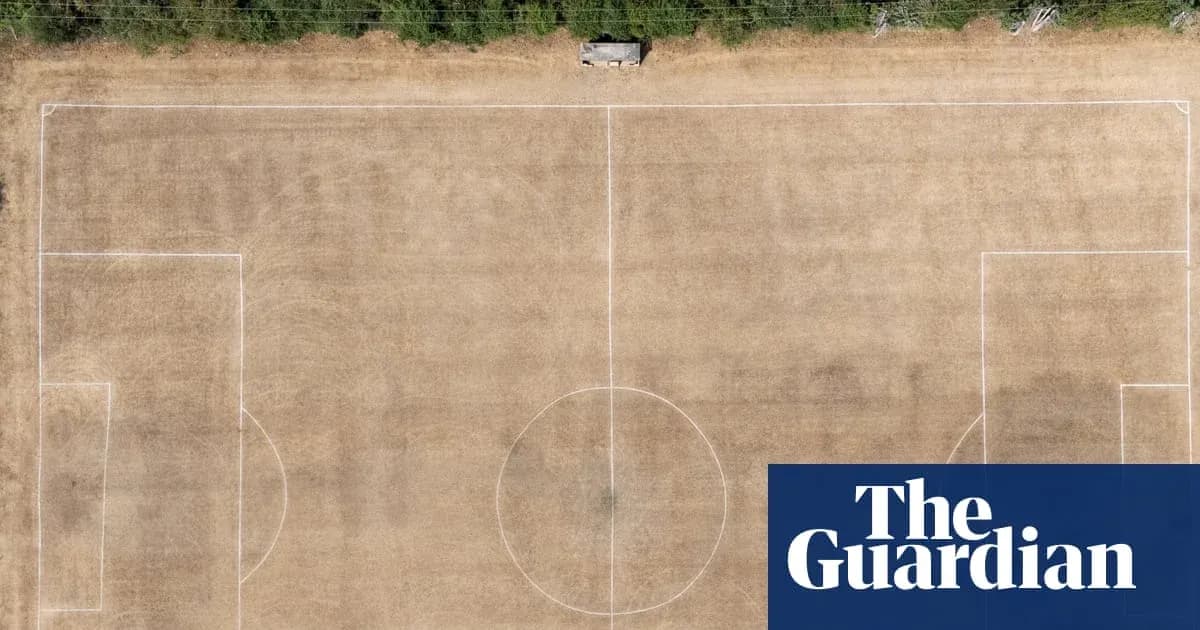
The new season in the Anglian Combination was supposed to start with the usual flurry of fresh kits, trimmed pitches and early-season optimism next weekend. Instead, the footballs are staying in the sheds.
The grass has turned to concrete.
Faced with “rock hard” pitches across Norfolk and Suffolk after a record-breaking summer, the league’s board has taken the rare step of postponing the start of the 2026/27 campaign until 29 August.
After an urgent meeting on Friday, officials from the 85-club amateur league voted unanimously to delay. The decision cuts across every division, every club, every dressing room that had spent weeks gearing up for opening day.
The problem is brutally simple. The pitches are no longer safe.
Pre-season friendlies have already sounded the alarm. A number of warm-up fixtures were cancelled outright because of the drought. Those that did go ahead, the league admits, have produced “many injuries” as players crashed onto unforgiving surfaces that offer no give underfoot.
League chair Dale Brown set out the stark reality in a statement to clubs, players and officials. The league, he said, had acted “to protect the welfare of players, officials and all associated with the match day, in what has been the driest and hottest July since records began in 1836. Most of our league clubs pitches are grass and the ground conditions are extremely dry and pitches rock hard.”
For an amateur competition built on volunteers, match fees and local pride, calling a halt to the season before a ball is kicked is no small move. Brown admitted as much, describing it as “a very difficult decision to reach and one that will not please all clubs.”
But the backdrop is unforgiving. England has staggered through a sequence of record-breaking heatwaves and exceptionally low rainfall that has left large swathes of the country baked and brown. May and June brought record temperatures; July went down as the driest since records began. A drought has already been declared across half of England.
Norfolk and Suffolk sit right in the middle of it. Anglian Water’s hosepipe ban, in place since 11 July, has stripped local groundsmen of one of their last tools to keep pitches playable. Aerial images of the region tell their own story: parks and sports fields scorched and straw-coloured, with green oases largely confined to golf clubs, some sports facilities and private schools benefiting from controversial exemptions from the bans.
This is the landscape the Anglian Combination is trying to play football in.
The Met Office offers little comfort. Another heatwave is forecast next week, with temperatures expected to climb to around 36C in parts of East Anglia and south-east England by Thursday. Humidity may rise, but there is no meaningful rain on the horizon. For grassroots football, that means more cracked turf, more risk, more difficult choices.
At national level, there is no central picture of how widespread the disruption has become. The FA says it does not hold figures on the number of leagues that have been forced to push back their seasons because of the drought, stressing that decisions rest with individual leagues and county FAs.
In Norfolk and Suffolk, that call has now been made. The season will wait. The players will too.
The question is how many more leagues, staring at the same rock-hard ground, will be forced to follow.
Related News

Carlos Alcaraz Urges an End to Matches Ending in the Early Hours

Carlos Alcaraz Criticizes Late US Open Finish After 3:30 a.m. Match
Jannik Sinner Set for ATP 500 Return in Beijing with Novak Djokovic Also Competing

Meet Iva Jovic: The American Tennis Prospect Making Waves

Flavio Cobolli Shares Insights on Practice Session with Jannik Sinner Ahead of Comeback

Till vs Romero: Fight Details, Undercard, and Viewing Info for This Weekend