
Dublin's Decline: From Dominance to Vulnerability
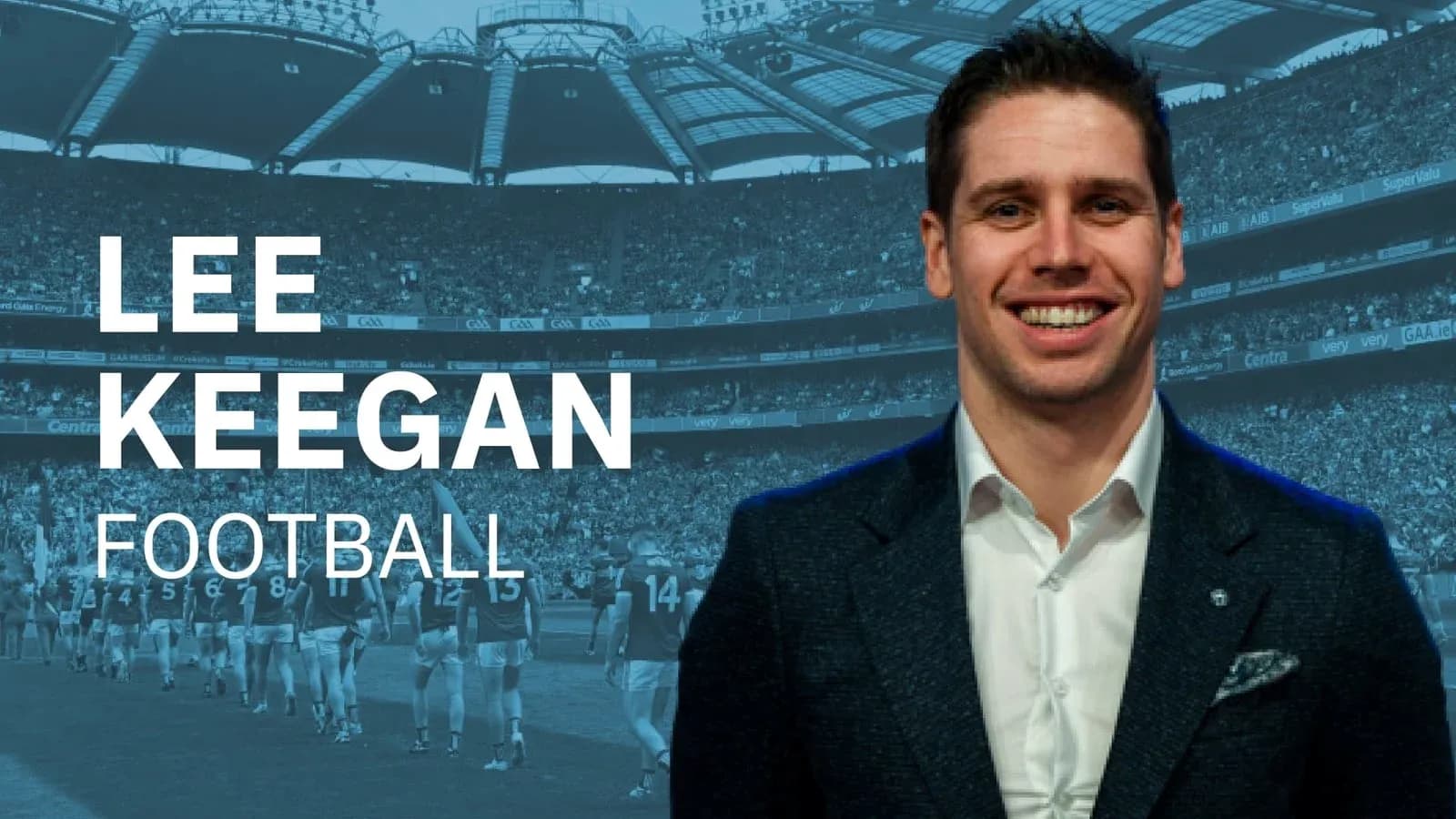
The Dubs used to stride into summer like they owned it. Now they limp into Round 2B, grateful for a draw that could hardly have been kinder.
Four home defeats on the spin have stripped away the aura and most of the crowd with it. Cavan in Kingspan Breffni is about as gentle a landing as Dublin could have hoped for, but nothing about this team suggests guarantees anymore. Survival feels likely. Certainty is gone.
Cavan, for their part, finally showed a pulse away to Westmeath, dragging the Leinster champions right to the brink. That alone is enough to make you pause before pencilling Dublin into the next round. A couple of years back, Dublin ran up a big score in Breffni in the group stages. Different time. Different mood. Different Dublin.
They might actually be relieved to be out of Croke Park. That in itself tells a story.
The vast spaces in Croker once showcased their athleticism and depth. Now, with an ageing profile and creaking legs, it exposes them. The stadium that used to feel like their private stage has turned into a harsh, unforgiving mirror.
So have the stands. Around 16,000 turned up for their last home game, a shocking number by Dublin standards, and a decent chunk of those were shouting for Louth. The bandwagon has rolled on without them. The razzmatazz, the noise, the sense of occasion that followed them everywhere during their pomp – gone.
It’s a far cry from the Pillar Caffrey era, when they packed out grounds even before the All-Ireland titles started flowing. Back then there was a sense of movement, of a team on the rise, clawing towards something bigger. Now? They’ve gorged on success and look bloated, sluggish, a great side sliding down the other side of the hill.
For those whose careers were spent chasing them through the 2010s, there’s a bittersweet edge to this decline. The thought lingers: they could have waited a few more years to fall apart. But this was always coming.
There was real panic a decade ago that Dublin’s dominance might stretch on indefinitely, a permanent fact of Gaelic football life. That was never how sport works. No empire lasts forever. Bodies age. Dressing rooms change. Great teams fracture. Leaders retire. Golden generations give way to younger, less gifted, more callow replacements.
While that happens, rivals sharpen up. They study. They adapt. Their hunger grows while the appetite of the serial winner dulls. It’s the same story in every code, every era, every dynasty.
Dublin’s famed underage machine no longer looks like the relentless conveyor belt it was in the early 2010s. Everyone heard about the Ciarán Kilkenny and Jack McCaffrey wave that came through at the start of the last decade. That crop helped transform the county. The recent return on underage success, even at provincial level, has been modest by comparison, never mind at All-Ireland standard.
Layer on top the arrival of the new rules, landing just as many of the greats of the last decade were nearing the end and the next line struggled to fill the void. The timing could hardly have been worse for Dublin. The older core had perfected the pre-FRC game. Then the landscape shifted. Quickly.
They still have weapons. On their day, the Dublin attack can look sharp and slick. When they settled in the first half last weekend, they moved the ball well. Con O’Callaghan was in excellent form, a reminder that class hasn’t deserted the squad entirely.
There have been other flashes too. Opening halves against Roscommon and Armagh in the league hinted at something more coherent. Yet they keep running into the same wall: they cannot sustain it for 70 minutes.
Ger Brennan’s return to the sideline after his harsh suspension for that wrestling match in Pearse Stadium will at least restore a familiar voice and presence. There was a thought that the perceived injustice of his ban – and the sting from Niall Moyna’s recent comments – might fuse into a siege mentality. If it did, it never showed last Sunday.
The real problem lies behind the ball. Dublin’s defence is leaking badly. Anxiety seems to seep through the line every time an opponent runs at them. There’s a jittery, nervy feel to their play back there, laid bare by Craig Lennon’s decisive late goal – a brutal concession for any team, unforgivable for a side with Dublin’s history.
When a team gets a run at them now, they look open. Alarmingly open. At times, even more exposed than Mayo – and that takes some doing.
Mayo, at least, used the winners’ path to book their place in Round 2, even if they did it in the most Mayo way possible: a wild, chaotic, nerve-shredding afternoon that exposed their own defensive frailties all over again.
The first half against Monaghan could hardly have unfolded better. Ryan O’Donoghue and Kobe McDonald were dropping glorious two-pointers over the bar, the wind swirling but Mayo seemingly unbothered as they built what looked like a commanding cushion.
Midway through the second half, that sense of control still held. How Monaghan trailed by so much was a mystery, given the avalanche of goal chances they created in the early minutes after the restart. Jack Livingstone, on debut, was outstanding in goal – a genuine Man of the Match performance, even if others saw it differently – and somehow Mayo’s net stayed untouched.
Then Bobby McCaul exploded into the game, slipping home a goal, and the final quarter turned into a frenzy.
Mayo’s game management late on was far from convincing. The chaos suited Monaghan, whose trademark wildness and fearlessness have a way of unsettling even the most seasoned sides when the clock ticks into the red. The tension was palpable.
In the end, it came down to one last play, one last ball in the sky. Kobe McDonald rose, fielded it in midfield, and only then could Mayo breathe. Andy Moran’s expression at the whistle – caught somewhere between relief and confusion – summed up the afternoon. For Mayo supporters, it raised more questions than it answered.
Omagh will provide the next set of clues. Mayo went there last year and turned over Tyrone in the same venue, a win that ultimately couldn’t salvage their campaign. The form guide, as ever with these teams, only tells you so much.
The real story now is who learns fastest – the fading giant from the capital, or the county that has made a habit of dancing on the edge.
Related News

Wilfred Ndidi’s Marriage Reportedly Ends as He Enters New Relationship

Cristiano Ronaldo's Top 5 Most Valuable Cars in His Extraordinary Collection
Ben Whittaker’s Challenge to Prove Eddie Hearn’s Bold British Boxing Bet
Peter Handscomb on the Challenge of Facing Indian Bowlers
How to Watch UFC 332: Silva vs. Wang Live on CBS and Paramount+ This Saturday
Raul Rosas Jr. Shares His Thoughts on the Shocking UFC Vegas 121 Finish Against Raoni Barcelos