
El Tri's World Cup Journey: Aguirre's Last Ride and New Talents
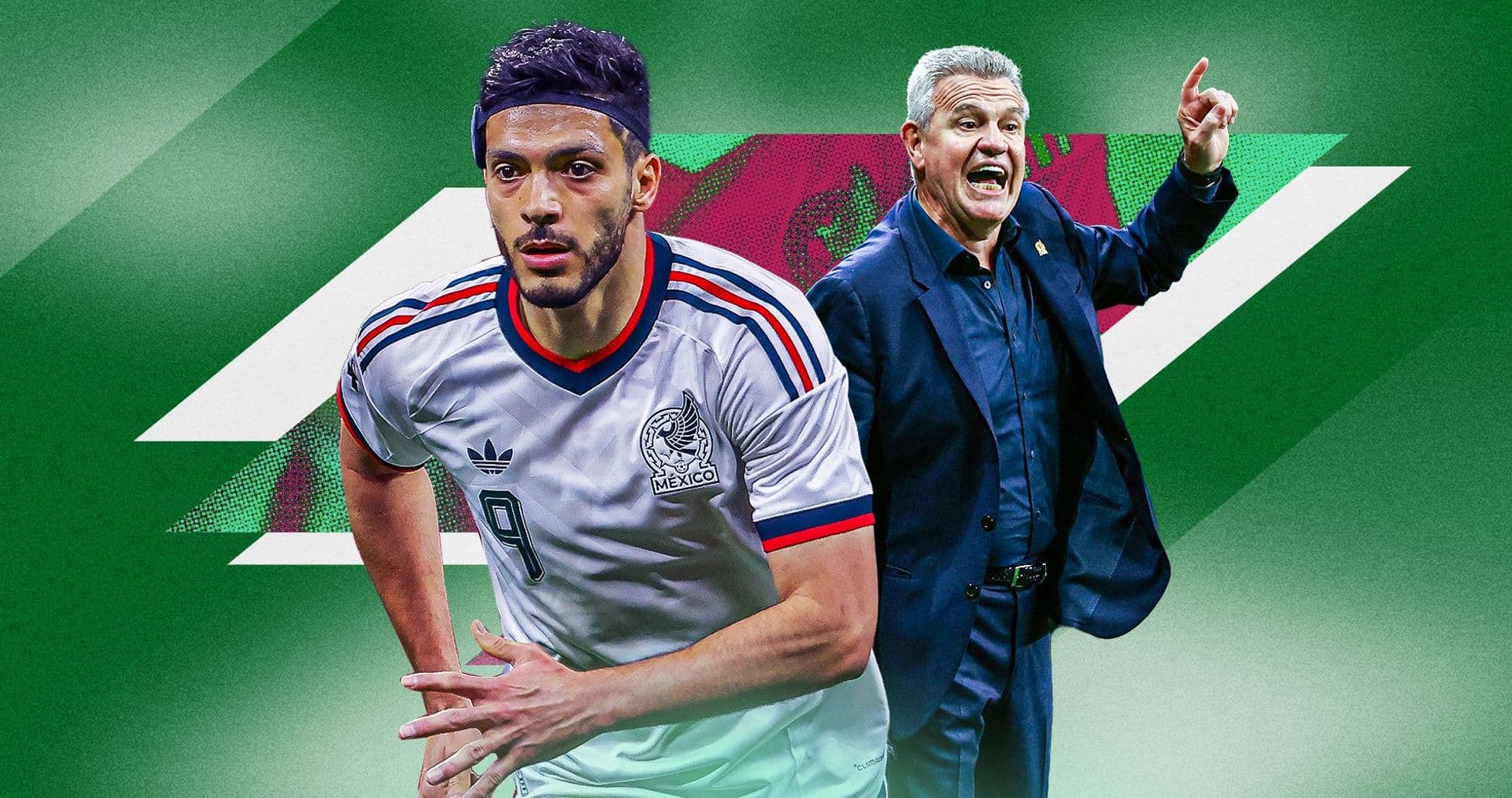
El Tri arrive under the kind of weight that bends generations. An entire country is tired of waiting, tired of talking about potential, tired of reliving the same World Cup ceiling. Getting out of the group is non‑negotiable. Doing it as group winners is the real target, a route that might delay a clash with the tournament’s giants and, just maybe, crack open that cursed last‑16 barrier.
Aguirre’s Last Ride
On the touchline, a familiar figure takes what feels like a final bow. Javier Aguirre, ‘El Vasco’, returns for a third World Cup with Mexico before handing the reins to his assistant Rafa Marquez. He carries the scars and the stories of 2002 and 2010, and he knows better than anyone what this job does to a person.
He also knows the criticism. Aguirre has two Gold Cups on his CV, yet a large section of the fanbase still winces at his name. They see a coach who leans toward caution, who trusts structure over spectacle, who will pick the players he believes in even if the public clamours for others. This squad is no exception.
Once again, Liga MX forms the backbone. Even before the domestic season wrapped up, 12 players had already been pulled into the preliminary camp from Mexican clubs, later joined by the European contingent. It’s a selection that speaks to Aguirre’s instincts: familiarity, discipline, and players who understand the league’s grind.
The flipside is brutal. Big names from recent cycles are out. Diego Lainez is not here. Neither is Chucky Lozano. Talents who once symbolised the future now watch from afar as a new group carries the flag.
Steel at the Back, Questions in the Middle
If Mexico are to go deep, the spine has to hold. At the back, it looks solid. Johan Vasquez and Cesar Montes anchor a central defence that feels like one of this team’s genuine strengths, a pairing built to suffer under pressure and still stand tall.
Ahead of them, the picture is more nuanced. In midfield, Alvaro Fidalgo brings intelligence and control, while youngster Obed Vargas is being asked to grow up quickly on the biggest stage. Captain Edson Alvarez, patched up after an injury-hit campaign, returns as the emotional and tactical pivot. His presence alone changes the tone of this side; he is the player others glance at when the noise swells and the legs start to shake.
The structure is there. What Mexico often lack is the spark.
Jimenez, One Last Charge
Up front, the hierarchy is clear. This is Raul Jimenez’s team.
At 35, the Fulham striker steps into his fourth World Cup as the undisputed reference point in attack. The numbers back it up: in Mexico’s two trophy wins in 2025, he scored nine of the team’s 22 goals. When the ball drops in the box, it is supposed to find him. When the game tightens, it is his name the crowd roars.
The context only heightens his importance. Santiago Gimenez has endured a difficult season at AC Milan, never quite finding rhythm or confidence. That leaves Jimenez carrying a disproportionate share of the scoring burden, one more heavy load on shoulders that have already carried so much for club and country.
This could be his last shot on this stage. He plays like a man who knows it.
Ochoa, the Reluctant Return
And then there is the eternal figure in green: Guillermo Ochoa.
Not long ago, it seemed his national-team story had reached its final chapter. The cycle had moved on, younger goalkeepers had stepped in, and Ochoa’s World Cup memories were destined to live in highlight reels and nostalgia.
Then Luis Malagon got injured, and the door swung open again.
Now Ochoa stands on the brink of a sixth consecutive World Cup, about to match a record that will also belong to Lionel Messi and Cristiano Ronaldo at this tournament. It is a staggering feat, a testament to longevity, resilience, and a knack for delivering when the world is watching.
For Mexico, his return is more than a statistic. It is a security blanket. A familiar face behind a defence that will inevitably be tested.
A 17-Year-Old to Light the Fuse
If the back line provides the steel and Jimenez offers the finishing touch, the question becomes simple: who creates?
The answer might be the most intriguing storyline of all. Gilberto Mora, just 17, steps into this stage as the kind of talent Mexico have not seen in years. An attacking midfielder with vision and daring in the final third, he carries the ball as if the game slows down for him alone.
Mora has only just returned from an injury that kept him out for a large part of the Liga MX season with Tijuana, yet the buzz around him has not dimmed. He is already rewriting age records in Mexican football. Scouts from Europe’s biggest clubs are circling, preparing offers, drawing up plans to bring him across the Atlantic.
For now, though, he belongs to Mexico. To this moment. To a team that often struggles to carve out clear chances and badly needs someone willing to take risks between the lines.
If Aguirre gives him the keys, Mora’s creativity could transform the mood of a nation. One pass, one dribble, one fearless performance at a time.
The pressure on El Tri has rarely felt heavier. The names have changed, the coach has returned, the country still waits. The question is no longer whether Mexico can survive the group.
It’s whether this mix of old warriors and a teenage prodigy can finally smash through the wall that has stopped them for so long.
Related News
UFC 332 Preview: Natalia Silva vs. Wang Cong Fight Card, Odds, Start Time, and Details
Andy Roddick Responds to Andre Agassi’s Comments on Alexander Zverev at the Laver Cup

Knicks Prepare for Flexible Roles in Title Defense
Rui Hachimura Swaps Lakers Fans to Clippers in Surprising Jersey Exchange

Who Will Be the NBA's Next First-Time All-Stars? Top Picks and Long Shots for 2027

How Strong Is Your Team at Home? Check Out the 2026 Brasileirão Home Standings