
England Uses Palm-Cooling Tech for World Cup
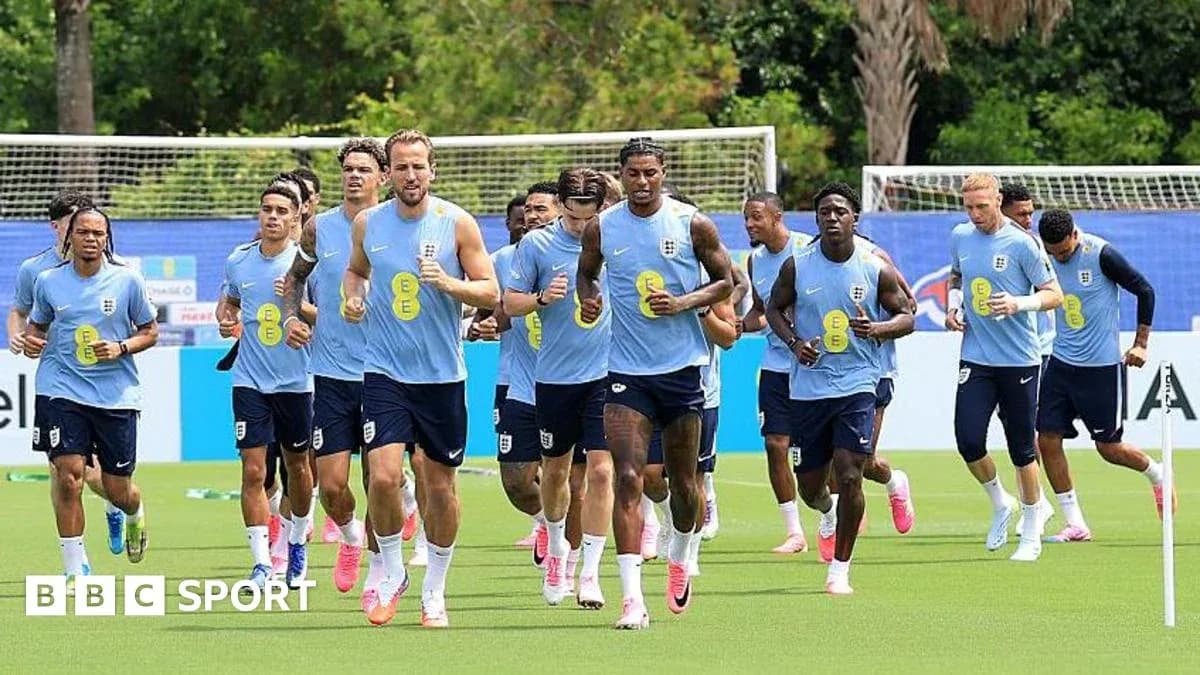
England’s World Cup preparations in the United States are not just about tactics, shape and set-pieces. They are also about science – and, more specifically, the palms of the players’ hands.
With the tournament expected to be played in punishing heat and humidity, England’s squad will use high‑tech palm‑cooling devices in training and during official water breaks at matches, as they search for every possible marginal gain.
Heat on, science on call
At least a third of World Cup fixtures are projected to be played in temperatures above 26C. That is not a minor detail; it is a central part of the challenge. On Tuesday, England’s opening session in West Palm Beach, Florida, took place in 32C heat, a sharp reminder of what awaits.
This is where the technology comes in. Palm‑cooling devices, already in use at elite clubs such as Manchester United, are designed to draw heat from the body through the hands. Research indicates that cooling the palms can significantly lower core body temperature, helping players recover faster between intense efforts and sustain high performance levels for longer spells.
England plan to integrate the devices into daily work in Florida and then into matchday routines during the tournament itself, particularly during those scheduled water breaks that have become a fixture of hot‑weather football.
‘Building capacity to the conditions’
Acclimatisation has become the theme of England’s first week in the States. This is not yet about full‑throttle football; it is about conditioning players to operate in hostile conditions without losing intensity.
Jordan Henderson underlined that point, describing this opening phase as a period to “build capacity to the conditions” and highlighting the value of the warm-up fixtures in that process. The Brentford midfielder also pointed to the “team behind the team” and the “top level research” being done on cooling and recovery, reflecting how far modern preparation now extends beyond the training pitch.
“Hopefully that can give us a little edge when we get into the tournament,” he said, summing up the thinking: if everyone has to deal with the heat, England want to deal with it better.
Warm-ups before the real heat
The schedule is clear and unforgiving. England face New Zealand in a friendly on Saturday, 6 June (21:00 BST), then Costa Rica on Wednesday, 10 June (21:00). Those games are not just tune‑ups for combinations and patterns of play; they are live tests of how the players’ bodies respond under match stress in the heat, and how well the cooling strategies hold up.
Then comes the real thing.
Thomas Tuchel’s side open their World Cup campaign against Croatia on Wednesday, 17 June (21:00), before group matches against Ghana on 23 June (21:00) and Panama on 27 June (22:00). Different opponents, different styles, but one constant: the conditions.
England have chosen to meet that challenge with data, devices and detail. Soon enough, the question will be whether cold palms can help deliver cool heads when the World Cup pressure rises.
Related News

Wilfred Ndidi’s Marriage Reportedly Ends as He Enters New Relationship

Cristiano Ronaldo's Top 5 Most Valuable Cars in His Extraordinary Collection

Ben Whittaker’s Challenge to Prove Eddie Hearn’s Bold British Boxing Bet

Peter Handscomb on the Challenge of Facing Indian Bowlers

How to Watch UFC 332: Silva vs. Wang Live on CBS and Paramount+ This Saturday

Raul Rosas Jr. Shares His Thoughts on the Shocking UFC Vegas 121 Finish Against Raoni Barcelos