
England Players Question Tuchel's Tactics in World Cup Semi-Final
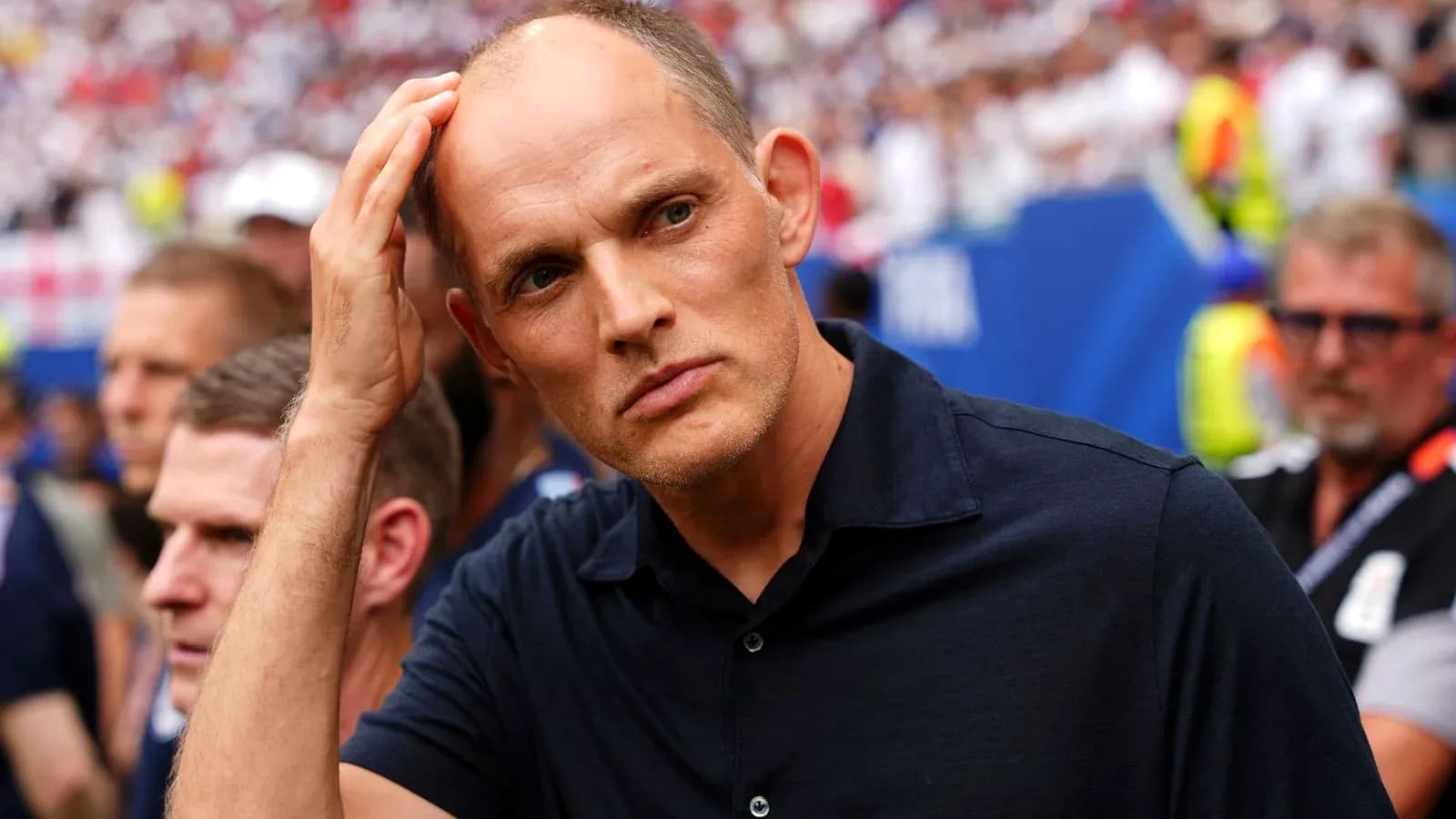
England players questioned Thomas Tuchel’s defensive gamble in their World Cup semi-final defeat to Argentina, with several senior figures left baffled by the head coach’s late-game approach.
Inside the dressing room, the feeling was simple: the changes hurt, they didn’t help.
A lead, then a retreat
Anthony Gordon’s 55th-minute strike had England exactly where they wanted to be. Morgan Rogers tore down the right, Gordon arrived from the left, and the plan that had underpinned England’s tournament – pace out wide, targeting Argentina’s full-backs – paid off.
Then the game flipped.
As Argentina grew into the contest and England’s line sank closer to their own box, Tuchel made his first big call. Seventeen minutes after Gordon’s opener, with more than half an hour still to survive, the goalscorer’s number went up. On came Ezri Konsa. England shifted to a back five.
From the touchline it looked like a move to stem the tide. On the pitch, some players saw something else: a team surrendering territory and its own identity.
Ten minutes later, Tuchel doubled down. Declan Rice, who had battled illness and fitness problems throughout the tournament, was withdrawn for Nico O’Reilly. By that point, England had six defenders on the pitch, four of them natural centre-backs. Harry Kane dropped deeper and deeper, dragged into his own half to help deal with the relentless stream of Argentina attacks, led by Lionel Messi.
The out-ball vanished.
Those uneasy with the tactical shift felt England had no one to hold the ball up, no runner to stretch the game down the flanks, no outlet to drag Argentina’s back line away from England’s penalty area. The very spaces England had circled as weaknesses – those Argentine full-back channels – went largely untested once the lead was secured.
The pressure built. And kept building.
Attacking weapons left idle
That was the other frustration inside the camp. This England squad had been constructed and coached to lean on speed and width. Noni Madueke, Bukayo Saka, Eberechi Eze – all stayed glued to the bench as the game tightened and Argentina rolled the dice.
Rogers and Gordon had already shown the route to goal. Yet after that breakthrough, England’s attacking intent ebbed away. When Marcus Rashford finally entered the pitch in the 96th minute, the damage was done. Enzo Fernandez and Lautaro Martinez had already completed the turnaround, firing Argentina from 1-0 down to 2-1 up with late, ruthless strikes.
Between Gordon’s goal and Martinez’s stoppage-time winner, England had just 12 per cent possession. For a side supposedly built to control big moments, it was an alarming statistic.
Tuchel stands firm
Tuchel faced the questions afterwards and did not flinch. Without having fully reviewed the game, he pointed not to his own tactical calls, but to what he sees as a deeper flaw in English football.
In his view, the issue lay in an ingrained inability to keep the ball under intense pressure – a weakness in the country’s footballing “DNA” when measured against Spain, Argentina and Brazil. He argued that the switch to a back five was a logical response to Argentina’s changes: Nico Gonzalez on to the left, Messi drifting to the right in an aggressive 4-2-4, crosses flying into England’s box.
Tuchel’s intention, he said, was to cut out those deliveries, compress the space, and choke off Argentina’s wide threat.
Some of his players saw it differently. For them, the substitutions felt negative, inviting even more pressure and leaving the defence with no respite and no platform to play out. The sense among a number of squad members was that England retreated too far, too early, and paid the price.
How they will react to Tuchel’s broader comments about English football’s technical shortcomings remains to be seen. The remarks have already sparked debate outside the camp; inside, they will land in a dressing room that believed it had the tools to keep the ball better – if it had been allowed to use them.
Unity, but uneasy questions
There is, though, no suggestion of a split. No factions, no open revolt. Tuchel remains a popular, authoritative figure with the players, a coach whose work on the training ground and clarity of message have earned significant respect.
The Football Association hierarchy still back him fully. Even after the semi-final heartbreak and the storm over his tactics, Tuchel has been assured of their support and has publicly committed himself “100 per cent” to leading England into Euro 2028, when the country will share hosting duties with Scotland, Wales and the Republic of Ireland.
The bond between coach and squad holds. The belief in the project, officially at least, remains intact.
Yet the image lingers: England 1-0 up in a World Cup semi-final, six defenders on the pitch, their attacking threats unused, their lead slipping away under a blue-and-white onslaught.
Euro 2028 will be played on home soil. The question now is whether England will face it as a team that protects what it has, or one that trusts its talent enough to go and win the biggest games on its own terms.
Related News
UFC 332 Preview: Natalia Silva vs. Wang Cong Fight Card, Odds, Start Time, and Details
Andy Roddick Responds to Andre Agassi’s Comments on Alexander Zverev at the Laver Cup
Knicks Prepare for Flexible Roles in Title Defense

Rui Hachimura Swaps Lakers Fans to Clippers in Surprising Jersey Exchange

Who Will Be the NBA's Next First-Time All-Stars? Top Picks and Long Shots for 2027

How Strong Is Your Team at Home? Check Out the 2026 Brasileirão Home Standings