
England's World Cup Squad: Bold Cuts and Key Inclusions
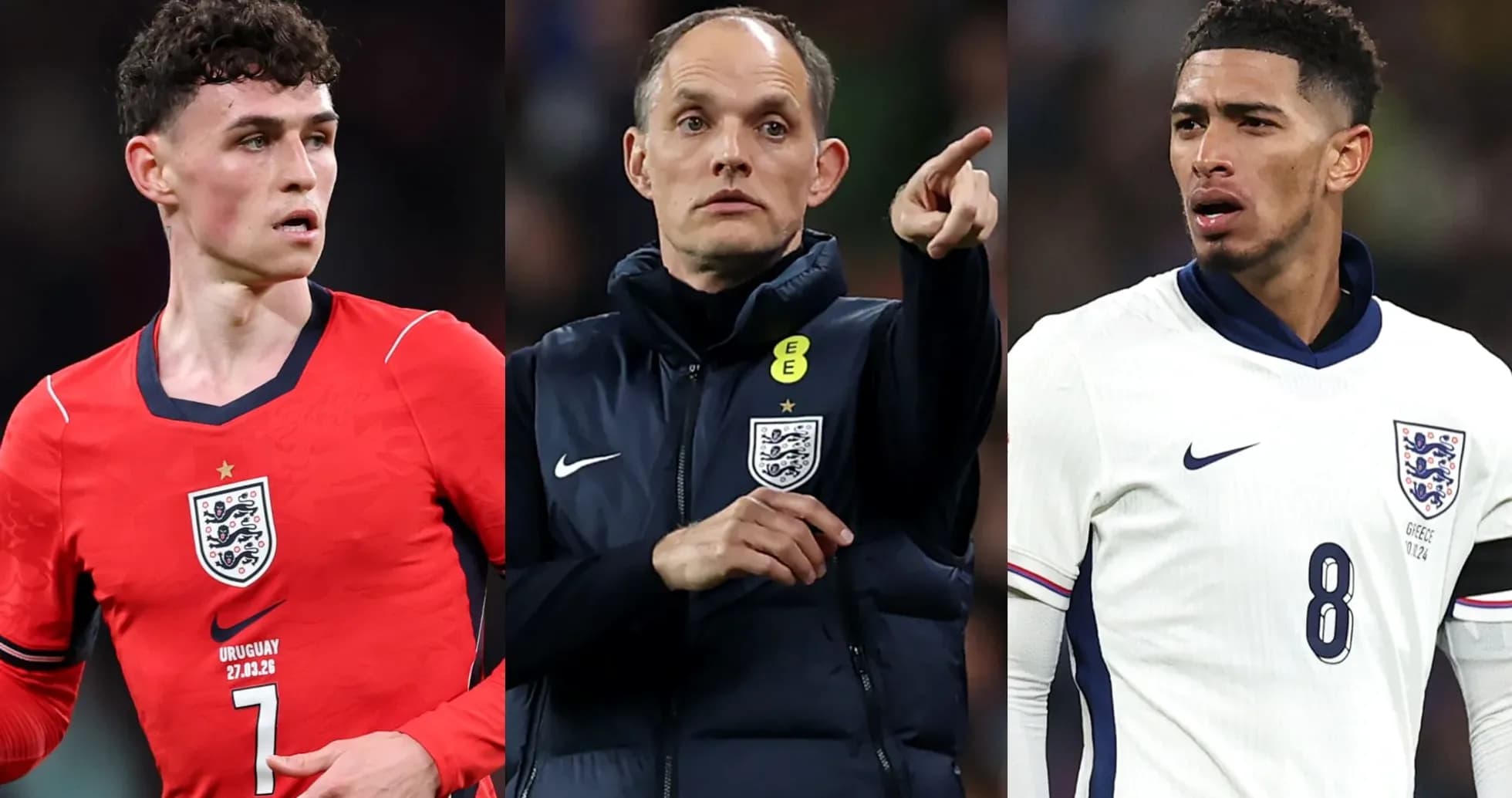
Thomas Tuchel has made his cuts. The long list is gone, the arguments are over, and England will head to North America with a squad that looks bold, ruthless and built for now rather than sentiment.
From a preliminary pool of 55, only a hardened core remains. It is a group loaded with medals, Champions League pedigree and title winners, but also with players who still have something to prove on the biggest international stage. No comfort picks. No nostalgia.
Bellingham at the heart of England’s plan
The fiercest debate came where England suddenly have an embarrassment of riches: the creative heart of the side.
Tuchel has pinned his colours to the most obvious mast. Jude Bellingham, the Real Madrid superstar, is set to wear the No.10 role as if it was made for him, the central pillar of England’s attacking structure. Everything points to the team being built around his energy, arrogance and end-product between the lines.
Behind him, the options say plenty about the direction of travel. Eberechi Eze arrives as a Premier League champion with Arsenal and offers a different kind of rhythm, a more gliding, improvisational threat. Morgan Rogers, outstanding for Aston Villa, adds another flexible, modern playmaker to the mix.
The message is clear: England intend to play on the front foot.
Kane leads a hungry forward line
Up front, there was never any doubt. Harry Kane, the record-breaking captain, will once again carry the weight of a nation on his shoulders. He leads the line, he leads the dressing room, and he will be expected to lead the Golden Boot race as well.
Behind him, the picture is more intriguing.
Ivan Toney, rebuilding his career in the Saudi Pro League, has often found himself on the outside looking in under Tuchel. Not this time. His recall comes at the perfect moment, a nod to his penalty-box craft and ice-cold composure from the spot.
Ollie Watkins forces his way in too, still riding the wave of his Euro 2024 semi-final heroics against the Netherlands. His movement, relentlessness and knack for late, decisive goals give Tuchel a very different weapon when games stretch and defenders tire.
Out wide, the choices are more daring. Noni Madueke is a surprise inclusion, given he is not a guaranteed starter at Arsenal, but his one-on-one threat and left-footed unpredictability on the flank have clearly caught the manager’s eye. On the opposite side, Barcelona loanee Marcus Rashford and Newcastle’s Anthony Gordon bring raw pace, power and the versatility to drift inside and operate centrally if needed.
This is not a conservative forward unit. It’s built to hurt teams.
Experience, redemption and a ruthless edge in midfield
In midfield, Tuchel has tried to blend scars with spark.
Jordan Henderson, battle-hardened and tested in every environment international football can throw at him, keeps his place as one of the dressing room’s key voices. He may not start every game, but his presence around the group remains valued.
Then there is Kobbie Mainoo, whose revival at Manchester United under Michael Carrick has been one of the stories of the season. From the fringes to the World Cup squad, his late surge has carried him all the way onto the plane. It is a reward for form, bravery and maturity in big moments.
Not everyone has been so fortunate. Adam Wharton of Crystal Palace and Everton’s James Garner have slipped off the bottom of England’s deep-lying midfield depth chart, victims of sheer competition rather than poor seasons. Their omission underlines just how crowded this area has become.
Stones in, big names out at the back
At the back, the headlines cut both ways.
John Stones makes it. Despite an injury-disrupted campaign and an uncertain club future as he approaches free agency at Manchester City, his class on the ball and experience in major tournaments have convinced Tuchel to keep faith. When fit, he remains England’s most composed central defender.
Out wide, Chelsea captain Reece James has nailed down the right-back slot as his own, a modern full-back who can defend, surge forward and step inside as an extra midfielder. On the left, Nico O’Reilly and Djed Spence will scrap for the starting role, a battle that could run right up to the opening game.
Some of the biggest calls, though, are the ones that went the other way.
Harry Maguire, a mainstay of England’s recent tournament runs and often one of their most reliable performers in a Three Lions shirt, has been left out. The Manchester United centre-half has already voiced his disappointment, and it is easy to see why: this feels like the end of an era.
Real Madrid’s Trent Alexander-Arnold misses out on a full-back berth as well, unable to lock down a spot in a role that has never quite been solved at international level. Newcastle’s Lewis Hall is also absent, while an untimely injury has cost Arsenal’s Ben White any chance of forcing his way into Tuchel’s plans.
Big attacking names pay the price
If the inclusions show Tuchel’s intent, the omissions underline his ruthlessness.
Phil Foden’s struggles for form at Manchester City have finally caught up with him. A player once tipped to be the face of this England side will watch this World Cup from home. Chelsea star Cole Palmer, England’s Men’s Player of the Year in 2024, also misses out after a stark dip domestically, his run of 14 goalless games for club and country proving too hard to ignore.
Morgan Gibbs-White, coming off a career-best 17-goal season with Nottingham Forest, has been overlooked again. For all his productivity, he has not done enough to dislodge those ahead of him in Tuchel’s thinking.
Jarrod Bowen’s tireless work for a struggling West Ham team has not earned him a ticket either. Nor have the 27 Premier League goals shared between veteran forwards Danny Welbeck and Dominic Calvert-Lewin at Brighton and Leeds. Their exclusion underlines the level of competition in attacking areas.
Newcastle winger Harvey Barnes, left out once more, may well be wondering if his international story might have looked very different had he chosen Scotland when he had the chance.
Two friendlies, then the real thing
The countdown is short and unforgiving.
England will use two friendlies to tune up, test combinations and adapt to conditions in the United States. New Zealand await on June 6, followed by Costa Rica on June 10. Tuchel is expected to spread minutes widely, sharpening legs and minds before the real pressure arrives.
Then the stage changes.
On June 17, at AT&T Stadium in Arlington, Texas, England open their World Cup campaign against Croatia, a familiar and awkward opponent on the biggest stage. Six days later, they move to Gillette Stadium, home of the New England Patriots, to face a powerful and athletic Ghana side on June 23.
Their Group L journey ends at MetLife Stadium on June 27 against Panama. The same arena will host the final.
If Tuchel gets this blend of star power, form and hard calls right, England will hope to walk out there again when everything is on the line.
Related News
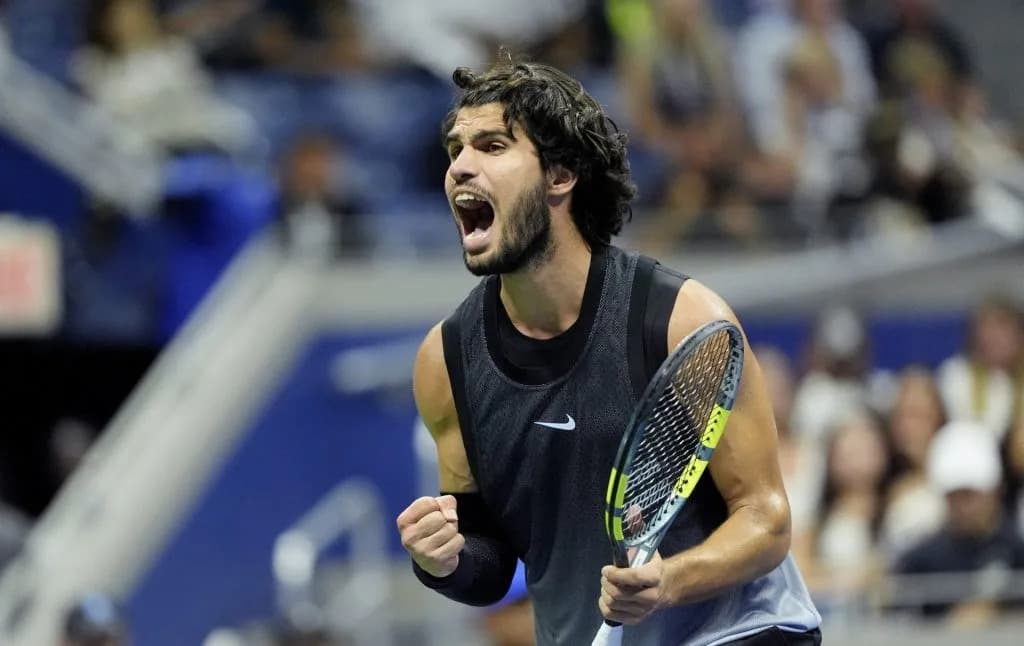
Carlos Alcaraz Urges an End to Matches Ending in the Early Hours
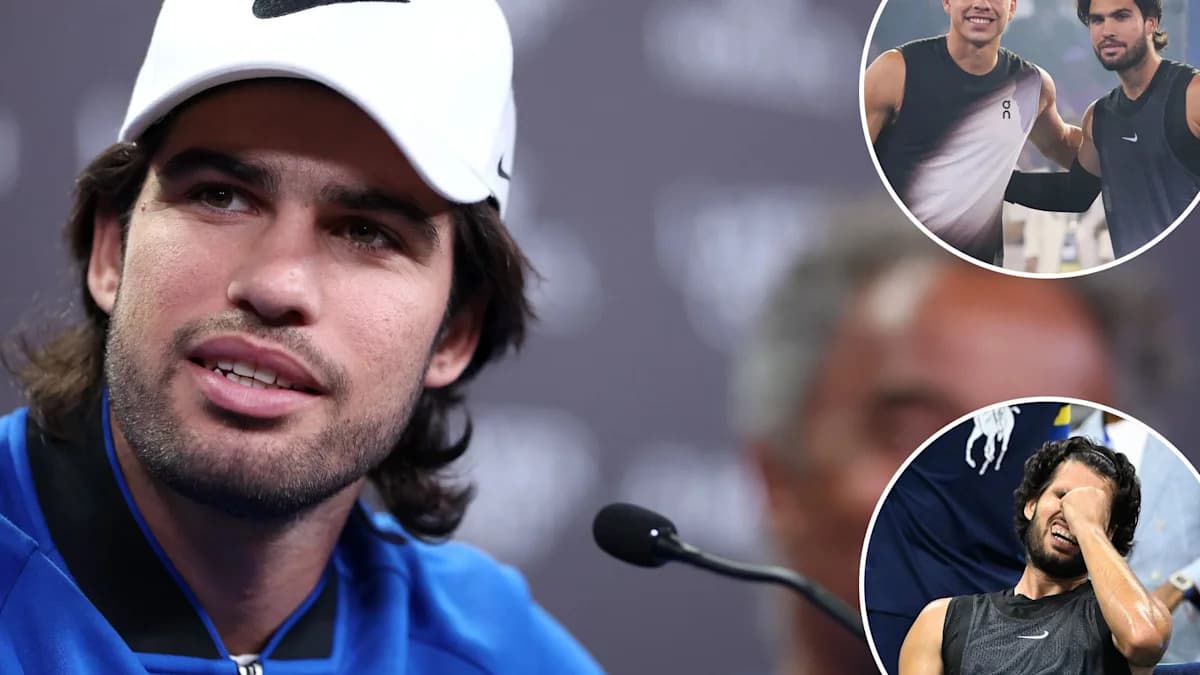
Carlos Alcaraz Criticizes Late US Open Finish After 3:30 a.m. Match
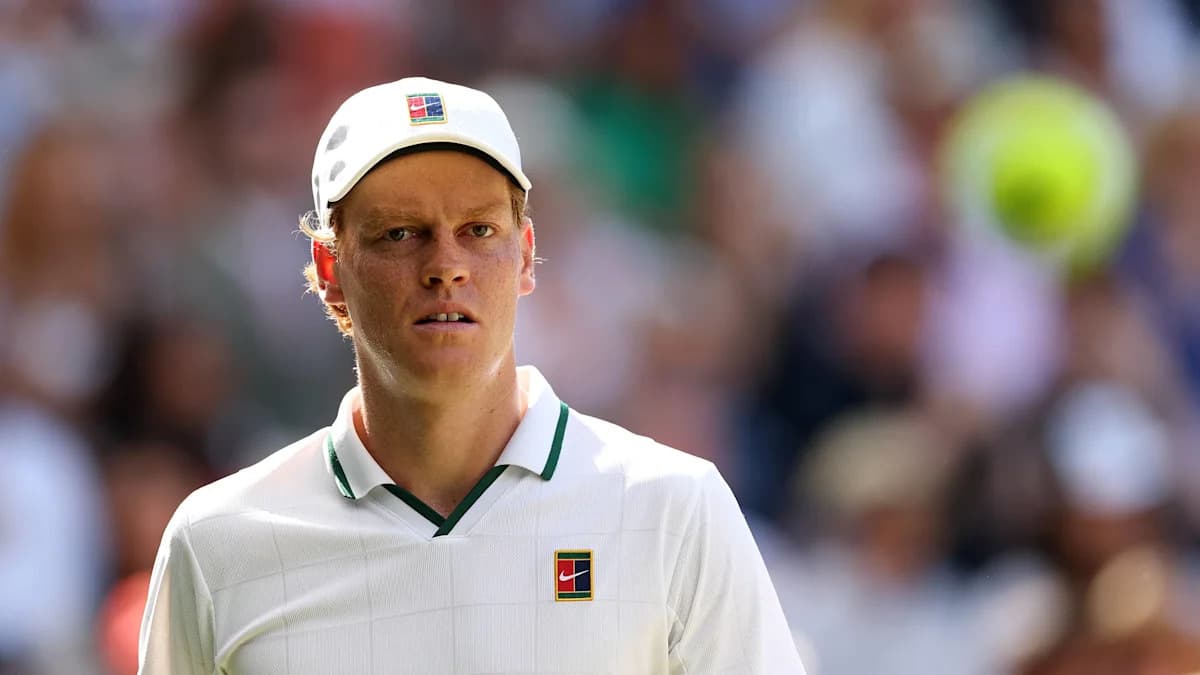
Jannik Sinner Set for ATP 500 Return in Beijing with Novak Djokovic Also Competing

Meet Iva Jovic: The American Tennis Prospect Making Waves
Flavio Cobolli Shares Insights on Practice Session with Jannik Sinner Ahead of Comeback

Till vs Romero: Fight Details, Undercard, and Viewing Info for This Weekend