
Enzo Maresca Takes Charge at Manchester City: Expectations and Challenges Ahead
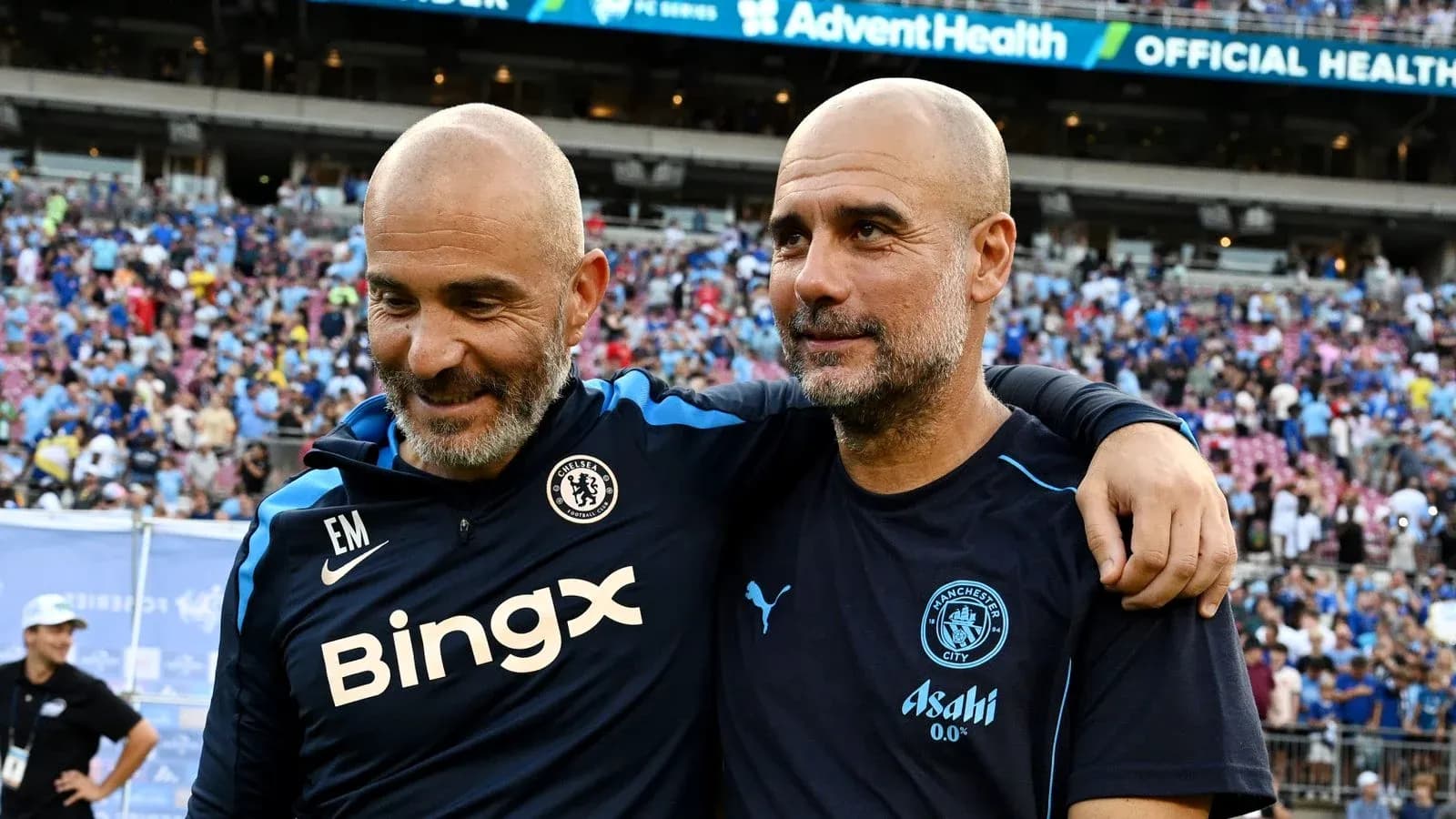
The Premier League’s elite have spun the managerial carousel again, but nowhere does the shift feel quite as seismic as at Manchester City. Pep Guardiola is gone. The architect of an era has walked away, leaving behind a machine still humming, still gilded, but now in the hands of a coach who knows the building intimately and yet has never truly owned a stage like this.
Enzo Maresca steps into a “dream situation”, as he called it. It’s also a trapdoor if he missteps.
A Soft Landing – On Paper
The fixture list has been kind. Bournemouth, Crystal Palace and Coventry City in his first three league games: a runway rather than a cliff edge.
It’s a stretch that should let City find their rhythm while others are still clearing their throats. It also buys breathing space for the club’s World Cup core, dragged deep into the summer by international duty.
No one feels that more than Rodri. Spain’s midfield metronome played almost every minute of their triumphant campaign. He is City’s heartbeat and their biggest fatigue risk. Those opening fixtures are favourable enough that Maresca can phase him back rather than throw him straight into the furnace.
But a gentle start cuts both ways. Drop points there and the pressure multiplies quickly. City meet Manchester United and Liverpool in two of the next three games in September. Those are not just fixtures; they are early verdicts on the post-Guardiola project. Any early stumble will be magnified against that backdrop.
Maresca inherits a squad Guardiola shaped to within an inch of perfection. Talent everywhere, depth in almost every role, a culture wired to compete for every trophy. That raises the bar as much as it cushions the landing. The demands will be exactly what they were for Guardiola. The job security will not be.
Guardiola operated on his own terms. Maresca may have a strong relationship with chairman Khaldoon Al Mubarak, but he walks into a club that now knows what sustained greatness feels like and expects nothing less.
Same Ideology, Sharper Edges
Tactically, this is not a revolution. It’s more a change of accent.
Both Guardiola and Maresca worship the ball. Both prize control, structure, and an aggressive press. City’s identity will not swing wildly from one extreme to another.
Where Maresca differs is in the details. He likes width. Real width. Wingers high and wide, stretching the pitch, dragging defences into awkward spaces. At City under Guardiola, wide players were often asked to drift inside, rotate into central pockets, and help overload the middle. The geometry was endlessly fluid: centre-backs stepping into midfield, midfielders dropping into full-back zones, forwards appearing as playmakers.
Maresca leans towards a more defined 4-2-3-1. Roles are clearer. Lines are sharper. It demands a true No 10 to stitch everything together, someone who can receive between the lines, turn, and feed the runners.
At Chelsea, that player was Cole Palmer. At City, the obvious candidates are Phil Foden and Rayan Cherki. Foden, in particular, has long been tipped as the man to own that central creative space. Under Maresca, he may finally get that responsibility week in, week out.
The shift will not be seamless. City’s wingers have been conditioned to tuck in, to join the inner carousel of movement. Now they may be asked to hug the touchline more often, to isolate full-backs and stay wide until the moment comes to strike. It’s a tweak, not a tear-up, but it will take adjustment.
The question is how quickly a squad drilled for years in Guardiola’s jazz-like positional interchanges can adapt to a slightly more traditional score.
A Younger City, With a Leadership Void
Behind the scenes, the club has already been reshaping the squad for this new phase.
Under sporting director Hugo Viana, City have spent the last two or three windows deliberately lowering the average age. It has dropped from 29 to just over 25. The future looks brighter, quicker, more sustainable.
But it has come at a cost.
Bernardo Silva and John Stones have gone this summer. Kevin De Bruyne departed before them. Those are not just elite footballers; they are dressing-room pillars, voices that carry in difficult moments. A leadership void has opened up.
The responsibility now leans heavily on Rodri and Ruben Dias. Erling Haaland, too, has been nudged further into a leadership role, his influence extending beyond goals into the tone of the dressing room. Marc Guehi and Josko Gvardiol bring a calmer, experienced presence at the back, while Mateo Kovacic adds know-how in midfield. The spine remains formidable.
Recruitment has been expensive but targeted. Elliot Anderson has arrived from Nottingham Forest for huge money, a bet on a robust, long-term midfield presence. Jeremy Monga has been taken from Leicester as another investment in the future.
City still want more. A right-back is on the list. So is another winger to fit Maresca’s demand for width. The club are monitoring Lille teenager Ayyoub Bouaddi, who shone for Morocco at the World Cup, though Arsenal are watching him closely as well.
To fund and balance the squad, several names could depart if the price is right: Savinho, Omar Marmoush, Nico Gonzalez, Jack Grealish, Tijjani Reijnders and Rico Lewis are all in the bracket of possible outgoings. With the World Cup now over, the market around City is expected to accelerate.
The First Big Question of the Abu Dhabi Era
This is new ground for Manchester City’s owners.
For a decade, every major decision bent towards one goal: bring Guardiola to the Etihad and give him the tools to dominate. That mission has been completed. The trophies are in the cabinet. The style of play has redefined the club.
So what now?
City’s culture is welded to winning. Cups, titles, parades – anything less, over time, is not acceptable. Supporters arrive at the Etihad expecting to be entertained, but entertainment without silverware will not satisfy them for long. Maresca discovered at Chelsea how hard it is to balance aesthetics with results. That tension will be even sharper here.
He does, at least, step into a league where he is not the only new face at a giant.
Andoni Iraola is bedding in at Liverpool. Xabi Alonso has taken the reins at Chelsea. Michael Carrick is still carving out his identity at Manchester United. None of those projects are fully formed. The hierarchy at the top of the Premier League is more fluid than it has been in years.
For City, that is an opening. A chance to exploit others’ growing pains while maintaining their own standards. For Maresca, it is both opportunity and risk: this is a landscape where a strong first season could establish him quickly, but a stumble could see him swallowed up by the noise.
Sink or swim feels less like a cliché and more like a job description.
The Shadow of the 115 Charges
Hovering over all of this is the issue no coach can control.
The 115 Premier League charges against Manchester City still hang over the club. They colour every conversation about dominance, every discussion about legacy. Maresca cannot solve them, but he will have to live with them.
He will face questions. Repeatedly. On matchdays, in press conferences, around every major milestone. Guardiola, hardened by years in the spotlight at Barcelona, Bayern Munich and City, knew how to deflect, confront, or shut down those lines of inquiry. He understood the press pack, knew when to bite back and when to brush things off.
Maresca’s experience at Chelsea brought criticism, but almost all of it was about football. Tactics. Results. Selections. This is different. How he handles the scrutiny around the charges – his tone, his composure, his consistency – will shape the perception of his first year as much as any tactical tweak.
All of this unfolds against a ticking clock. If a verdict arrives within the next 12 months, the temperature around the club could change dramatically. He will be the public face of City when that happens.
And so Maresca stands at the edge of the Guardiola afterglow, with a gifted squad, a favourable start, and a club that no longer wonders if it can dominate, only if it can keep doing so.
Is he the man to prove that City’s power outlives Pep, or the first reminder that even empires can wobble once the mastermind steps away?
Related News
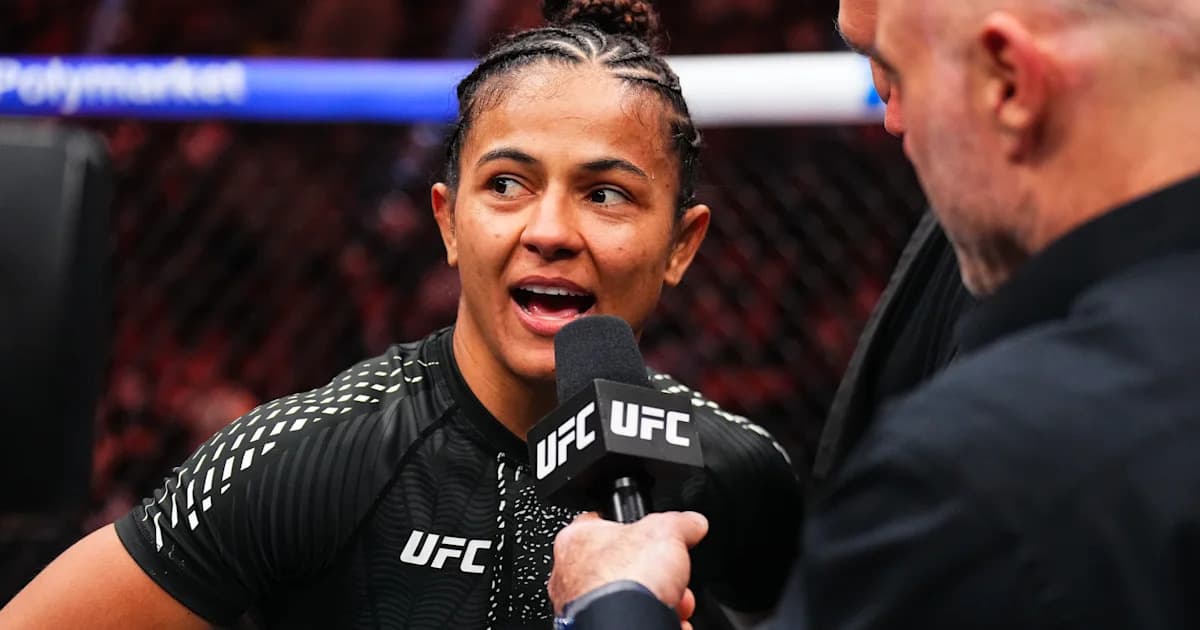
UFC 332 Preview: Natalia Silva vs. Wang Cong Fight Card, Odds, Start Time, and Details
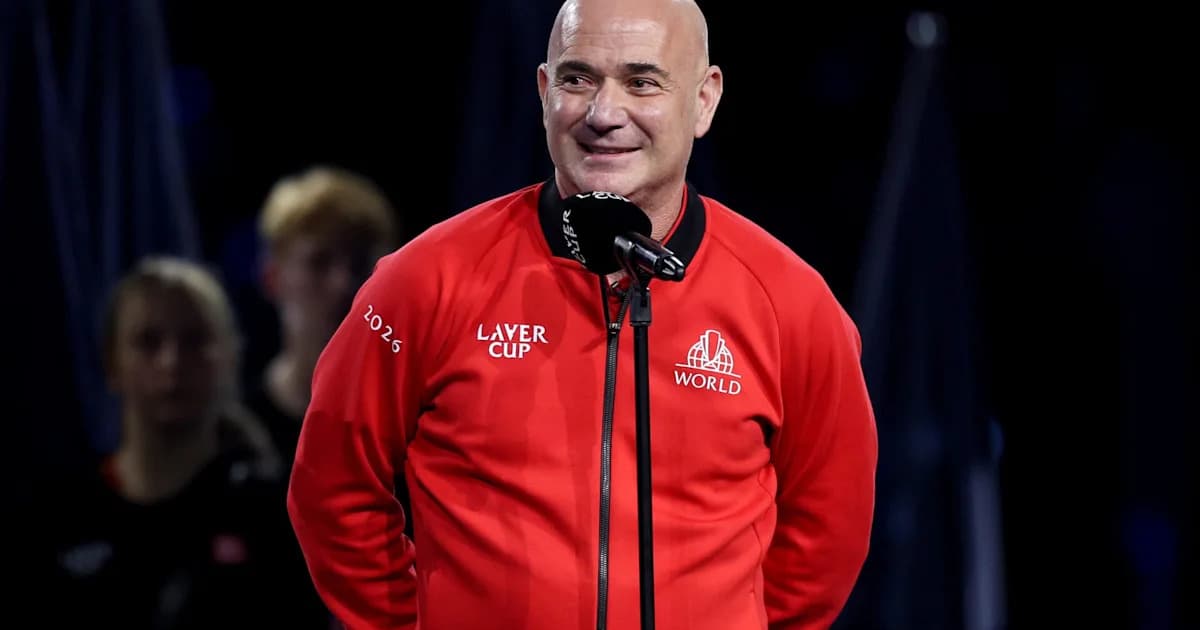
Andy Roddick Responds to Andre Agassi’s Comments on Alexander Zverev at the Laver Cup

Knicks Prepare for Flexible Roles in Title Defense
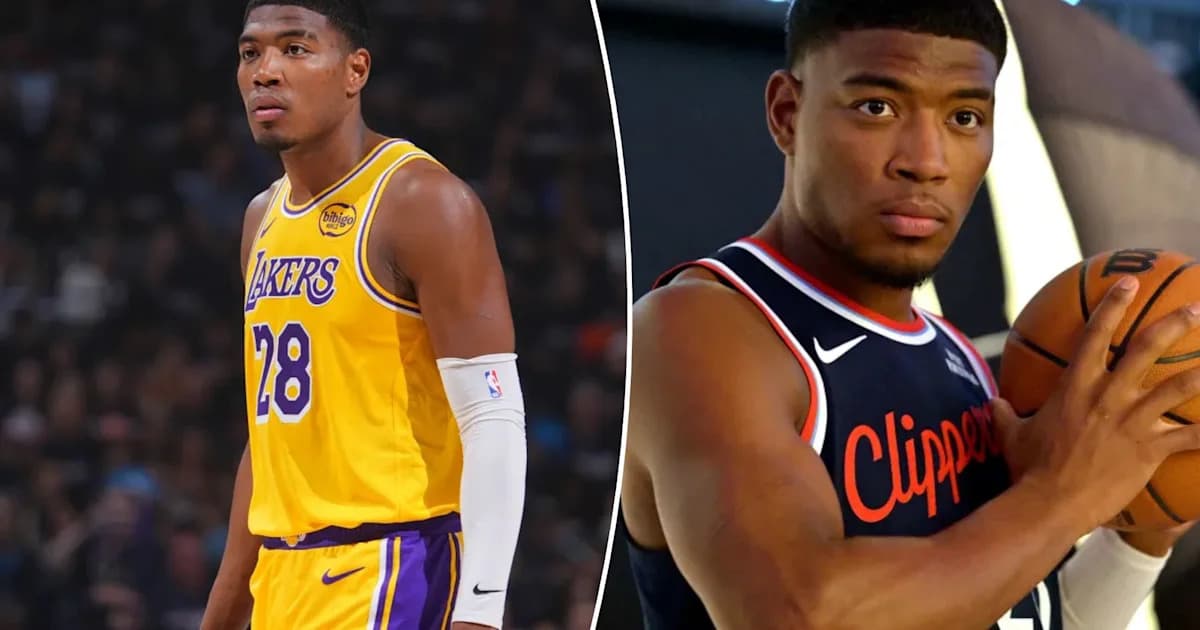
Rui Hachimura Swaps Lakers Fans to Clippers in Surprising Jersey Exchange

Who Will Be the NBA's Next First-Time All-Stars? Top Picks and Long Shots for 2027
How Strong Is Your Team at Home? Check Out the 2026 Brasileirão Home Standings