
European Football's Cold War with FIFA: Infantino's Controversial Plan
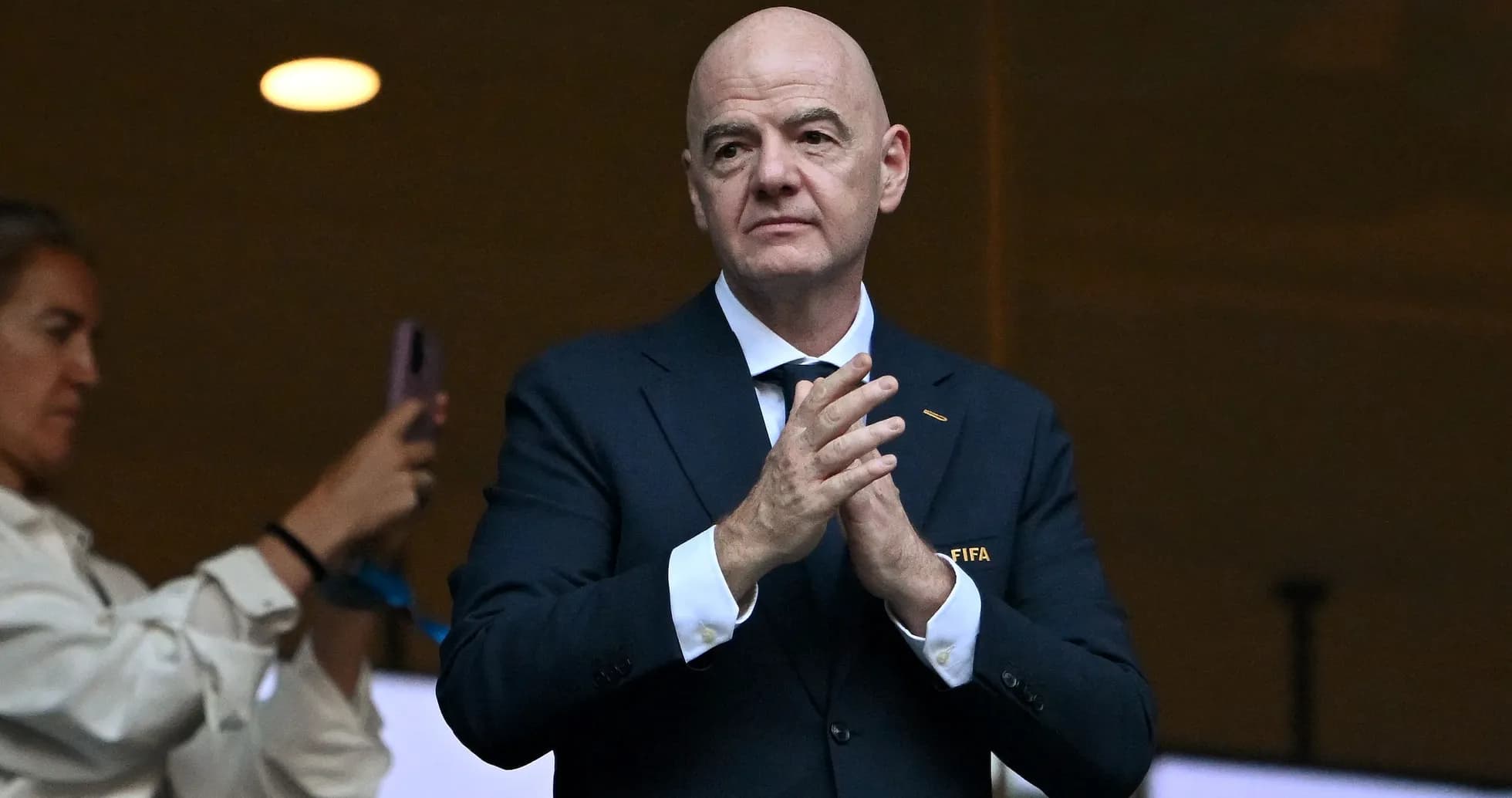
European football’s cold war with FIFA is no longer a whisper in the corridors of power. It is out in the open, raw and unresolved, with the threat of a boycott of FIFA competitions by England and several other leading nations hanging over the global game like a storm cloud.
At the centre of it all stands Gianni Infantino.
A plan that blew up in FIFA’s face
Tensions erupted last week when Infantino pushed a deeply contentious plan: the creation of a new FIFA subsidiary to manage and sell off significant stakes in some of football’s crown jewels, including the World Cup itself.
For many in Europe, that crossed a line.
The scheme collapsed on Friday night, scrapped under fierce pressure. But the damage was done. Trust, already fragile, snapped.
UEFA, speaking with unusual bluntness, made clear to Sky News that Europe’s national associations had set firm conditions for avoiding a boycott of FIFA competitions. Two demands, no ambiguity.
- First, the plan to sell off major competitions had to be withdrawn. That has now happened.
- Second, there had to be cast-iron assurances that nothing like it would ever be attempted again. That, UEFA says, has not been delivered.
On top of that, UEFA has already publicly declared that it has lost confidence in Infantino’s presidency. In its own words, that position “holds”. The message is stark: the relationship is broken, and a simple tactical retreat from one commercial project will not fix it.
UEFA also dismissed the significance of yesterday’s show of support from people employed by the FIFA President, stressing that their careers “depend on his favour” and that their backing “changes nothing.”
FIFA apologises – but digs in
Facing what looked increasingly like a rebellion, Infantino and FIFA secretary general Mattias Grafstrom moved to calm the crisis. They issued a joint letter, an attempt to pour water on a fire that has already scorched the walls.
The letter expressed regret for the way the commercial plan had been handled and for the fallout after it leaked to the media. FIFA’s senior leadership wrote: “We sincerely apologise for these errors and commit to them not happening again. We acknowledge that errors were also made after the proposal was leaked to media. With this in mind, we will conduct a necessary review, and a report will be presented to the FIFA Council at its next scheduled meeting.”
It was a rare public climbdown. But not the full reset many European associations are demanding.
There was no promise of sweeping leadership change. No admission that the core idea itself was fundamentally flawed. Instead, even as they reached for reconciliation, FIFA officials defended the legality of their original approach and bristled at the way information had spilled into the public domain.
Zurich’s message was clear: the project is gone, but FIFA will not accept being painted as rogue operators.
“With the project withdrawn,” the leadership wrote, “FIFA will no longer tolerate any attacks on its integrity, good governance and due process and will take all necessary measures to protect and safeguard its name and reputation. Everything that was done, was done in full compliance with the FIFA regulatory framework.”
So the governing body apologises for the way it acted, yet insists it acted properly. For its critics, that only deepens the sense of disconnect.
Europe digs in, the calendar tightens
While FIFA talks of reviews and regulatory frameworks, the practical consequences are closing in fast.
The threat of a boycott is not some distant theoretical weapon. It could bite as early as next month.
England’s youth and senior teams are directly in the firing line. The first major flashpoint is the Women’s U20 World Cup, a tournament for which England has already named a training squad. If UEFA’s conditions remain unmet, that squad may never make it to the pitch.
And that is only the start.
Look further down the calendar and the stakes rise sharply. The qualifying play-offs for the 2027 Women’s World Cup are scheduled for October, featuring England, Scotland, Wales, Northern Ireland and the Republic of Ireland. Those fixtures are not fringe events. They are central to FIFA’s flagship women’s tournament and to the competitive futures of the home nations.
If European anger hardens into action, Infantino could be staring at a World Cup cycle scarred by absences, legal battles and a legitimacy crisis.
For now, the project to part-privatise football’s biggest competitions is dead. The bigger question is whether it has already taken something else down with it: FIFA’s authority over some of its most powerful members.
Related News
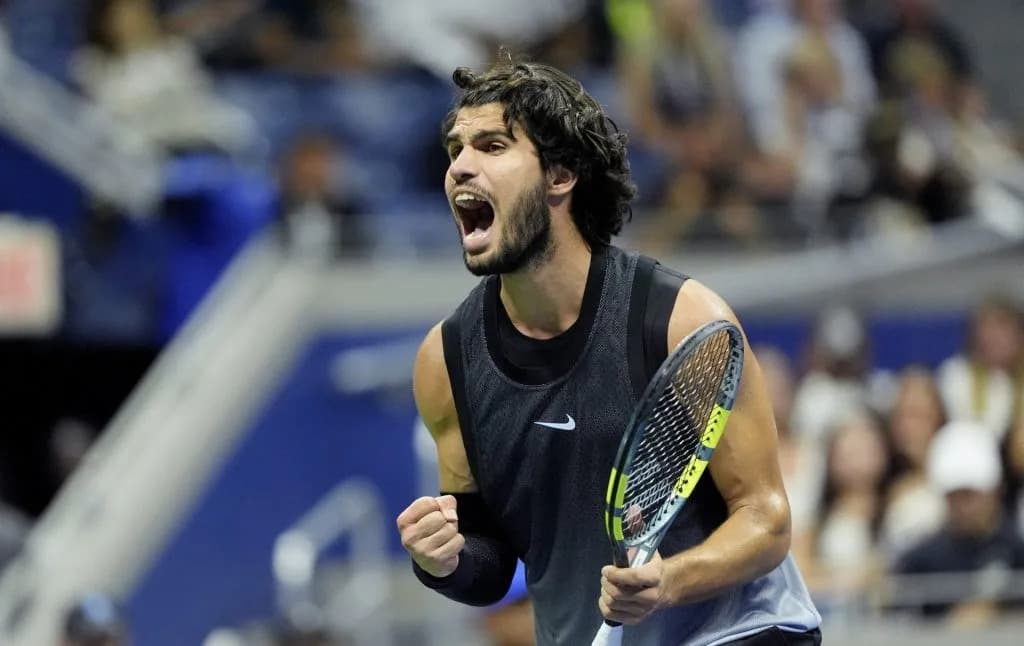
Carlos Alcaraz Urges an End to Matches Ending in the Early Hours
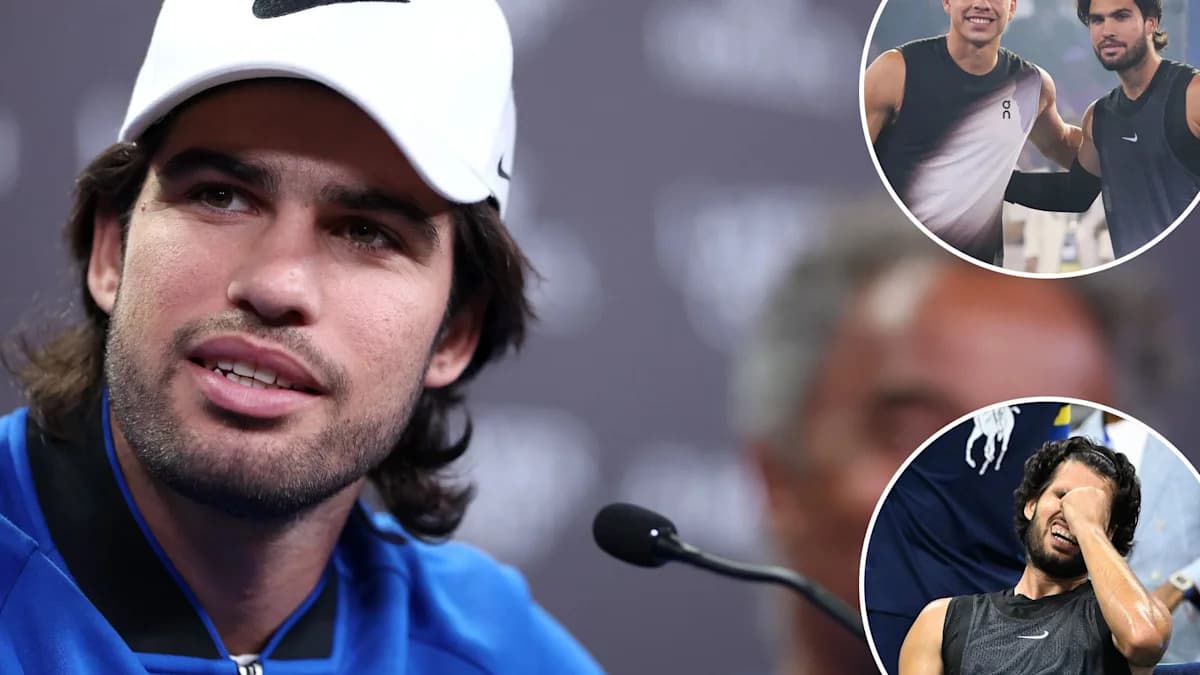
Carlos Alcaraz Criticizes Late US Open Finish After 3:30 a.m. Match
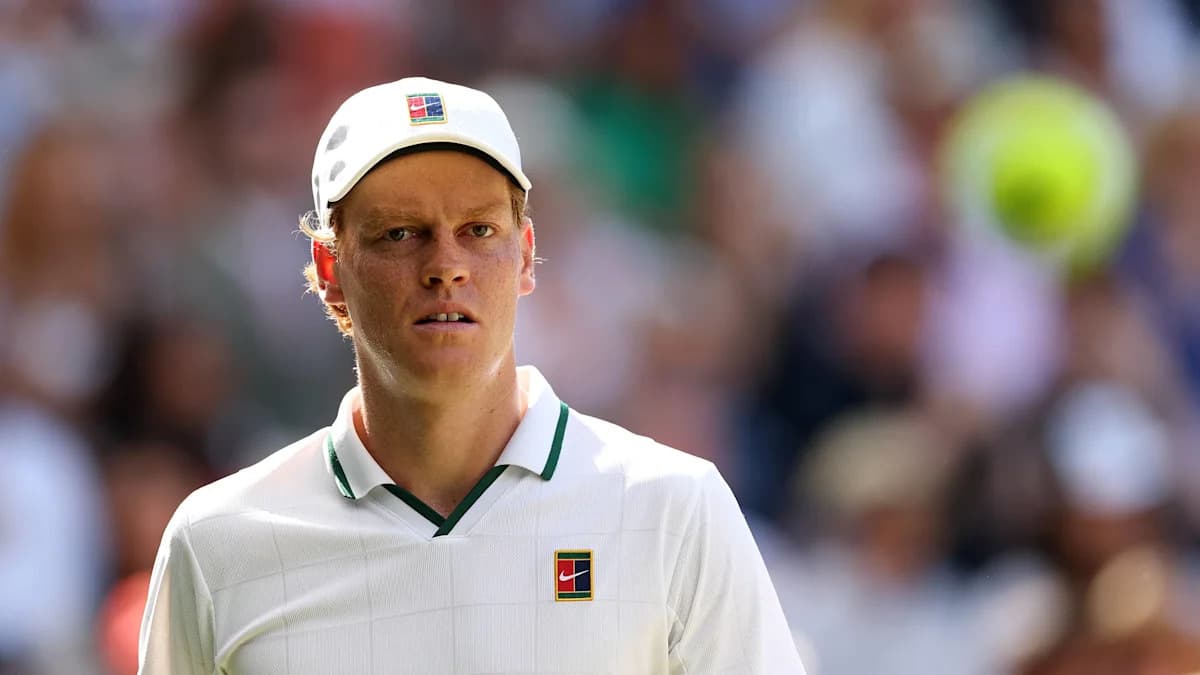
Jannik Sinner Set for ATP 500 Return in Beijing with Novak Djokovic Also Competing
Meet Iva Jovic: The American Tennis Prospect Making Waves
Flavio Cobolli Shares Insights on Practice Session with Jannik Sinner Ahead of Comeback
Till vs Romero: Fight Details, Undercard, and Viewing Info for This Weekend