
Everton Faces £35m Compensation Bill After Burnley PSR Victory
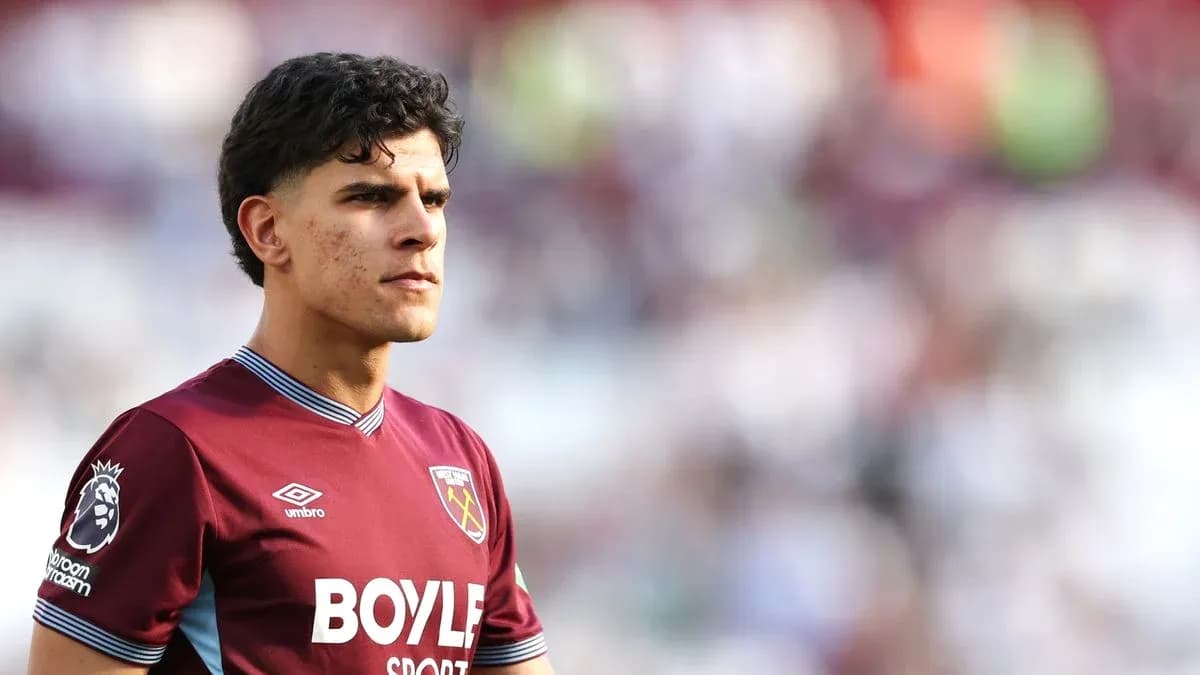
Burnley have landed a seismic legal victory over Everton, with an independent Premier League commission ordering the Merseyside club to pay more than £35 million in compensation over their 2021-22 Profitability and Sustainability Rules breach.
For the Clarets, relegated on the final day of that season, it is a vindication. For Everton, it is an outrage.
The club has already launched an appeal and did not bother to hide its fury.
Everton fury at “dangerous” ruling
In a strongly worded statement, Everton said it was “surprised and angered” by the commission’s decision to award Burnley compensation linked to the PSR breach confirmed in June 2022.
The club insists the ruling is “fundamentally flawed in both law and fact” and flatly rejects the panel’s central conclusion: that Burnley’s relegation from the Premier League in May 2022 was caused by a sporting advantage Everton gained by overspending.
Everton have already served what they describe as a “substantive sporting sanction” for that PSR breach. To now be told they must also pay a rival more than £35m has triggered open confrontation with the league’s judicial process.
The statement pulled no punches. Everton said the decision “sets a dangerous and unworkable precedent for English football,” arguing that the commission has effectively decided a club can be deemed in breach of financial rules at any point within a financial year, not just at its conclusion.
From Goodison’s perspective, that is a legal minefield. Who is harmed, when, and by how much? The club insists the panel has twisted the evidence presented by its legal team and is adamant the appeal will overturn the ruling.
Everton also moved quickly to calm fears over any knock-on effect. The club says it is “confident of its ongoing PSR compliance” and has received confirmation from the Premier League that this ruling should not trigger any further PSR punishment.
Behind the legalese sits a bigger question. If Burnley can successfully claim compensation for relegation linked to a rival’s financial breach, how many other clubs now consider their own cases?
For now, Everton’s focus is clear: fight the decision, protect the balance sheet, and cling to their broader ambition. The statement closed with a message to supporters, insisting ownership remains “focused, with strengthened resolve, on delivering their vision of returning Everton to the top echelon of English football.”
The battle over what that vision costs, and who pays for past mistakes, has only just begun.
Salah still elite – but at what price?
Away from the courtroom drama, the numbers around Mohamed Salah tell a very different story: one of a player whose peak refuses to fade.
Football analysis supercomputer Machine Football rates Salah’s dribbling in the top 0.01% of all attackers in its database. A dribbling score of 99.72, married to a finishing rating of 96.94 and a creativity mark of 97.69, places him among the most complete attacking midfielders the model has assessed anywhere.
This isn’t nostalgia. It’s data.
Run through the system, Salah emerges as a near-perfect tactical fit for Zeki Murat Gole’s 4-2-3-1 at Fenerbahce, with the model judging his compatibility as close to the maximum.
On the pitch, the verdict is emphatic: still elite, still devastating, still worth building around.
Off the pitch, the picture changes. Machine Football flags one major risk – money. A potential wage north of £400,000 per week is identified as the clear danger point in any move, with the model confident about the footballing fit but unconvinced the financial structure could realistically hold.
The machine can crunch billions of data points on performance, transfers and match outcomes. It can map out how Salah would glide into a new system, how he would tilt a league table, how many goals he might add.
What it cannot do is sign the cheques.
Related News
UFC 332 Preview: Natalia Silva vs. Wang Cong Fight Card, Odds, Start Time, and Details
Andy Roddick Responds to Andre Agassi’s Comments on Alexander Zverev at the Laver Cup
Knicks Prepare for Flexible Roles in Title Defense
Rui Hachimura Swaps Lakers Fans to Clippers in Surprising Jersey Exchange

Who Will Be the NBA's Next First-Time All-Stars? Top Picks and Long Shots for 2027
How Strong Is Your Team at Home? Check Out the 2026 Brasileirão Home Standings