
Fifa Bans Reusable Bottles at 2026 World Cup Over Safety Concerns
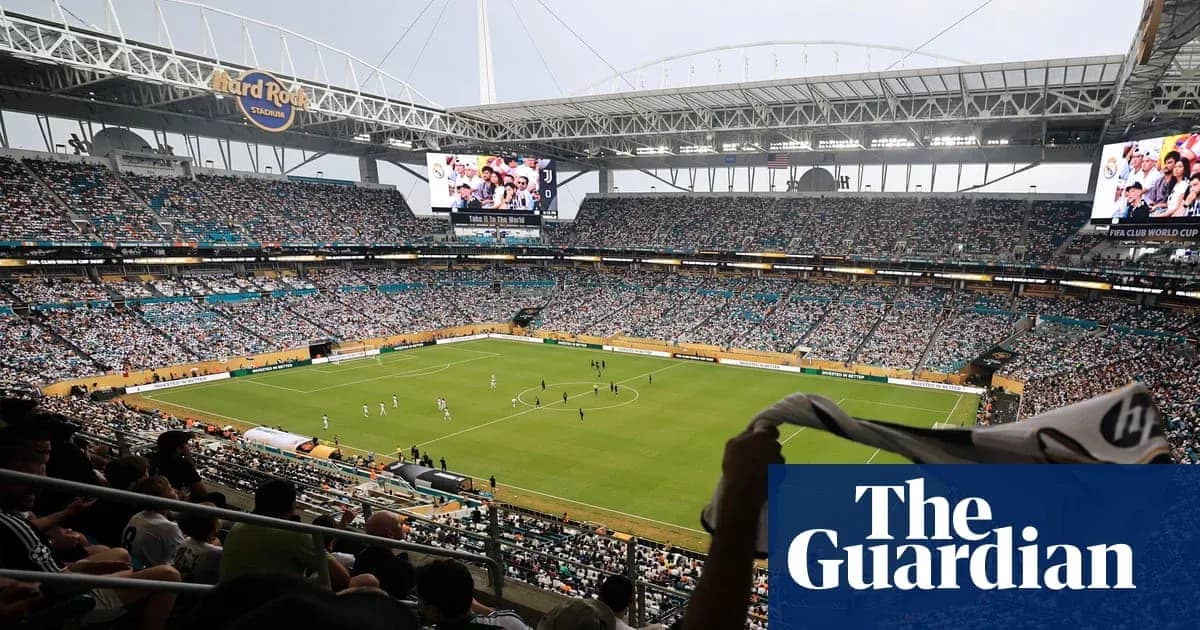
Fans heading to the 2026 World Cup will not be allowed to bring reusable water bottles into stadiums after Fifa introduced a late change to its code of conduct for venues.
The governing body had previously allowed spectators to carry empty, transparent, reusable plastic bottles into grounds. That window has now closed. The updated rules block those items at all tournament stadiums, grouping them with a wider list of objects – including bottles, cups, jars and cans – that Fifa says could be used as projectiles and cause injury if thrown.
“Fifa is committed to protecting the health and safety of all players, referees, fans, volunteers, and staff,” the organisation said in a statement, stressing that the decision to prohibit bottles was taken to “prevent risk and injury to players and attendees”.
In reality, some of the World Cup arenas already operate under similar restrictions for domestic events. Fifa has chosen to standardise that approach across the entire tournament, noting that “outside bottles are already prohibited at several of these venues for safety considerations”.
The timing and scope of the move have unsettled supporters. This is a World Cup that stretches across a continent, into cities where summer temperatures can push fans to their limits. At several venues, forecasts for matchdays sit between 26C and 28C. With reusable bottles off the table, questions quickly followed: how easy will it be to stay hydrated, and at what cost?
Fifa insists it has prepared for the conditions. The organisation says it is working with host city committees and local authorities on “heat mitigation” plans designed to help fans before and after they pass through the turnstiles. Those plans can include misting stations, fans, hydration points, cooling tents and other measures around the stadium footprint.
Inside the perimeter, the issue becomes more pointed. If supporters cannot bring their own bottles, they must buy or access water on site. On that front, Fifa has offered a different kind of reassurance, stating that pricing for water bottles at the 2026 World Cup will “remain consistent with other events held at each stadium”.
That line may not calm everyone. Consistent does not always mean cheap, and memories of steep food and drink prices at major US venues, in particular, are fresh for many travelling fans. The balance between safety, comfort and cost will be tested in real time once the tournament begins.
The 48-team World Cup, co-hosted by the US, Canada and Mexico, runs from 11 June to 19 July. By then, the debate will move from regulations on paper to the reality on concrete concourses, where tens of thousands of fans in summer heat discover whether Fifa’s safety-first stance can coexist with a genuinely fan-friendly experience.
Related News

Wilfred Ndidi’s Marriage Reportedly Ends as He Enters New Relationship

Cristiano Ronaldo's Top 5 Most Valuable Cars in His Extraordinary Collection

Ben Whittaker’s Challenge to Prove Eddie Hearn’s Bold British Boxing Bet
Peter Handscomb on the Challenge of Facing Indian Bowlers

How to Watch UFC 332: Silva vs. Wang Live on CBS and Paramount+ This Saturday

Raul Rosas Jr. Shares His Thoughts on the Shocking UFC Vegas 121 Finish Against Raoni Barcelos