
Fifa Bans Reusable Water Bottles from World Cup Stadiums
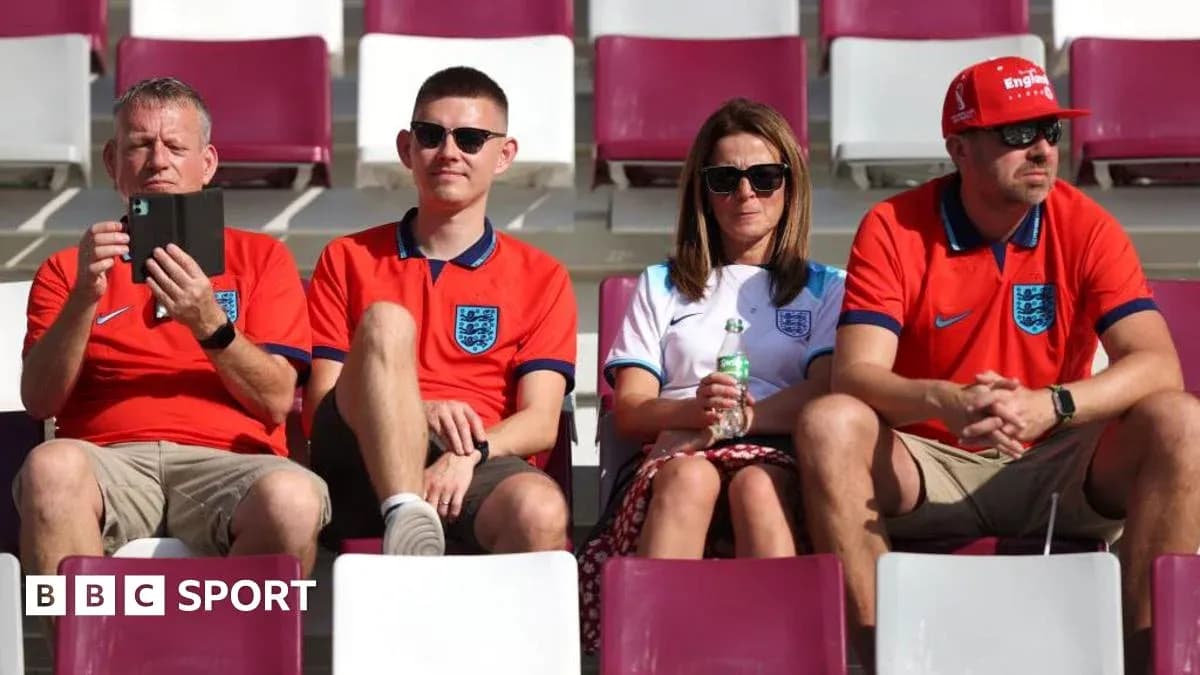
Seven days before the World Cup kicks off on 11 June, Fifa has ripped up one of its own stadium rules and banned fans from bringing in reusable water bottles, triggering anger and fresh concern over supporter safety in extreme heat.
The late policy change means bottles – along with cups, jars and cans – are now prohibited at all World Cup venues, with Fifa arguing the move will reduce the risk of injury from missiles thrown from the stands.
Only days ago, the official stadium code of conduct had been clear: “For the avoidance of doubt, empty, transparent, reusable plastic bottles, up to (1 litre in) capacity, may be brought into the stadium.” That sentence has gone. The U-turn has arrived just as the tournament edges into view.
“Fifa is committed to protecting the health and safety of all players, referees, fans, volunteers, and staff,” it said in a statement, stressing that removing hard objects from the stands would lower the chance of injuries caused by projectiles.
Fans will still be able to buy water inside stadiums, with Fifa pledging that prices will not exceed the usual rates charged at each venue on non-World Cup matchdays. “Inside the stadium footprint, pricing for water bottles for the Fifa World Cup 2026 will remain consistent with other events held at each stadium,” the statement added.
The timing of the move could hardly be more sensitive. Scientists have already warned that Fifa’s heat safety measures for this tournament are “inadequate”, with temperatures at 14 of the 16 host venues expected to exceed dangerous thresholds. Hydration is not a side issue at this World Cup; it is central to whether fans can watch safely.
Fifa insists it is working with local organisers to manage the conditions around matches.
“Fifa works closely with each host city committee and local authorities on heat mitigation factors for fans travelling to the stadium, which can include resources such as misting stations, fans, hydration stations, cooling tents and more around the stadium footprint,” its statement said.
That assurance has done little to calm supporter groups already frustrated by what they see as a tournament pricing out ordinary fans. Complaints over “extortionate” ticket costs and inflated train fares have been growing for weeks. Now, with reusable bottles suddenly banned, many supporters see another hit to their wallets and their comfort.
They have been here before. Fans were also stopped from taking bottles into stadiums at the last World Cup in Qatar, a precedent that left a sour taste and raised similar questions about both safety and cost.
The Free Lions England fans’ group voiced its irritation, calling the decision a “strange, late change”. In a statement on X, it said that in previous talks with Fifa, free water access had been a central demand – and that they had been assured not only that water would be freely available, but that fans would be allowed to bring their own bottles to fill.
“Naturally, the immediate thought from supporters is this is just the latest money-grab,” the group said. With many stadiums open-air and forecast to be sweltering, the request from fans is simple: let people carry an empty bottle.
The fear now is that, without that option, long queues at hydration points and kiosks will test both tempers and health. Free Lions added a pointed final hope: that water fountains inside stadiums will remain free to use – and that fans “aren’t charged in the queue”.
As the countdown to 11 June continues, the World Cup’s first major flashpoint has arrived not on the pitch, but at the turnstiles, where a basic item like a plastic bottle has become a symbol of the battle between safety, profit, and the matchday experience.
Related News

Wilfred Ndidi’s Marriage Reportedly Ends as He Enters New Relationship

Cristiano Ronaldo's Top 5 Most Valuable Cars in His Extraordinary Collection

Ben Whittaker’s Challenge to Prove Eddie Hearn’s Bold British Boxing Bet
Peter Handscomb on the Challenge of Facing Indian Bowlers
How to Watch UFC 332: Silva vs. Wang Live on CBS and Paramount+ This Saturday

Raul Rosas Jr. Shares His Thoughts on the Shocking UFC Vegas 121 Finish Against Raoni Barcelos