
Football Association Bans Solid Walls Around Pitches for Safety

The Football Association has moved to outlaw solid perimeter walls around pitches across large parts of the English game, a decisive safety step that follows the death of former Arsenal youth player Billy Vigar.
Vigar, 21, died after suffering what was described as a “significant brain injury” while playing for Chichester City at Wingate and Finchley FC in September 2025. He is believed to have collided with a concrete wall close to the playing area. The incident forced football to confront a risk that had too often been ignored at non-elite levels: hard structures just yards from the touchline.
After commissioning independent health and safety experts to conduct a review ahead of the 2026-27 season, the FA has now drawn a clear line. Solid brick, breeze block and concrete barriers will no longer be allowed around pitches across the men’s National League system (steps 1-6) and the Women’s National League (tiers 3-4).
In a statement, the FA confirmed that any such existing structures “must be removed as soon as reasonably practicable, or covered with suitable protection if they cannot be removed for structural reasons”. Clubs at the affected levels have been formally notified that they will be required to act.
This is not an overnight demolition order, but it is non-negotiable. Matches can continue at grounds with solid walls only if clubs regularly assess the safety of their perimeter barriers and show they have credible plans to alter or protect them “within a reasonable timeframe”.
Money, as always, could have been a barrier. This time, it will help remove one. The FA and the Premier League have committed funding to support clubs in making the necessary changes, a crucial move for sides operating on tight budgets in the lower reaches of the pyramid.
The rule change arrives against a backdrop of growing pressure. After Vigar’s death, a petition demanding a ban on brick walls around football pitches drew more than 4,000 signatures, amplifying the voices of players, coaches and supporters who had long warned about the dangers.
That public outcry fed into political and institutional pressure. In June 2023, the government and the Professional Footballers’ Association jointly wrote to the FA, Premier League, English Football League and National League, urging them to take a more proactive stance on player safety in this area.
It has taken a tragedy to force the issue to the top of the agenda. Now the concrete is giving way. The question is how quickly clubs across the country can turn this new regulation into real, physical change on the edge of their pitches.
Related News

Carlos Alcaraz Urges an End to Matches Ending in the Early Hours

Carlos Alcaraz Criticizes Late US Open Finish After 3:30 a.m. Match
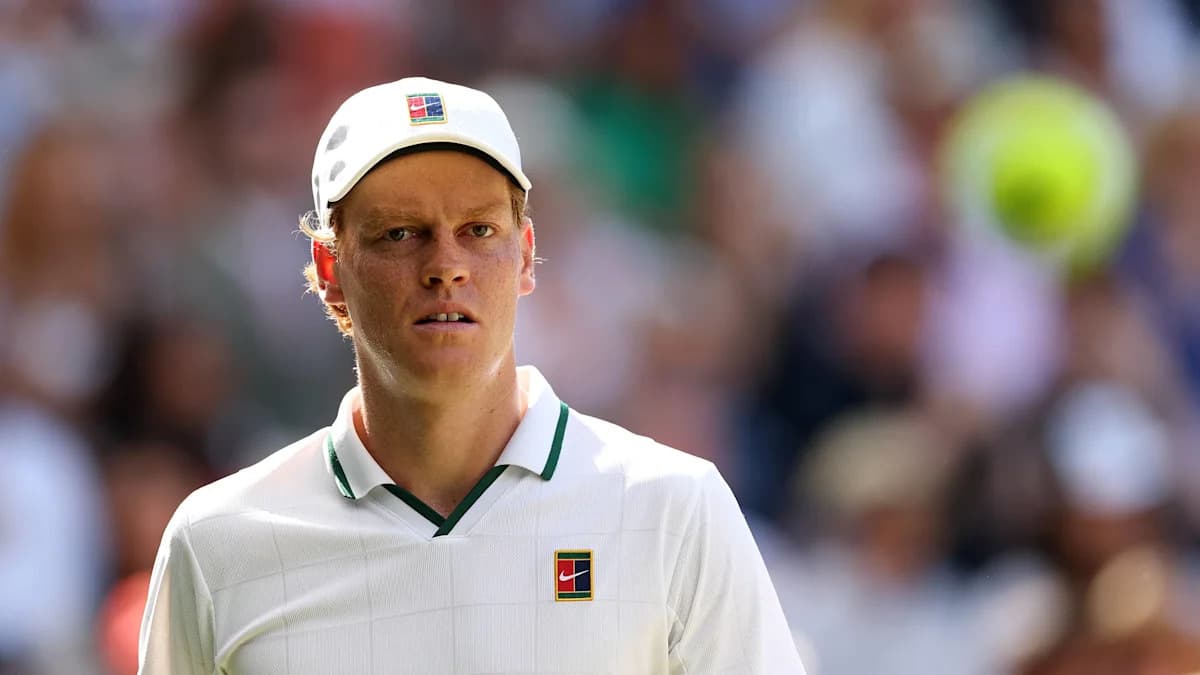
Jannik Sinner Set for ATP 500 Return in Beijing with Novak Djokovic Also Competing

Meet Iva Jovic: The American Tennis Prospect Making Waves

Flavio Cobolli Shares Insights on Practice Session with Jannik Sinner Ahead of Comeback

Till vs Romero: Fight Details, Undercard, and Viewing Info for This Weekend