
Football's Uneasy Build-Up to Budapest: Protests and World Cup Drama
Dublin felt on edge. Officially, it staged a low-key friendly: Ireland 1-0 Qatar. In reality, the football kept sharing the stage with something far louder.
Tennis balls rained down from the stands, bright green missiles bouncing across the Aviva pitch, each stamped with the same demand: “stop the game”. The protests targeted Ireland’s looming Nations League fixtures against Israel, with the scheduled 4 October match in Dublin drawing particular fury. Play stalled several times in the first half as stewards cleared the pitch and players waited, caught in the crossfire of a row that has nothing to do with tactics or team selection, yet engulfs them all the same.
Veteran defender Seamus Coleman had already voiced what many in the dressing room felt: that coach Heimir Hallgrimsson and his squad had been pushed into the firing line by decisions taken far above them. After the final whistle, the sense of unease lingered.
Hallgrimsson did not try to hide his feelings. “Seamus spoke really well about it the other day. We all don’t agree with what’s going on. Ideally it’s not in our hands. It’s not a nice situation to be put into. Like I said, personally, none of us agree with what’s going on.” A 1-0 win over Qatar usually drifts quickly from the memory. This one will not, because the match felt like a rehearsal for an argument that is only just beginning.
A World Cup tug of war: Volpato’s late switch
On another front, the World Cup storylines are already twisting. In Sassuolo, a 22-year-old playmaker is about to redraw his international future.
Cristian Volpato, born in Australia, shaped in Italy, is set to make a shock switch of allegiance from the Azzurri to the Socceroos. Four years ago he turned down the chance to represent his birth country at the World Cup in Qatar. Now, on the eve of another tournament, he wants back in.
The timing is tight. Football Australia is still waiting on Fifa to process the paperwork before Tony Popovic names his 26-man World Cup squad by 1 June. The coach knows Volpato could change the texture of his attack; the player knows this is a sliding-doors moment. If the confirmation arrives in time, an “actual Italian at the World Cup” may be pulling on the gold of Australia, not the blue of Italy.
Pochettino, Pulisic and a stalled ascent
Christian Pulisic is 27 now. For years he has carried the label of “the coming man” of American football, the future that never quite becomes the present. Mauricio Pochettino made it clear he expects more.
“I was disappointed with him [for missing the Gold Cup],” the coach admitted in a briefing with reporters. “I am transparent about that. He was disappointed with our decision not to include him in the two friendly games [against Switzerland and Turkey].”
No sugar-coating, no gentle spin. Pochettino has set a blunt bar: he wants output, not just promise. A single goal target was floated and felt almost modest for a player with Pulisic’s reputation and experience. The message is unmistakable. At 27, the time for potential is over; the time for delivery has arrived.
Havertz and Arsenal’s underdog echo
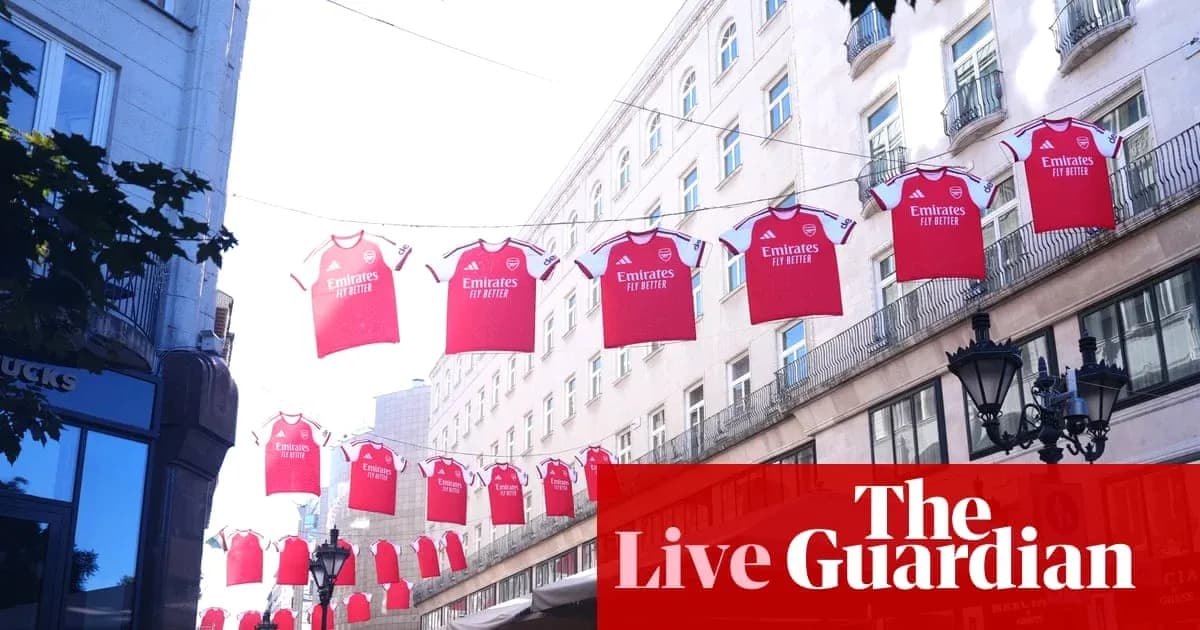
While individual careers twist, a club story gathers pace in Budapest. Arsenal, cast as underdogs against Paris Saint‑Germain, have heard this script before. So has Kai Havertz.
He carries his own Champions League history into Saturday’s final. He remembers Porto, remembers Chelsea under Thomas Tuchel walking into a final against a Manchester City machine that had just won the Premier League by 12 points. Chelsea had limped home fourth, another seven points back. Nobody fancied them. They won.
“Havertz is looking ahead to Arsenal’s final against Paris Saint-Germain in Budapest on Saturday, when not many give them a chance of winning. It was the same when Chelsea, managed by Thomas Tuchel, took on a formidable City assembled by Pep Guardiola that had won the Premier League by 12 points. Chelsea had finished fourth, a further seven points adrift.
‘We were the underdogs on that day, for sure,’ Havertz says. ‘We hadn’t had the best season. But now it is completely different.’”
Different, but familiar. Arsenal arrive with scars, belief and a forward who knows exactly how it feels to tear up the odds on the biggest stage.
A World Cup overshadowed by conflict
The World Cup itself is less than a fortnight away, yet the usual buzz has been replaced by a knot of anxiety. One fixture in Los Angeles tells you why.
“Ever since the US and Israel attacked Iran on 28 February, there has been uncertainty surrounding this World Cup fixture in Los Angeles.
There were conflicting signals whether the Islamic Republic of Iran would allow the national football team to travel to the home of its attacker, and whether the US would welcome Team Melli. With kick-off now weeks away, it appears the game will go ahead as planned. Still, there is the possibility of protests by the large local Iranian population in ‘Tehrangeles’, many of whom fled the 1979 revolution, and acts of defiance by players. It’s more than a football story.”
The line between sport and geopolitics, always fragile, feels paper-thin here. From Dublin’s tennis balls to potential demonstrations in California, the game keeps finding itself dragged into the front line of global tension.
Arsenal’s narrow path against PSG
Back to Budapest, where the margins look brutal. Jonathan Wilson’s tactical lens has already zoomed in on the areas that may decide the final.
“Although PSG have scored more goals from non-penalty set plays than Arsenal in the Champions League this season (eight to five), it probably is reasonable to assume that corners and free-kicks offer Arsenal’s best chance of a goal. But the biggest danger to Arsenal is probably a counterattack. Most opponents sit deep against PSG, especially in Ligue 1, but the evidence of PSG’s wins over Chelsea, Liverpool and Bayern Munich is that they are lethal in transition.”
The warning is stark. Allow PSG’s runners space and they will shred you.
“Arsenal cannot let Desiré Doué or Khvicha Kvaratskhelia get a run on whoever they have at full-back. Both are rapid, supreme dribblers and terrifyingly direct. And full-back is an issue for Arsenal, especially on the right. Ben White is out with a knee injury and Jurriën Timber is doubtful with a groin problem sustained against Everton in mid-March.”
That right flank looms as a fault line. One mistimed step, one turnover, and Doué or Kvaratskhelia could turn a tight final into a chase.
Fresh legs, heavy stakes
If Arsenal must stretch every sinew, PSG have managed their resources with almost cold precision. Luis Enrique has treated Ligue 1 like a laboratory, rotating heavily to keep his core sharp for nights like this.
“Luis Enrique has regularly rested his players from Ligue 1 games. So, even though PSG have played a lot of matches, their most important players have been rotated heavily and should go into this weekend’s final relatively fresh.
Many of PSG’s best players have played very little domestic football this season. Ballon d’Or winner Dembélé started just 11 of their 34 Ligue 1 games; Neves, Mendes and Fabián Ruiz made 13 starts each; Kvaratskhelia 18, Doué and Hakimi 16, and Marquinhos 11. And it’s not like they come off the bench all that much, either. Not one of them has played even half their team’s minutes in Ligue 1 this season.”
Those numbers tell their own story. PSG have kept their stars in reserve, banking energy for 90 minutes – or 120 – that will define their season.
Budapest at the centre of it all
“Good morning, football. It’s all on Saturday, Budapest and the Champions League final. The capital cities of England and France decamped to the capital of Hungary. Plenty of buildup to that to come, and further news as the transfer market begins to key into action, plus World Cup news.
Join us.”
From Dublin’s protests to Los Angeles’ looming flashpoint, from Volpato’s change of heart to Pulisic’s stalled rise, the sport feels restless, pulled in every direction. On Saturday night in Budapest, for a few hours at least, everything narrows to a single pitch and a single question: can Arsenal crack PSG’s polished machine, or will fresh legs and ruthless transitions carry the Parisians to the crown they have chased for so long?
Related News

Wilfred Ndidi’s Marriage Reportedly Ends as He Enters New Relationship
Cristiano Ronaldo's Top 5 Most Valuable Cars in His Extraordinary Collection
Ben Whittaker’s Challenge to Prove Eddie Hearn’s Bold British Boxing Bet
Peter Handscomb on the Challenge of Facing Indian Bowlers
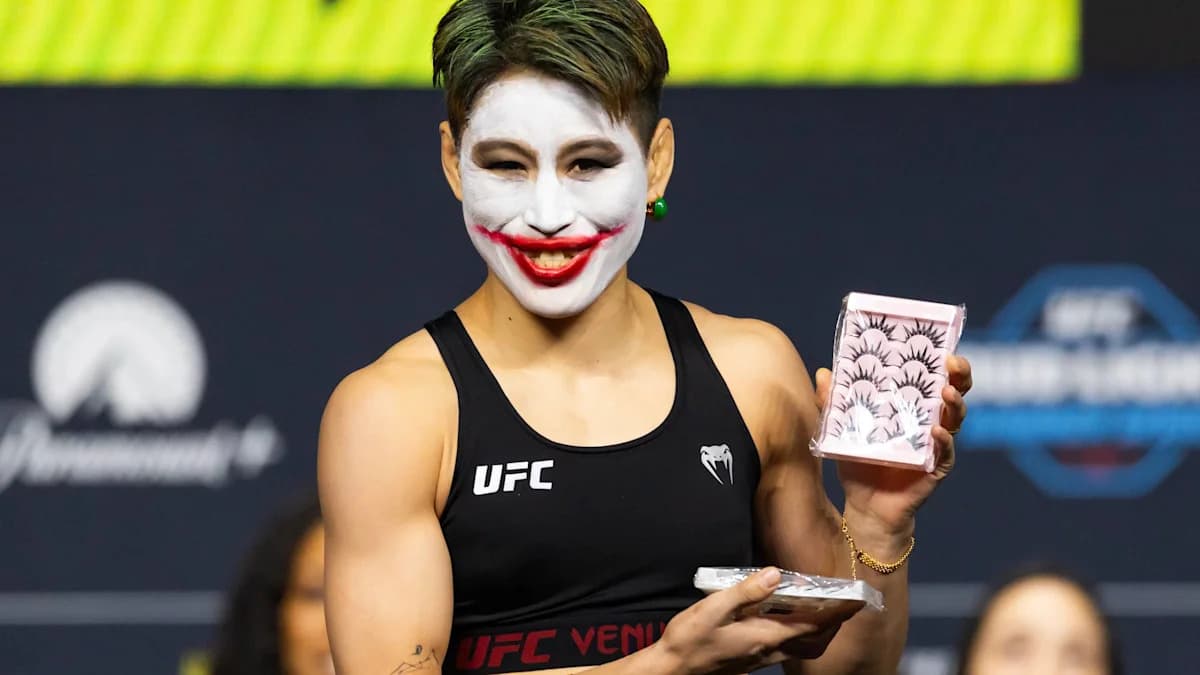
How to Watch UFC 332: Silva vs. Wang Live on CBS and Paramount+ This Saturday
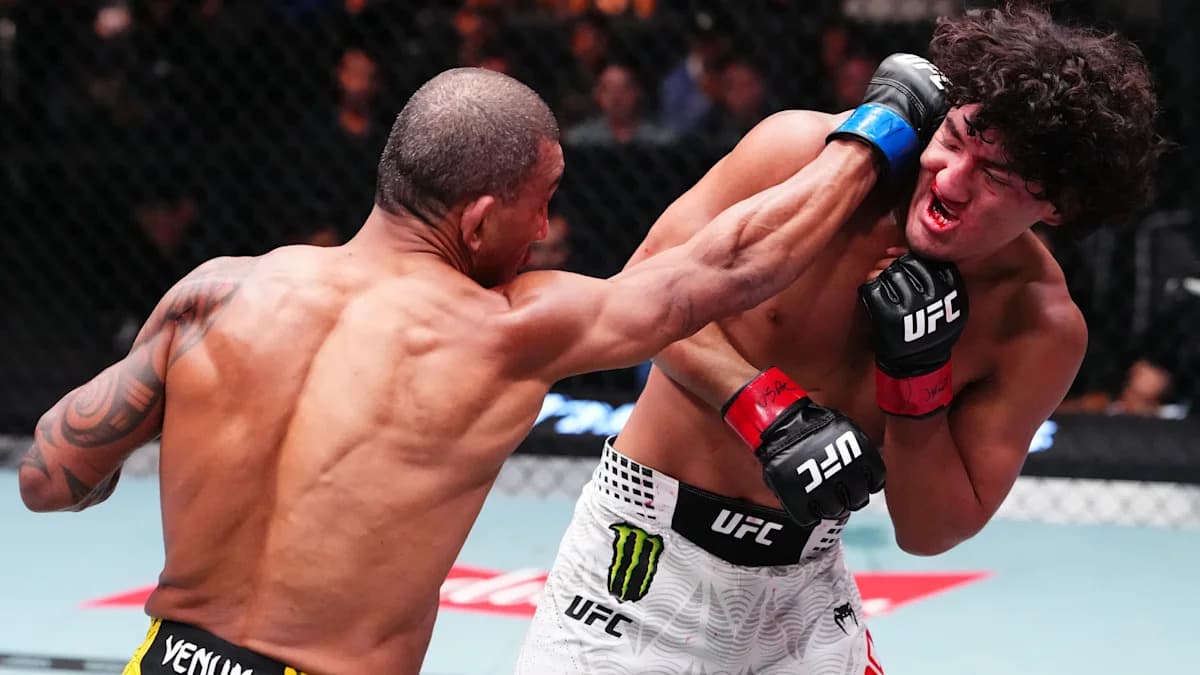
Raul Rosas Jr. Shares His Thoughts on the Shocking UFC Vegas 121 Finish Against Raoni Barcelos