
France's World Cup Quest: A Legacy in the Making
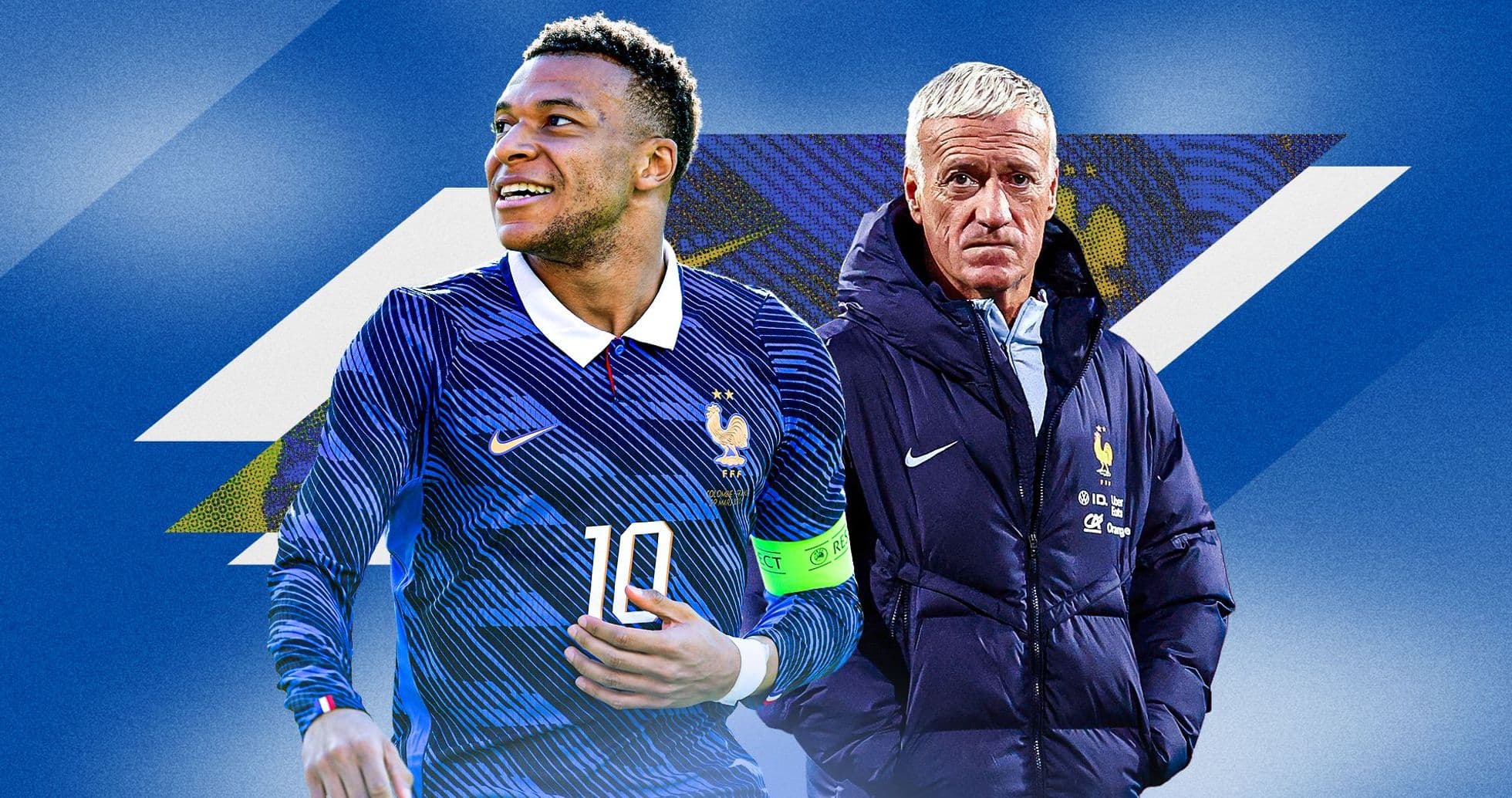
France arrive in North America with the weight of a dynasty on their shoulders and the aura to match. World champions in 2018, runners-up in 2022 – this is no passing golden generation. It is a machine that has kept rolling, reshaped and rearmed, and now stares down another major tournament as one of the sides to beat.
You do not need the history books to understand why. Just look at the front line.
Kylian Mbappe, still the reference point and the face of the nation, leads an attack that feels almost unfair. Behind and around him, Michael Olise, Desire Doue and Ousmane Dembele bring a mix of electricity, imagination and cold, clinical end product that few national teams in the world can even approximate, let alone match. Between Bayern Munich and Paris Saint-Germain, France’s forwards have been forged at the very top of the European game, arriving in peak form and brimming with confidence.
Stack those names up against any other squad on the planet. On paper, no one has more attacking depth, no one has more ways to hurt you.
The doubts lie elsewhere.
France’s defence has creaked more often than Deschamps would like, and the concern over William Saliba’s fitness hangs over the camp like a stubborn cloud. When the back line has been exposed, it has not always reacted with the authority of a champion. Opponents know that if they can survive the waves of blue in attack, there are spaces to be found at the other end.
Then there is the eternal French question: the dressing room.
This is a group that has not always been easy to steer. Personalities, egos, expectations – all amplified by the scrutiny that follows Les Bleus everywhere. Keeping that room united, aligned and focused may prove a bigger test than any tactical puzzle. If the chemistry holds, if the fractures stay beneath the surface, France have the talent to play in New Jersey on the final day. If not, the fault lines will show quickly.
At the heart of all this stands Didier Deschamps, a man who has spent years dividing opinion yet stacking up trophies.
Criticised for his pragmatism, questioned for his man-management, Deschamps has quietly overseen one of the most successful eras in international football. Since taking charge in 2012, he has rebuilt a national team that looked spent at the end of Laurent Blanc’s cycle and turned it into a relentless tournament force.
The record is stark. World Cup winners in 2018, dismantling Croatia in the final in Moscow. UEFA Nations League champions in 2021 after beating Spain in Milan. Two more finals reached: Euro 2016, lost in Paris to Eder’s extra-time strike for Portugal, and the 2022 World Cup epic against Argentina, decided only on penalties after one of the greatest matches the competition has seen.
This summer closes that chapter. Deschamps’ contract runs out in July and will not be renewed. After almost 15 years in charge, this is his last tournament, his last attempt to shape the story of Les Bleus from the touchline. It is, quite literally, his final dance.
All eyes, naturally, drift first to Mbappe. Captain, number 10, emblem of an era. Yet the player who could tilt this tournament in France’s favour might be the one gliding in from the flank in Bayern colours.
Michael Olise has arrived.
The winger has just completed another outstanding Bundesliga campaign, once again hitting double figures for both goals and assists. His influence did not stop at the domestic border: in the Champions League he produced elite numbers, stamping his authority on the biggest stage. The 6-1 demolition of Atalanta in Bergamo was his calling card – two goals, one assist, and a performance that felt like a statement to the rest of Europe.
Olise attacks with a rare blend of creativity and ruthlessness. He does not simply decorate games, he decides them. His hat-trick against Northern Ireland in France’s final warm-up match underlined the point: he arrives in North America not as a prospect, but as a fully formed match-winner. At 24, this tournament could define his trajectory, elevating him from rising star to undisputed leader for both club and country.
Behind the headline names, another talent waits quietly for his moment.
Maghnes Akliouche, a product of Monaco’s famed academy, has been edging into the spotlight. Deschamps brought him into the senior setup during qualifying, and the midfielder responded immediately: a goal against Azerbaijan, an assist against Iceland. No nerves, just impact.
Last season, Akliouche truly stepped forward. Seven goals and twelve assists across Ligue 1 and the Champions League marked him out as one of the most productive young attacking midfielders in Europe. Operating primarily on the right in a 4-2-3-1, but equally comfortable drifting inside as a central creator, he offers a modern profile – not the slight, delicate winger of old, but a player who marries physical presence with sharp technique.
He will not start every game. He may not start many at all. Yet he feels like the kind of option that wins tournaments: a fresh, fearless substitute who can change the rhythm of a match in 20 minutes, unlock a deep block, or exploit tired legs when the stakes are highest.
France travel with history behind them, firepower in front of them and questions still to answer. Deschamps has one more shot to turn this era into something truly unparalleled.
If the stars align, if the dressing room holds and the defence tightens just enough, who stops them?
Related News
UFC 332 Preview: Natalia Silva vs. Wang Cong Fight Card, Odds, Start Time, and Details
Andy Roddick Responds to Andre Agassi’s Comments on Alexander Zverev at the Laver Cup
Knicks Prepare for Flexible Roles in Title Defense
Rui Hachimura Swaps Lakers Fans to Clippers in Surprising Jersey Exchange

Who Will Be the NBA's Next First-Time All-Stars? Top Picks and Long Shots for 2027
How Strong Is Your Team at Home? Check Out the 2026 Brasileirão Home Standings