
Gianni Infantino Under Scrutiny Over Trump Ties
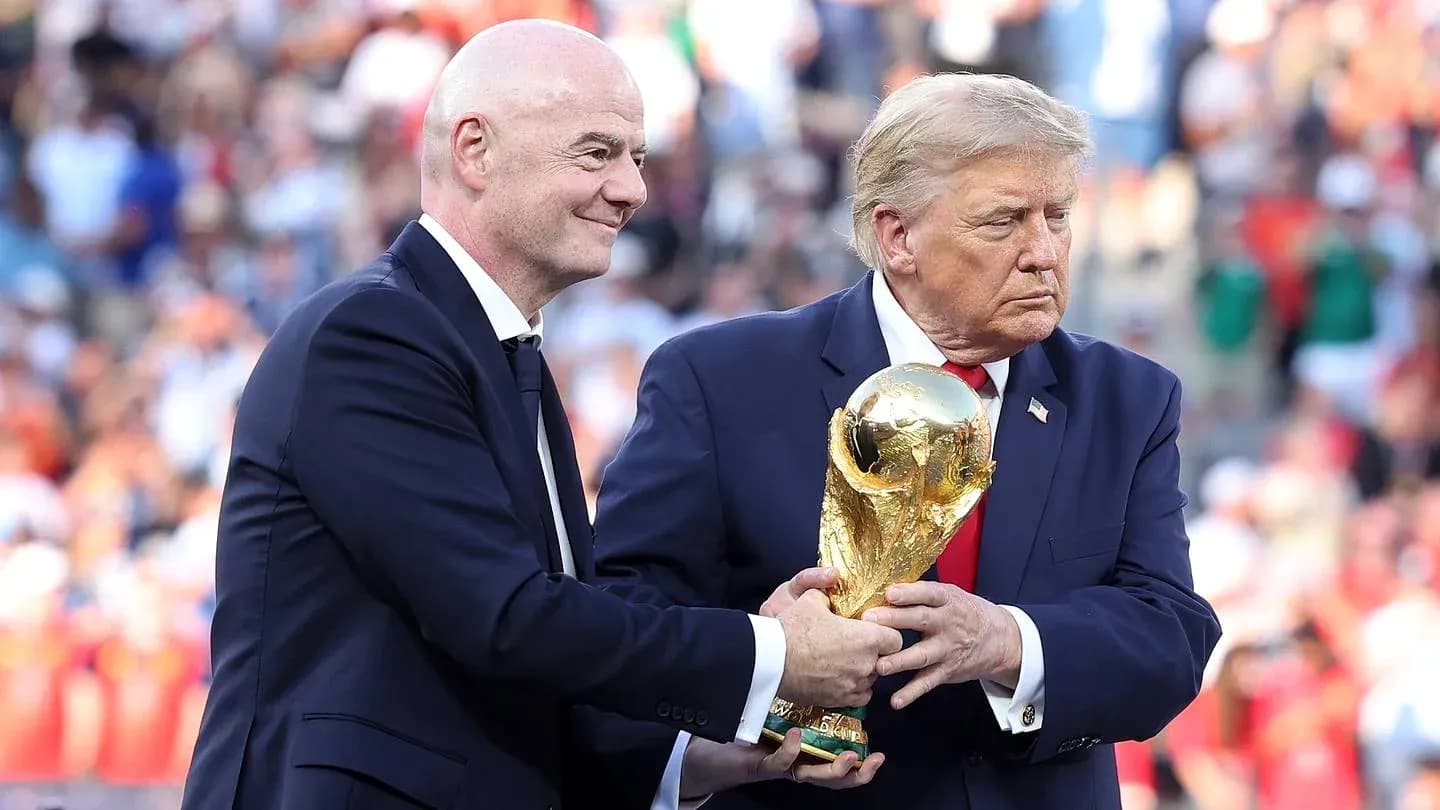
Gianni Infantino has been pulled into the heart of Washington’s political storm.
The FIFA president has been asked to appear before the House Judiciary Committee to explain, in detail, the depth of his relationship with U.S. President Donald Trump and the influence that relationship may have had on world football’s governing body.
A Relationship Under the Microscope
Infantino and Trump have long been seen as close allies. That bond, once framed as a powerful partnership between sport and politics, is now being scrutinized as a potential conduit for undue influence.
The flashpoints are clear. Infantino awarded Trump the first-ever FIFA Peace Prize. He claimed an office in Trump Tower in New York. The World Cup draw was shifted to Washington’s John F. Kennedy Center, a venue that had effectively been taken over by Trump’s team. Each decision raised eyebrows. Together, they now form a pattern lawmakers want to interrogate.
The tension escalated during this summer’s World Cup. Trump personally reached out to Infantino to push for the lifting of a ban imposed on USMNT striker Folarin Balogun. The ban was removed. The fallout was immediate. Norway’s Football Federation, already a persistent critic of Infantino’s leadership, filed a formal complaint, accusing FIFA of bending to political pressure.
That episode has become a central piece of the case against Infantino in Washington.
Raskin Turns Up the Heat
Rep. Jamie Raskin, a senior Democrat on the House Judiciary Committee, has now moved from criticism to formal action. In a sharply worded letter, he requested that Infantino sit for an interview before the committee to discuss his relationship with Trump, including any off-the-record dealings away from the pitch.
Raskin did not mince his words.
“The most recent quid pro quo that FIFA and President Trump orchestrated is not a victimless crime,” he wrote. “It hurts Americans.
“FIFA has taken its newfound favored status in the Trump Administration as a sign that it may rip off its consumers, most notably, by employing illegal price gouging and fraudulent sales tactics for the World Cup.”
The letter goes further, drawing a direct line between Infantino’s conduct and the disgraced tenure of his predecessor, Sepp Blatter. Raskin likens the current allegations to the corruption cases that toppled Blatter, accusing FIFA of “outright bribery” and claiming that Americans have been “defrauded and manipulated” over the soaring costs tied to the World Cup.
Those finances are already under separate investigation by New Jersey attorney general Jennifer Davenport, adding another legal front to FIFA’s mounting troubles in the United States.
Evidence, Emails, and a Transcribed Interview
Raskin’s letter does more than ask questions. It lays down markers.
It “serves as notice” that Infantino must preserve and be prepared to provide all communications “between FIFA personnel and individuals affiliated with the Trump Administration or its inaugural committee.” That demand stretches from formal correspondence to any behind-the-scenes exchanges that could shed light on how decisions were made.
Infantino is also requested to attend a transcribed interview, where he would be expected to defend his dealings with Trump under oath-like conditions, with every word recorded and preserved.
For a FIFA president who has spent years insisting that the organization has turned the page on its corruption-plagued past, the optics are brutal: another confrontation with U.S. investigators, another fight over trust, money, and power.
Political Reality and the 2031 World Cup Shadow
For all the sharp language, Raskin’s immediate leverage is limited. Democrats sit in the minority in the House, which means he currently lacks the votes to compel Infantino, FIFA, or Trump to hand over documents or testimony.
That could change. November’s midterm elections loom over the entire saga. A Democratic surge would alter the balance of power and potentially give Raskin the majority support needed to push for subpoenas and formal legal action.
There is also a wider footballing horizon to consider. The process of awarding hosting rights for the 2031 Women’s World Cup is expected to draw intense scrutiny. The tournament is projected to be co-hosted by the U.S., Mexico, Costa Rica, and Jamaica. Any fresh allegations of political favoritism or financial misconduct could poison that bid process before it even formally begins.
For FIFA, the stakes go beyond one man’s relationship with a sitting president. The organization’s credibility as a global regulator of the game is once again in question, particularly in one of its most lucrative markets.
White House Strikes Back
The White House has not taken the attack lying down.
Asked by The Athletic to respond to Raskin’s letter, spokesperson Davis Ingle delivered a blistering statement aimed squarely at the congressman.
“Lightweight Jamie Raskin [is] a stupid person’s idea of a smart person,” Ingle said. “No other president in history could have pulled off the historic feat that President Trump delivered for the American people and the world.
“Thanks to his bold vision and decisive leadership, the 2026 FIFA World Cup generated billions of dollars in revenue, created a massive economic boost across host cities, and delivered a safe, secure and seamless experience for millions of fans and athletes from around the globe.
“It will undoubtedly go down as one of the greatest and most successful sporting events in history.”
That response leaves no room for compromise. On one side, a senior lawmaker casting FIFA’s conduct as a corrupt bargain that harms American fans. On the other, a White House framing Trump’s partnership with FIFA as a triumph of leadership and economic success.
Infantino now stands in the middle of that collision, facing questions not just about how he runs world football, but about how deeply he has allowed politics into its core. The next move may not be his to make; it could be decided at the ballot box in November.
Related News

Wilfred Ndidi’s Marriage Reportedly Ends as He Enters New Relationship
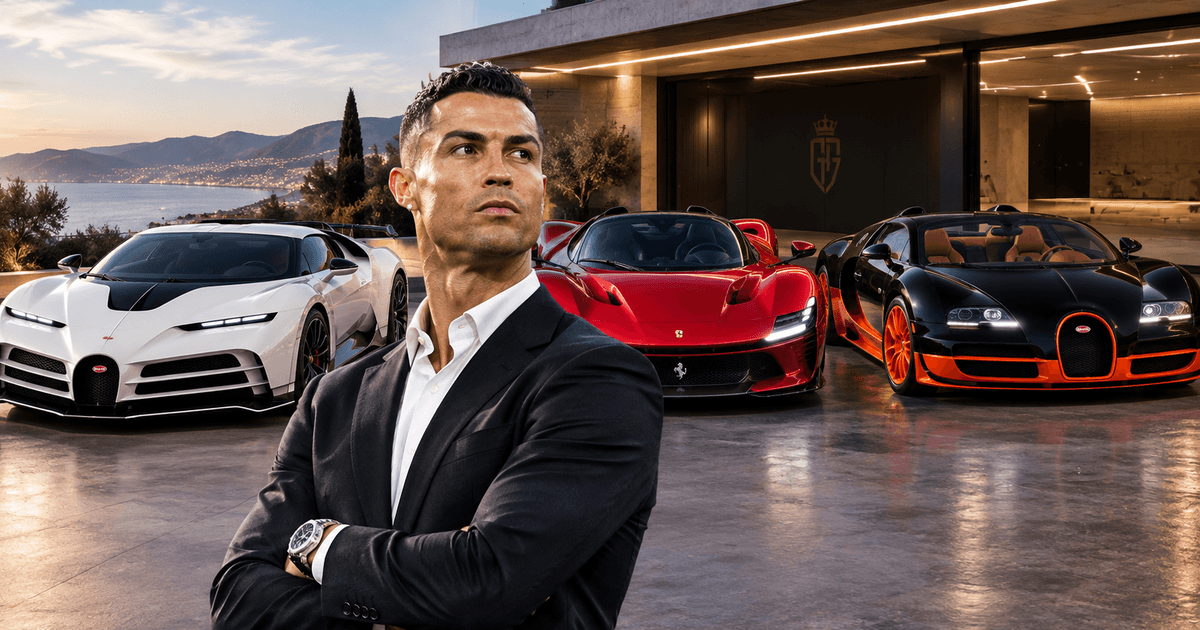
Cristiano Ronaldo's Top 5 Most Valuable Cars in His Extraordinary Collection
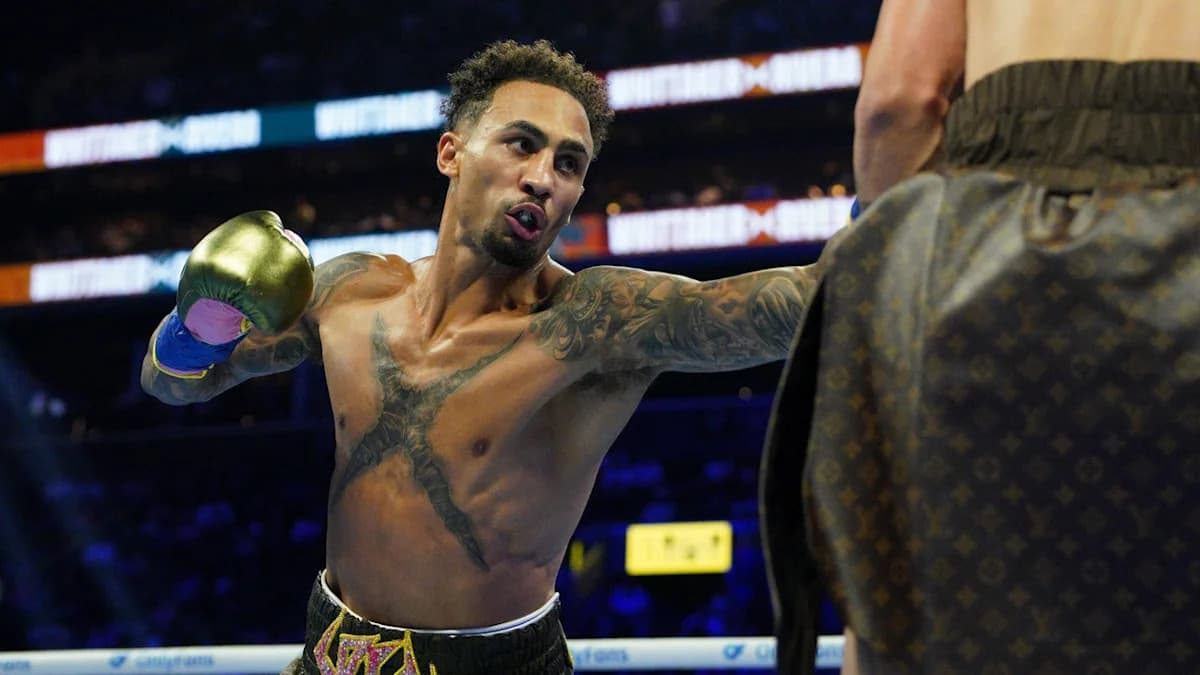
Ben Whittaker’s Challenge to Prove Eddie Hearn’s Bold British Boxing Bet
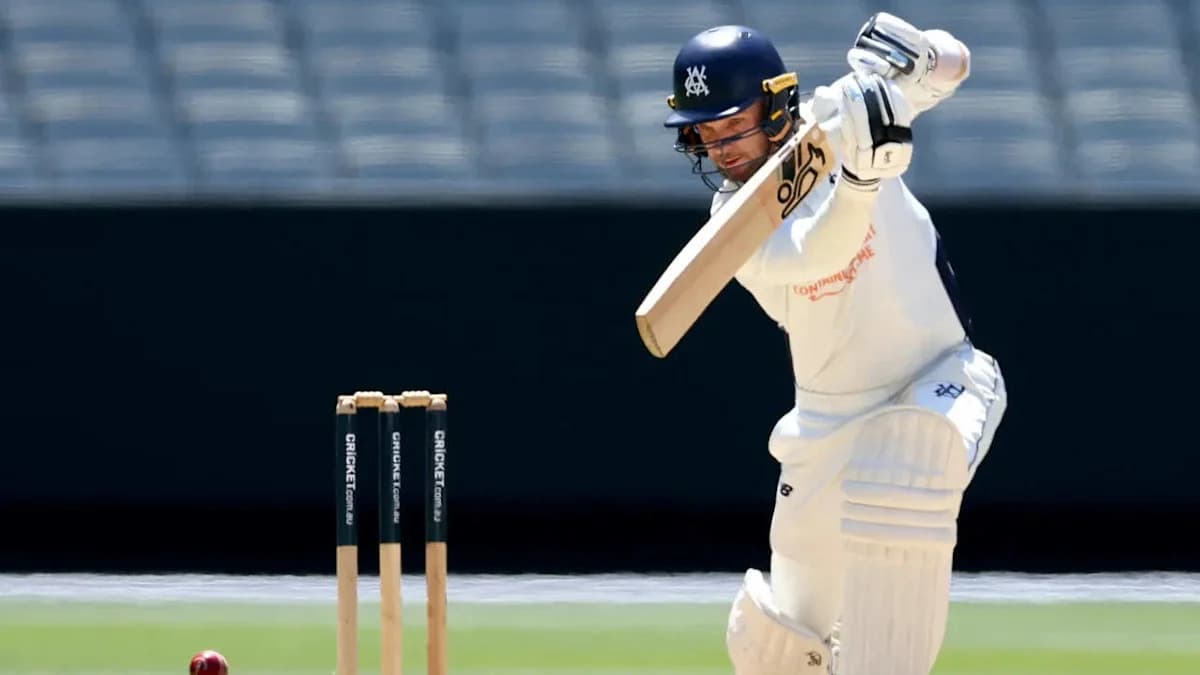
Peter Handscomb on the Challenge of Facing Indian Bowlers
How to Watch UFC 332: Silva vs. Wang Live on CBS and Paramount+ This Saturday
Raul Rosas Jr. Shares His Thoughts on the Shocking UFC Vegas 121 Finish Against Raoni Barcelos