
Greenville Triumph's Home Dominance Shines in 3–1 Victory Over Loudoun United
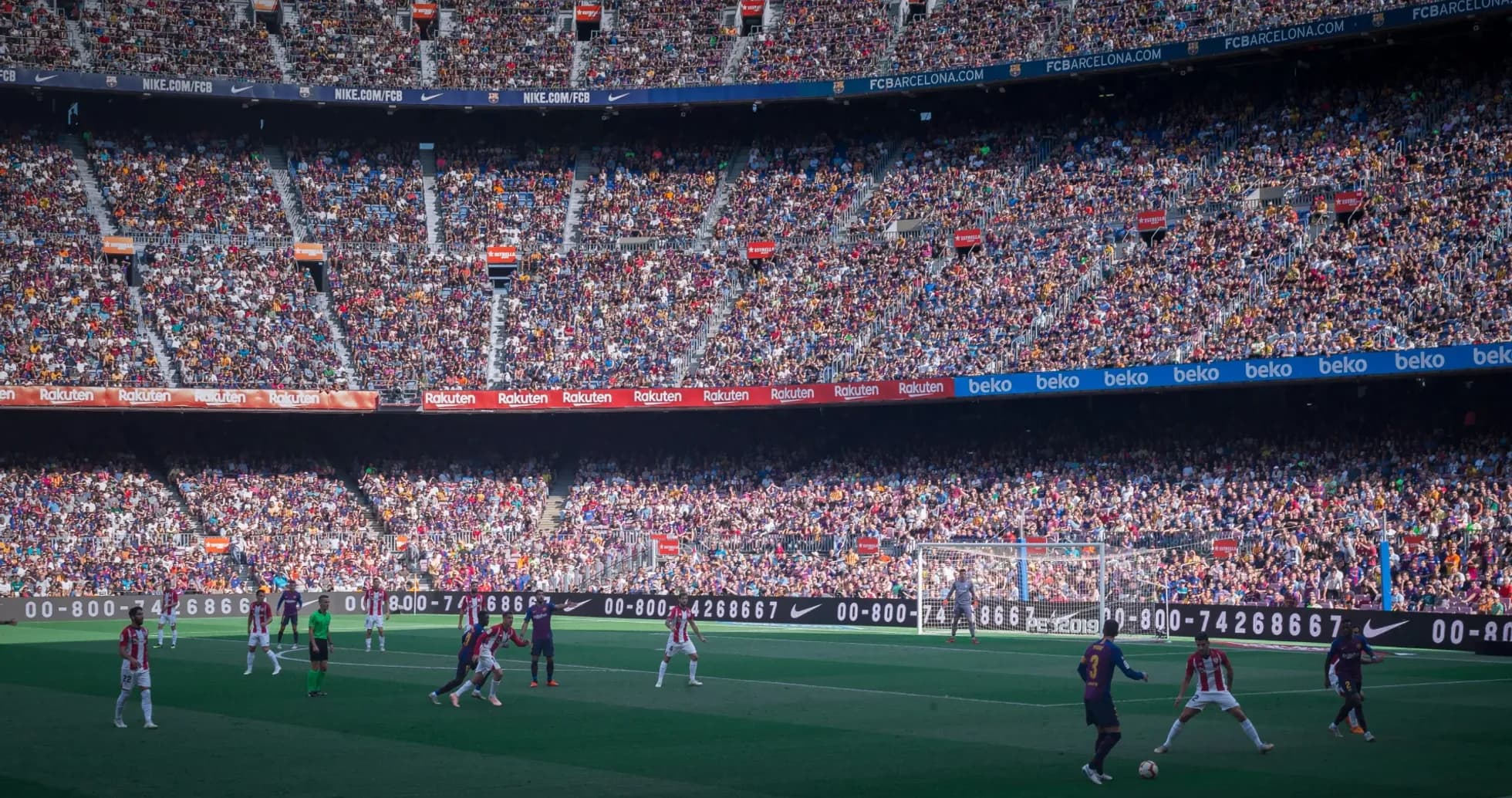
Under the lights at Paladin Stadium, Greenville Triumph’s 3–1 win over Loudoun United felt less like a routine group-stage fixture and more like a declaration of intent in the USL League One Cup. Heading into this game, both sides had worn the scars of early inconsistency. Following this result, Greenville’s campaign snaps into sharper focus: a home side that bleeds goals on its travels but becomes something altogether more assertive on its own turf.
I. The Big Picture – Group 6 rebalanced
This was Group 6 football in its rawest form: two teams carrying identical overall goal differences of -1 into the night, each desperate to tilt the margins in their favor. Greenville arrived with 3 points from 2 matches, their overall record reading 1 win and 1 loss, 3 goals for and 4 against. Loudoun, slightly further along in their schedule, had 3 points from 3 games, 4 goals for and 5 conceded.
The contrast in home and away personas framed the narrative. At home, Greenville had been ruthless going forward: 3 goals scored and just 1 conceded in their only previous outing, an average of 3.0 goals for and 1.0 against. Away, they had been humbled 3–0, their total average of 1.5 goals scored and 2.0 conceded reflecting a side still learning to travel.
Loudoun’s profile was more balanced but less explosive. On their travels they had scored 1 and conceded 3, averaging 1.0 goal for and 3.0 against away from home. Their overall attacking output – 4 goals in 3 matches, an average of 1.3 – hinted at a team capable of creating, but not yet imposing.
Against that statistical backdrop, Greenville’s 3–1 home win did more than just correct their goal difference at Paladin Stadium; it confirmed a pattern. At home, they can overwhelm.
II. Tactical Voids and Discipline – Edges in the margins
There were no listed absences or injuries to distort the tactical canvas, so both Dave Dixon and Anthony Limbrick were working with full decks. That made the choices in personnel and game model even more revealing.
Greenville’s season-long disciplinary profile had already suggested a certain emotional volatility late in games. Heading into this fixture, 75.00% of their yellow cards had arrived in the 76–90 minute window, with the remaining 25.00% between 16–30 minutes. It painted a picture of a side that starts on the edge and finishes on the brink. Loudoun, by contrast, spread their cautions more evenly, with 37.50% of their yellows between 46–60 minutes and another 25.00% in the 76–90 range, plus smaller spikes at 31–45 and 61–75.
In a tight group-stage environment, those patterns matter. Greenville’s late-game bookings speak to a team that defends leads with aggression rather than composure. Loudoun’s more evenly distributed yellows suggest a side that struggles to reset its emotional thermostat across phases of the match, particularly just after half-time.
In this match, that discipline gap became a subtle tactical advantage for Greenville. Protecting a lead at home suits their temperament; they are accustomed to walking the disciplinary tightrope late on, and the 3–1 scoreline allowed them to manage risk rather than chase the game.
III. Key Matchups – Hunter vs Shield, Engine Room vs Enforcer
Without explicit individual scoring or assist data from the competition, the “Hunter vs Shield” duel is best understood through the collective roles on the team sheets.
For Greenville, the attacking spearhead was defined by the front pairing and supporting runners: W. Akio wearing 10 and A. Liadi in 19, backed by the midfield craft of C. Herrera (8) and the work rate of C. Evans (18) and D. Boyce (7). Against a Loudoun back line anchored by J. Erlandson (24) and S. Mazzaferro (5), with full-backs L. Piras (33) and N. Adnan (2), Greenville’s mission was clear: turn their superior home scoring rate into repeated, high-quality entries into the final third.
Loudoun’s “shield” had not traveled well. On their travels, they had conceded 3 goals in a single match, matching Greenville’s own 3-goal home haul heading into this encounter. The collision of Greenville’s 3.0 home goals-for average with Loudoun’s 3.0 away goals-against average was always likely to define the night. The final 3–1 scoreline felt almost inevitable in retrospect: the Hunter found the cracks in the Shield exactly where the numbers predicted.
In the engine room, the battle was more nuanced. For Loudoun, B. Akinyode (21) offered the pivot, flanked by the technical profiles of J. Murphy (8) and J. Panayotou (16). Their task was to disrupt Greenville’s rhythm, prevent Herrera and Evans from dictating tempo, and supply the front duo of R. Aman (19) and T. Ulfarsson (17).
Yet Greenville’s midfield triangle, even without explicit positional data, imposed itself through structure and synergy. Boyce’s energy, Herrera’s link play, and Evans’ balance between lines allowed the home side to compress the pitch and keep Loudoun’s forwards facing their own goal for long stretches. The fact that Loudoun failed to keep a clean sheet away once again – they still have 0 away clean sheets and only 1 overall – underlines how that midfield battle tilted toward the hosts.
IV. Statistical Prognosis – What this result tells us about both squads
Following this result, Greenville’s group narrative is that of a home-dominant side whose attacking ceiling at Paladin Stadium is high enough to trouble anyone in Group 6. Overall, they now have 3 goals scored and 4 conceded in 2 matches, but the split is stark: 3–1 at home, 0–3 away. Their inability to keep a clean sheet (0 in total) remains a concern, yet their failure to score has only occurred on their travels. In cup football, that kind of home reliability is a powerful foundation.
Loudoun, meanwhile, remain an enigma. Their overall figures – 4 goals for and 5 against across 3 matches – suggest competitiveness, but the away pattern is alarming: 1 goal scored, 3 conceded, and no clean sheets. Their single home clean sheet indicates they can be compact in familiar surroundings, but their defensive structure disintegrates on the road.
From an xG-style perspective, even without explicit Expected Goals data, the trends are clear. Greenville’s chance volume and conversion at home, combined with Loudoun’s defensive vulnerability away, point toward a repeatable edge rather than a one-off outlier. The 3–1 scoreline aligns neatly with Greenville’s 3.0 home goals-for average and Loudoun’s 3.0 away goals-against average heading into the game.
Tactically, the lesson for future opponents is straightforward: Greenville at Paladin Stadium must be denied rhythm in midfield and early service into Akio and Liadi. For Loudoun, the path forward is more complex. They need to harden their away defensive shell, perhaps by tightening the space in front of Erlandson and Mazzaferro and giving Akinyode more protection, while preserving enough attacking thrust from Aman and Ulfarsson to avoid being pinned back.
In Group 6 terms, this match did not just shuffle the standings; it clarified identities. Greenville Triumph are emerging as a home-driven, front-foot cup side. Loudoun United, for all their talent, remain a team still searching for an away personality sturdy enough to survive nights like this.
Related News

Louisville City Edges Detroit City in Penalty Shootout
Lexington vs Indy Eleven: USL League One Cup Showdown

Detroit City vs Louisville City: USL League One Cup Showdown

Lexington vs Indy Eleven: USL League One Cup Group Stage Preview

Detroit City vs Louisville City Match Preview

Lexington vs Indy Eleven: USL League One Cup Clash Insights