
Louisville City Edges Detroit City in Penalty Shootout
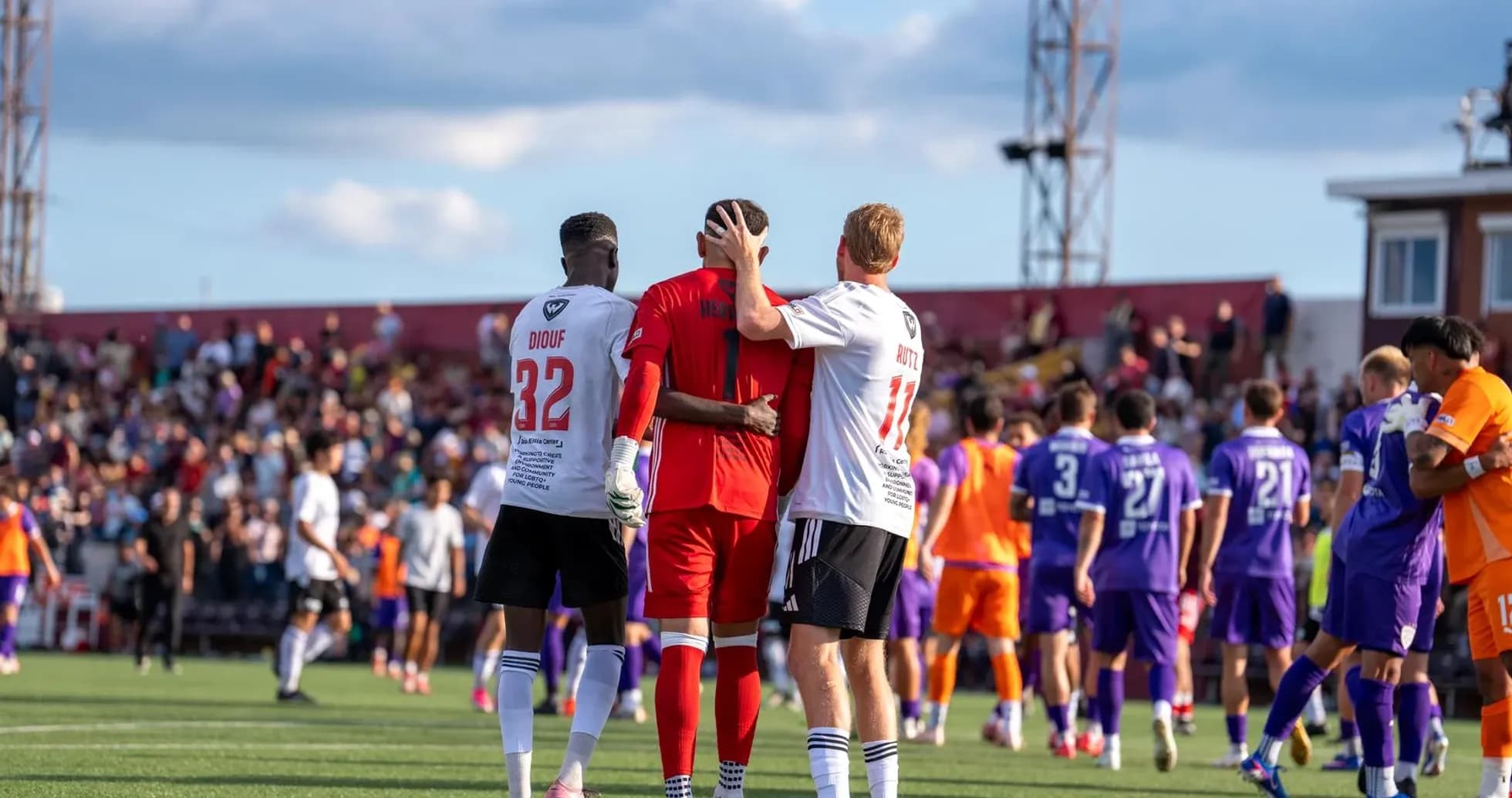
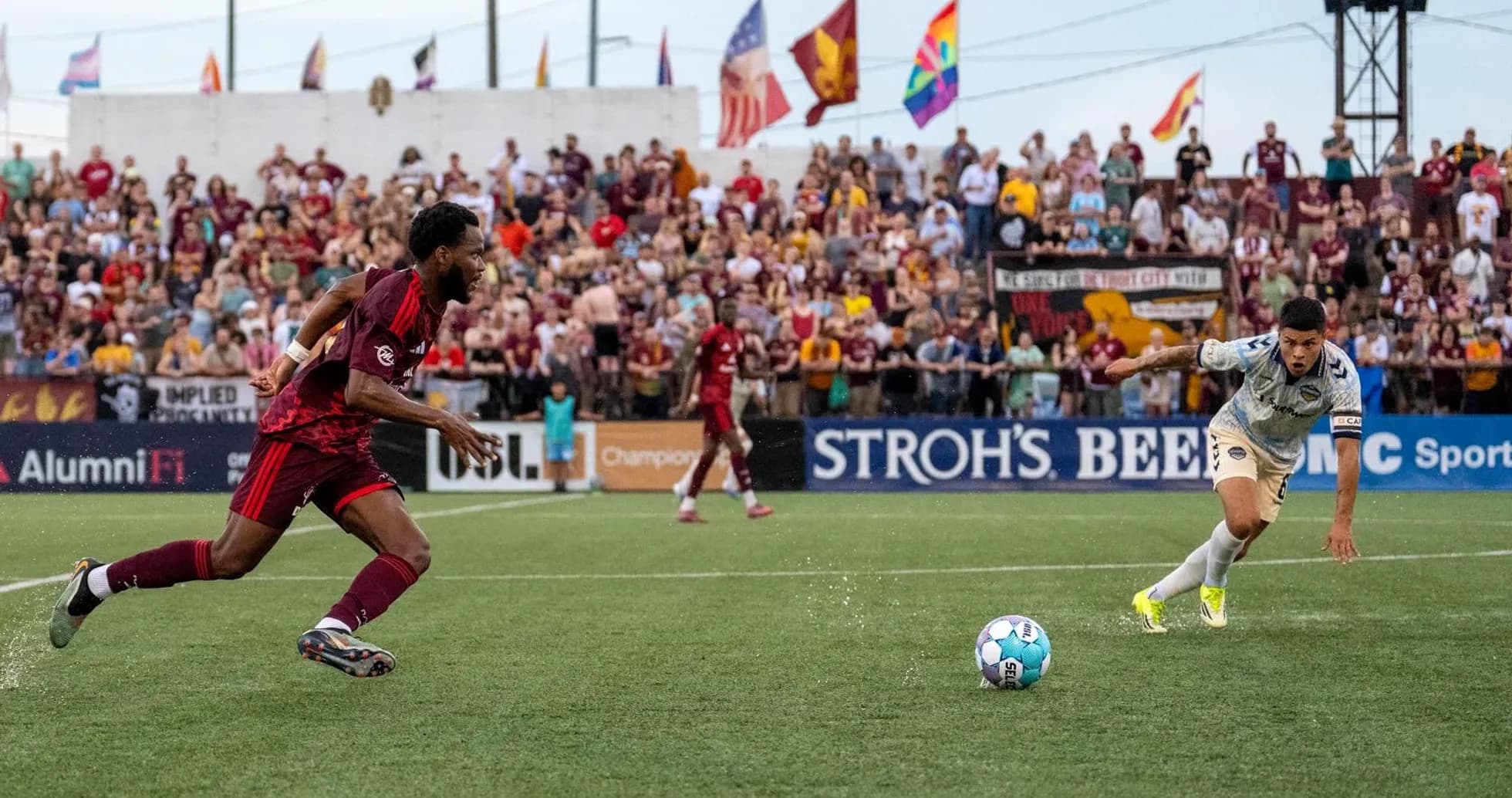
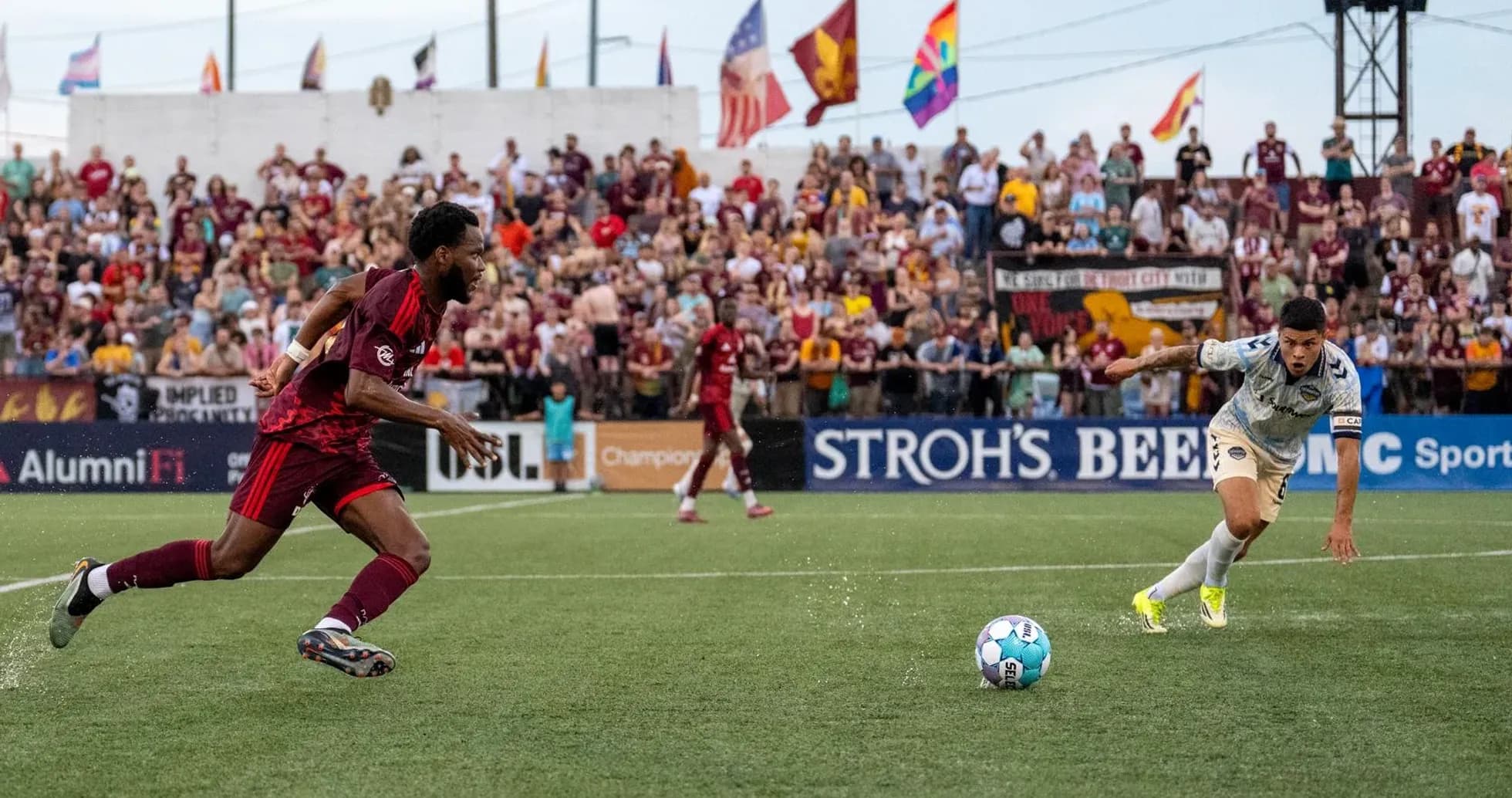
Under the floodlights at Keyworth Stadium, Detroit City and Louisville City played out 120 minutes of deadlock before Louisville edged a 4–3 penalty shootout, a result that underlined the contrasting identities these two sides have been crafting in the USL League One Cup group stage.
Heading into this game, the standings painted a clear hierarchy. Louisville sat 1st in Group 4 with 6 points and a commanding goal difference of 6, built on 8 goals scored and 2 conceded over 2 matches. Detroit, by contrast, were 5th with 4 points and a goal difference of -1, having scored 3 and conceded 4 in their first 2 group fixtures. Yet the scoreline in Detroit – 0–0 after 120 minutes, settled only from the spot – showed how cup football can compress the gap between a free-scoring favorite and a side still searching for its attacking edge.
Detroit’s seasonal profile in this competition is defined by friction and grind. Overall they had played 3 fixtures, with 1 win and 2 losses. At home they had played 2, losing both, scoring just 1 goal and conceding 3. Their overall goals-for average stood at 0.7 per match, with 0.5 at home and 1.0 on their travels; goals-against averaged 1.0 overall, driven by 1.5 at home and 0.0 away. It is a team that has been far more comfortable spoiling and countering on their travels than taking the initiative at Keyworth.
Louisville, conversely, arrived with a ruthless streak. Across 3 fixtures they had won all 3, with 3.0 goals scored per match both at home and away, and just 0.7 conceded overall (1.0 at home, 0.5 on their travels). They had already produced a 3–1 home win and a 1–5 away demolition, reflecting a side that can both dominate the ball and punish space. Their clean-sheet record – 1 overall, coming away – and the fact they had yet to fail to score in any match underlined an attacking machine that usually finds a way.
Into that clash of styles stepped two squads that, on paper, were relatively settled and unburdened by absences. Danny Dichio’s Detroit XI was anchored by goalkeeper C. Herrera, with a defensive spine of H. Yamazaki, R. Hope-Gund, D. Amoo-Mensah and T. Silva. In front of them, K. Hernandez-Foster and Rafa Mentzingen formed a hybrid of ball progression and defensive cover, while A. Diop and A. Stanley offered industry and structure. A. Diouf and B. Morris were the main attacking outlets, tasked with converting rare chances into something more than moral victories.
For Louisville, Simon Bird named a side consistent with their aggressive group-stage posture. D. Faundez started in goal behind a back line featuring S. Totsch, B. Dayes, A. Dia and A. McFadden. In midfield, Z. Duncan and B. Niang provided the platform, supported by J. Morris and J. Wilson in wider or advanced roles. R. Serrano and T. Showunmi gave Louisville their forward punch, the pair expected to translate the team’s 3.0 goals-per-game rhythm into another decisive performance.
The tactical void for Detroit was not about missing personnel but about reconciling their numbers with the demands of a knockout-style shootout. Their overall attacking return – 2 goals in 3 matches – had already forced them into narrow margins. They had failed to score in 1 fixture overall, and at home they had only 1 goal across 2 games. The penalty record deepened that sense of fragility: 5 penalties taken overall, with 3 scored and 2 missed, a 60.00% conversion rate that made the prospect of a shootout feel more like a coin flip than an advantage.
Louisville, by contrast, carried the swagger of a side that had been perfect from the spot: 4 penalties taken, 4 scored, a 100.00% record. In a match that ultimately went to penalties, that psychological edge mattered. Where Detroit approached the spot with the memory of 40.00% of their previous attempts failing, Louisville’s takers stepped up with the certainty of repetition and success.
Discipline framed another layer of the contest. Detroit’s yellow-card distribution showed a side that often grows more combative as the game wears on. Overall, 25.00% of their cautions came between 31–45 minutes, 37.50% between 46–60, 12.50% between 61–75 and another 25.00% from 76–90. That spread suggests a team that lives on the edge in the middle third of the match, particularly just after half-time when intensity spikes and tactical fouls creep in. Louisville’s bookings, meanwhile, clustered earlier: 28.57% between 16–30, another 28.57% between 31–45, and a peak of 42.86% between 46–60. Both teams share a tendency to accumulate cards immediately after the interval, a period where pressing triggers and transitions become most volatile.
Within that disciplinary pattern, the “Hunter vs Shield” dynamic was inverted by the final score. Louisville, the hunter with 9 goals overall heading into this game, met a Detroit defense that, for all its home frailties, had kept a clean sheet away and conceded only 3 overall. Over 120 minutes, Herrera and his back line – Yamazaki, Hope-Gund, Amoo-Mensah and Silva – finally played to their ceiling at Keyworth, smothering a Louisville attack that had averaged 3.0 goals per match both home and away.
In the “Engine Room,” Detroit leaned heavily on Rafa Mentzingen and A. Diop to disrupt Louisville’s rhythm. Their task was to break the supply line from Z. Duncan and B. Niang into Serrano and Showunmi, turning Louisville’s usual flow into a stop-start affair. The 0–0 narrative suggests they succeeded in forcing Louisville into wider, less efficient routes to goal, even if Detroit’s own transition game, led by A. Diouf and B. Morris, never quite turned defensive solidity into decisive chances.
Following this result, the statistical prognosis is stark. Louisville’s underlying numbers – 3 wins from 3, 9 goals for and 2 against, a flawless penalty record – still mark them as one of the most balanced sides in the competition, capable of winning both in open play and from 12 yards. Detroit, meanwhile, emerge as a team whose defensive ceiling can trouble even the group leaders, but whose attacking output and penalty reliability leave them living on the thinnest of margins. The shootout defeat, 4–3 after 120 goalless minutes, becomes less an upset and more a mathematical inevitability: the side with 100.00% from the spot and 3.0 goals per match found, eventually, a way through the one that averages 0.7 goals overall and converts only 60.00% of its penalties.
Related News
Louisville City Edges Detroit City in Penalty Shootout
Lexington vs Indy Eleven: USL League One Cup Showdown
Detroit City vs Louisville City: USL League One Cup Showdown
Lexington vs Indy Eleven: USL League One Cup Group Stage Preview

Lexington vs Indy Eleven: USL League One Cup Clash Insights
Louisville City vs Detroit City: USL League One Cup Clash