
Pep Guardiola Rejects Italy's Coaching Offer: A Personal Choice
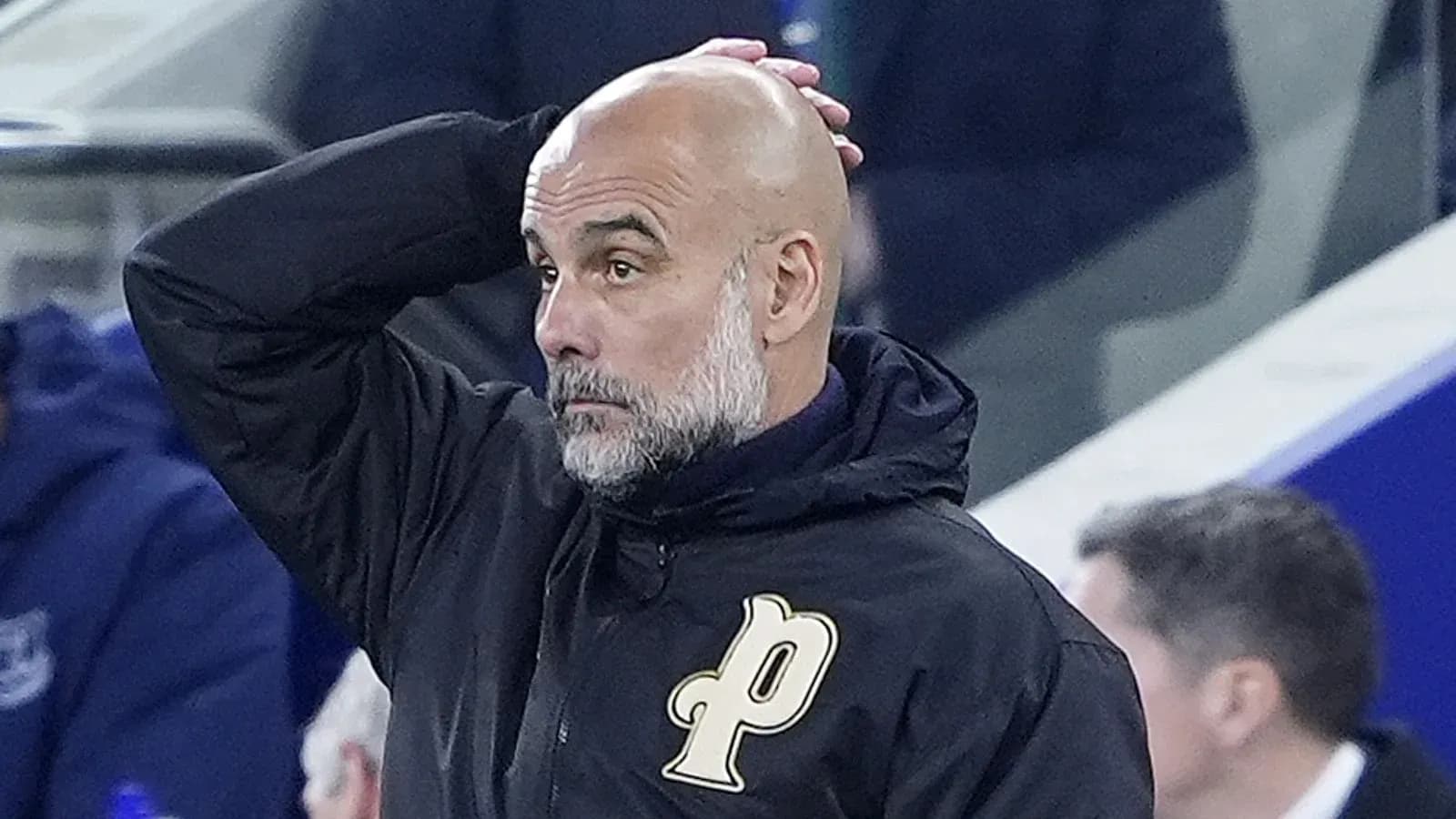
Pep Guardiola has rejected an offer to become Italy’s new head coach, turning down an ambitious proposal from the Italian Football Federation that would have placed him at the centre of a sweeping rebuild of the national game.
According to Sky in Italy, Guardiola informed the FIGC of his decision on Thursday night, citing personal reasons that stretch beyond football. After a decade of relentless success at Manchester City, the 53-year-old has chosen not to dive straight into the intensity of another major job.
Italy’s big gamble – and Guardiola’s answer
The FIGC did not come to him with a routine pitch. This was a full-scale courtship.
Paolo Maldini and his advisor Leonardo spent three days with Guardiola in Barcelona, outlining a vision that went far beyond the traditional role of a national team coach. They were prepared to bend their budget, make what was described as an exceptional financial effort, and hand him the keys to an ‘Azzurro project’ designed to rebuild Italian football from the ground up.
This was not just about succeeding Gennaro Gattuso on the touchline. In the federation’s plan, Guardiola would have become the central figure in a structural overhaul touching every level of the national setup, from the senior side down through the age groups.
Italy’s need is stark. They failed to qualify for the expanded World Cup this summer, extending a bleak run in which they have missed the last three major tournaments since winning Euro 2021 under Roberto Mancini. The latest failure triggered a huge shake-up, with Maldini and Leonardo brought in specifically to reshape the future and, crucially, to find the right successor to Gattuso, who left after missing out on qualification for the tournament in North America.
Guardiola listened. He engaged with the project. Then he walked away.
A free agent who wants a pause, not a throne
For the first time in 10 years, Guardiola is a free agent. His decade-long spell at Manchester City delivered 20 trophies and a win ratio of 70.8 per cent, a body of work that cements his status as the defining club coach of his generation.
Yet he has been consistent about what comes next: a break.
Speaking to Sky Sports a year before his City exit, he made it clear that when his time at the Etihad ended, he would step away from the dugout for a while. After his departure became official, he repeated that message, linking his decision directly to family and fatigue.
“No plans for [coaching] for a while. Otherwise I would be here. I need to step back. I will not [coach] for a while,” he said in his final Manchester City press conference.
“I feel I will not have the energy every day, with expectations to fight for the title. I know myself, I have that energy, but I feel like I will not have it [in the future].”
In a separate interview with Sky Sports, he went deeper into the personal side.
“There are things that I have not done that I want to do. I still have my father alive. I want to spend more time with him. My kids... And a lot of things as a human being I can do. I'm fortunate I can decide, that's why I took this decision.”
Those words frame his refusal of Italy. This is not a man scrambling for the next big stage. It is a coach who has chosen, at least for now, to step away from the treadmill.
England, the FA and the road not taken
Guardiola’s name has hovered over international jobs for years, none more loudly than England.
In 2024, reports suggested he had reached a verbal agreement with the FA to replace Gareth Southgate as England manager. The story seemed to fit: a generational coach, a talented pool of players, a federation ready to modernise. Then he changed his mind, stayed at Manchester City, and the FA turned to Thomas Tuchel instead.
Tuchel went on to guide England to their best World Cup finish on foreign soil and has since extended his contract through to the end of Euro 2028, vowing to see out the deal.
The England episode underlined two things. First, Guardiola’s appeal to national associations is unmatched. Second, even when the stage appears set, he will not move unless the timing and the demands align with his own sense of what he can give.
The lure of the national game
Despite turning Italy down, Guardiola has never hidden his curiosity about international football.
In a 2024 interview with chef Dani Garcia, he drew a clear line between another club job and the different rhythm of managing a national team.
“What I'm not going to do is leave Manchester City and go to another country to do the same thing as I am now,” he said. “I wouldn't have the energy to do so. I'm still here doing what I am today. But the thought of starting somewhere else, with all the process of the training and so on... no, no, no! Maybe a national team, but that's different.”
That last line still hangs in the air. Maybe a national team.
It is easy to see why the idea keeps circling him. The international calendar offers space – long stretches away from the daily grind of training and matches, punctuated by intense bursts of work around qualifiers and tournaments. For a self-confessed football obsessive who also wants more time with his family, that balance holds obvious appeal.
Sky Sports’ Callum Bishop summed it up: Guardiola is the biggest commodity in football management, as he was when he left Barcelona before joining Bayern Munich. But now he is older, more aware of his limits, and deeply attached to what he built at Manchester City. He wants rest, yet football people rarely stay away for long.
International management could be the compromise. A way to scratch the competitive itch without surrendering every day of his life to the job.
Italy look elsewhere, Guardiola waits
Italy must now turn to alternative candidates, with Roberto Mancini and Andrea Pirlo among the names being considered. The FIGC’s bold attempt to hand their entire sporting project to Guardiola has failed, leaving Maldini and Leonardo to identify a different figurehead for their reset.
The need for change in Italian football remains urgent. The architect they wanted has said no.
Guardiola, for his part, has stuck to his own plan. He has chosen time, family and recovery over the most powerful job in one of football’s great nations.
He will not stay on the sidelines forever. The only real question now is which crest – and which tournament – finally tempts him back.
Related News
UFC 332 Preview: Natalia Silva vs. Wang Cong Fight Card, Odds, Start Time, and Details
Andy Roddick Responds to Andre Agassi’s Comments on Alexander Zverev at the Laver Cup
Knicks Prepare for Flexible Roles in Title Defense
Rui Hachimura Swaps Lakers Fans to Clippers in Surprising Jersey Exchange

Who Will Be the NBA's Next First-Time All-Stars? Top Picks and Long Shots for 2027
How Strong Is Your Team at Home? Check Out the 2026 Brasileirão Home Standings