
Harry Kane's Future: Balancing Records and Limits
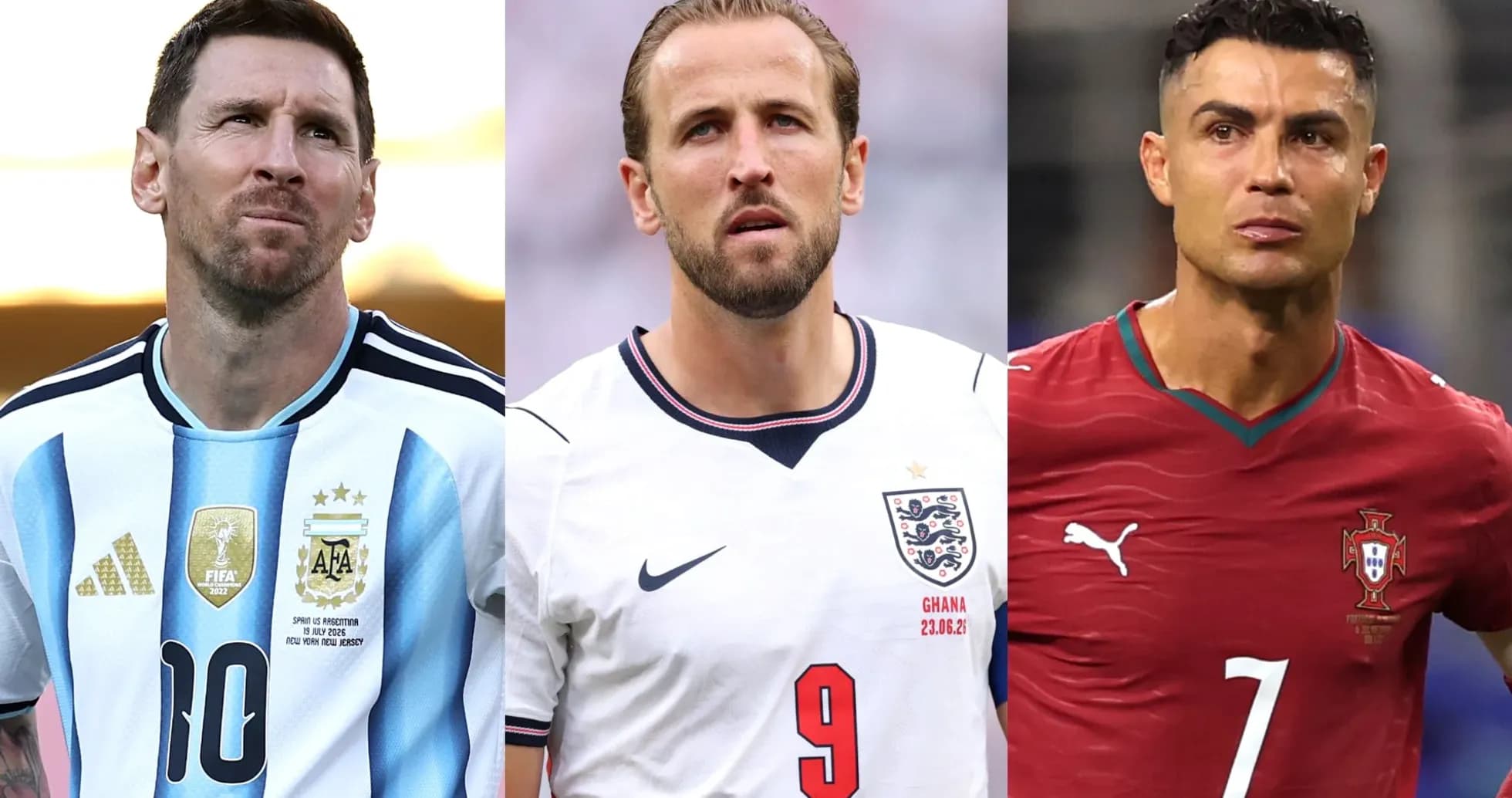
Harry Kane is still racking up numbers that belong to the realm of fantasy, yet the conversation around him is starting to shift from records to limits.
England’s captain has just come off another gruelling international tournament, dragging the Three Lions to a semi-final before Argentina slammed the door on their dreams. Six goals, the armband on his sleeve, and a campaign that once again felt like it might finally deliver something tangible. It didn’t. England settled for third place. Kane left with more goals, more minutes, and more questions about how long he can keep living at this altitude.
The numbers are absurd. Eighty-five goals for his country, more than any England player in history. The same story at Tottenham, where he left as their all-time leading scorer. In Germany, he has treated Bayern Munich’s penalty area like a personal playground: 146 goals in 147 games. That is not a career. That is a one-man assault on the idea of regression.
Bayern know it. With just 12 months left on his current deal at the Allianz Arena, the German champions are moving to lock him down again. There is no hint of a slowdown. Kane has just turned 33 and still looks like the most reliable marksman in the game. He is widely tipped to be the leading contender for the 2026 Ballon d’Or. Clubs usually brace themselves for decline at this age. Bayern are preparing for another peak.
England, meanwhile, stand on a different kind of precipice. There is no obvious heir to that No.9 shirt. No ready-made successor to take the captain’s armband or the responsibility of leading a home European Championship in 2028. The expectation, quietly but firmly held, is that Kane will still be the man up front when that tournament kicks off on English soil.
Beyond that? The debate turns sharper.
Can he stretch this out to another World Cup cycle, into his late thirties, the way Cristiano Ronaldo and Lionel Messi have done? When that question was put to Dietmar Hamann, the former Bayern midfielder did not reach for romance. Speaking to GOAL on behalf of MrQ, he went straight to the hard maths of ageing.
“He’s turned 33 now so he'll be 36 going on 37 in four years' time. It's a big ask,” Hamann said. He pointed to the recent World Cup as a brutal measuring stick. Two of the game’s all-time greats, one 39, one 41. “One did well, the other one didn't. You know, I wouldn't put him in the same bracket as those two.”
Hamann’s concern is not about Kane’s quality, but his mileage. This is a striker who started early, went out on loan into the lower leagues, and has carried a heavy workload ever since. Season after season in the Premier League. Now the same in the Bundesliga. “He went out on loan in the lower leagues, played an awful lot of games in the Premier League, didn't really have many injuries. The odd ankle injury, I think he's had,” Hamann noted.
The pattern has continued in Munich. Kane barely misses a game. The engine keeps turning over, but the odometer is flying. For Hamann, the conclusion is stark. “To see him in the World Cup in four years' time, if you put me down to an answer now, I'd probably say no.”
Chris Waddle, another former England international, strikes a similar tone, though from a winger’s perspective rather than a midfielder’s calculator. He sees the same dilemma looming on the horizon.
“Fitness is a great thing to have. Some players develop, get better as they get older. Some find it easier. Not easier, but easy,” Waddle told GOAL. His eyes are already on the nearer checkpoint: the next European Championship. “We'll see how his legs are in two years' time, at the Euros even. People will be questioning that.”
Waddle’s argument hinges on how Kane plays the game. The England captain has never relied on raw pace, which buys him time in a sport that punishes sprinters as the years pile up. “The thing with Harry's advantage is he's a fit lad, we know that. He doesn't rely on pace. He's got a great football brain,” Waddle said.
That brain has already helped Kane evolve from pure finisher into playmaker, dropping deep, threading passes, dictating attacks. Yet even the clever ones eventually collide with biology. Waddle has seen it before, brutally, on the biggest stage.
“Sometimes you see players in tournaments and you think, ‘His legs are going there’,” he said. “I'm looking at Ronaldo as an example. I watched Portugal play in the World Cup and his legs were gone in my eyes for that level of football.” Messi, by contrast, still found flashes of genius, even as chaos swirled around him. “Lionel Messi still had bits of brilliance until the rest of his team-mates decided to try and kick everybody out of the country.”
For Waddle, the lesson is not that Kane will fall off a cliff, but that the level will eventually change. Messi in Miami. Ronaldo in Saudi Arabia. Still stars, still decisive, but in different environments, at different speeds.
“So I think there's a time and a place where you've actually got to think, ‘Yeah, he can still play, and he can still play like Messi does in Miami, a good level for him’. You know, Ronaldo in Saudi can still handle it,” Waddle said. The question then turns to Kane’s club reality. “And Harry, eventually he'll come to a time where you think the Bundesliga is too quick. Where do you go from there?”
That is where the next World Cup starts to look distant, almost abstract. “The next World Cup, it's a big ask for him, I think, to play in that tournament,” Waddle admitted. Not because Kane will no longer be a footballer, but because he may no longer be a World Cup footballer.
“I think some of these players can think, ‘Yeah, I'm still playing football, but that level's out of me now, and I've enjoyed it’,” Waddle said. The danger, in his eyes, is clinging on too long. “I think some of these players try and play too long and it doesn't look great on them. But I'm sure Harry will know when the time's right to say, ‘No, I can't play for England anymore’.”
For now, that moment feels a long way off. Kane is still scoring, still leading, still rewriting record books for club and country. Bayern want him tied down. England want him front and centre at a home Euros. The goals keep coming.
The real tension lies just beyond that horizon: does the country’s greatest goalscorer walk away on his own terms, or does the World Cup stage eventually tell him it has moved on without him?
Related News
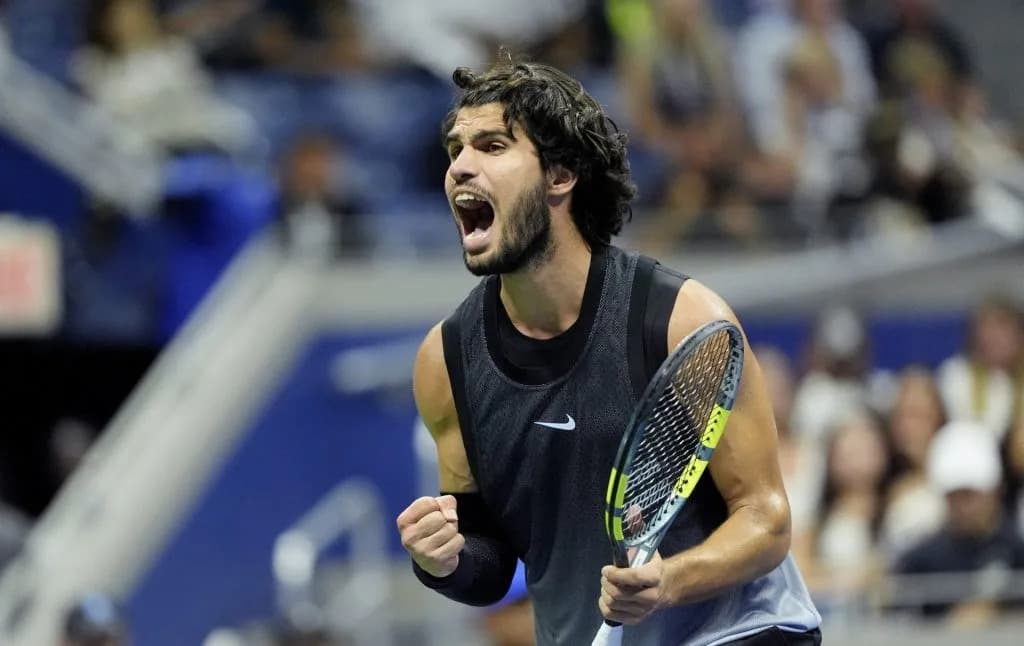
Carlos Alcaraz Urges an End to Matches Ending in the Early Hours
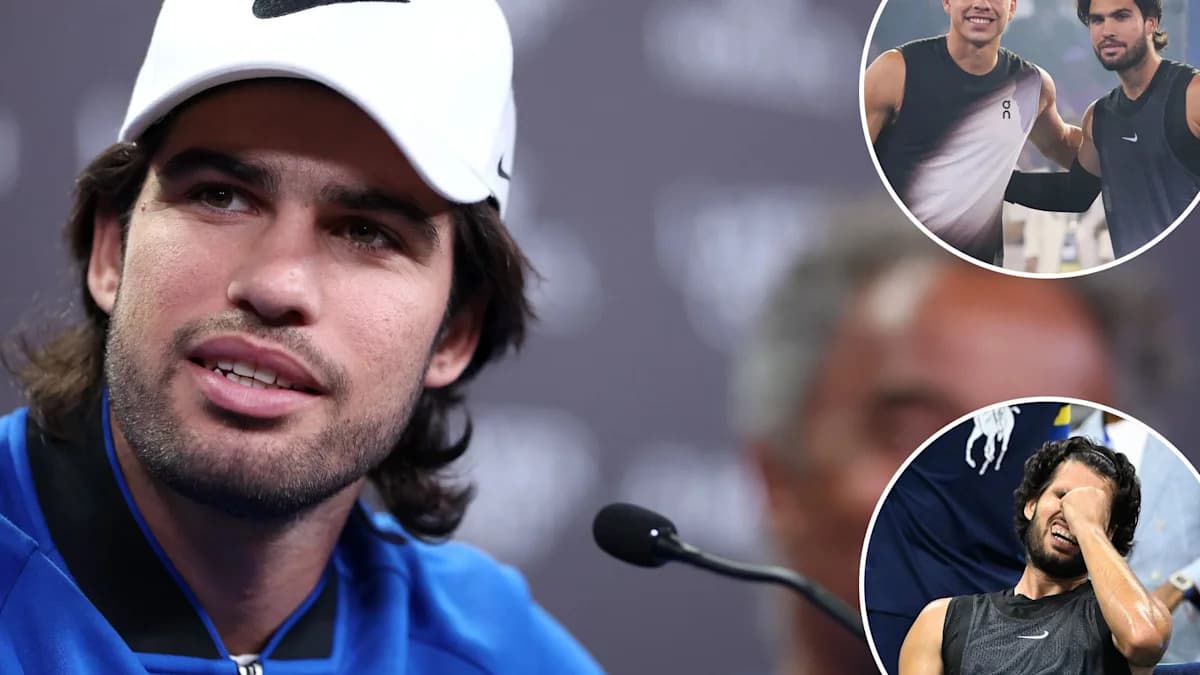
Carlos Alcaraz Criticizes Late US Open Finish After 3:30 a.m. Match
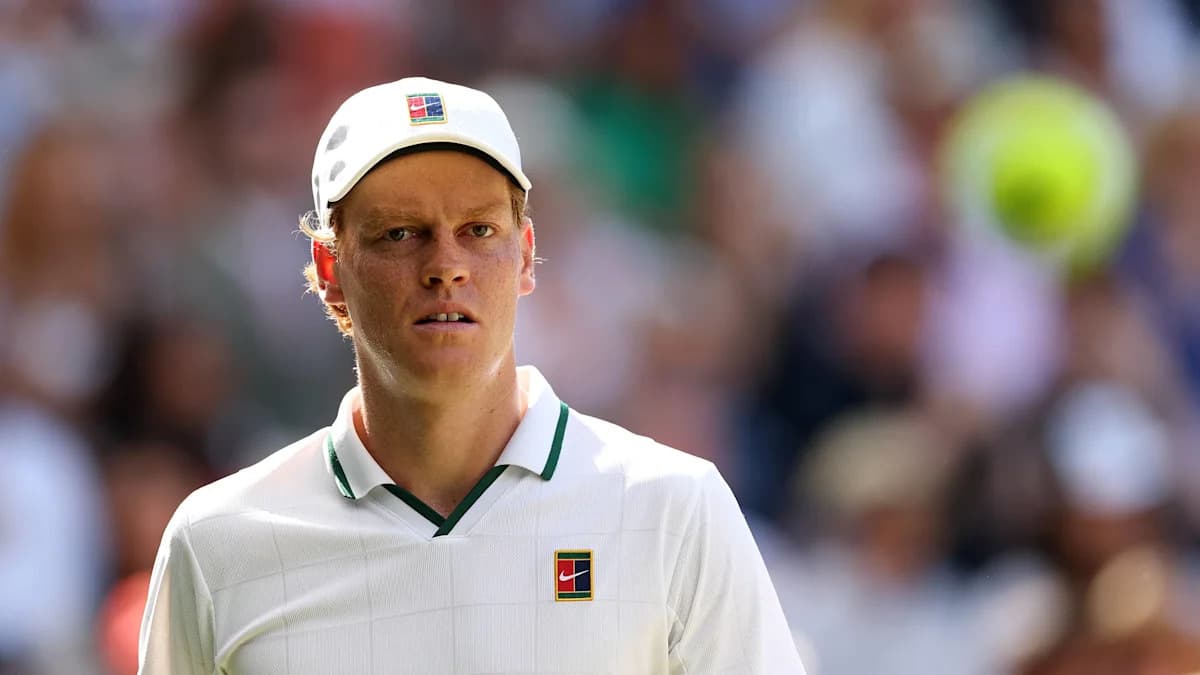
Jannik Sinner Set for ATP 500 Return in Beijing with Novak Djokovic Also Competing

Meet Iva Jovic: The American Tennis Prospect Making Waves
Flavio Cobolli Shares Insights on Practice Session with Jannik Sinner Ahead of Comeback
Till vs Romero: Fight Details, Undercard, and Viewing Info for This Weekend