
Indy Eleven’s Statement Win Over Forward Madison: Match Analysis
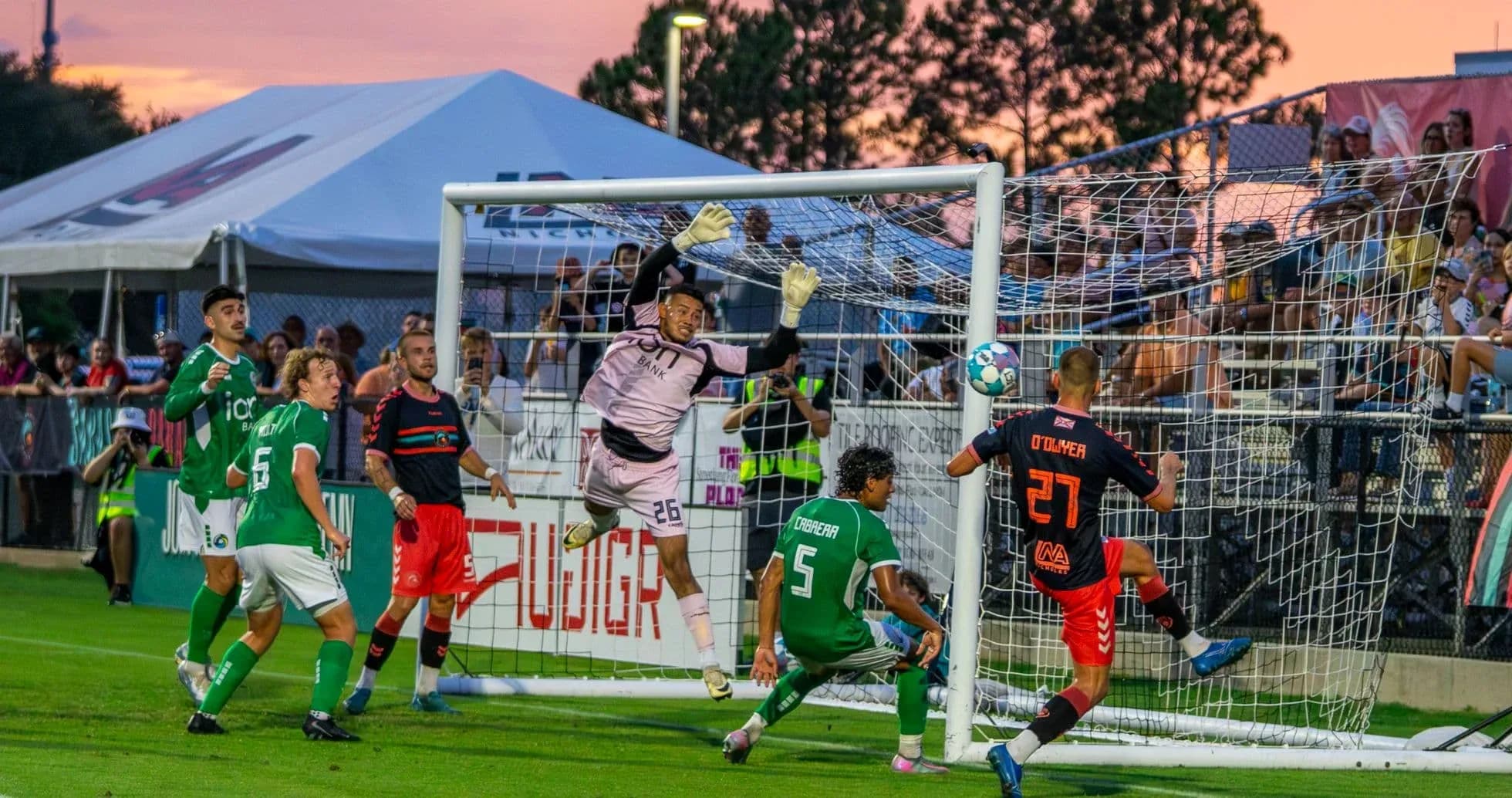
Under the lights at Michael A. Carroll Stadium, Indy Eleven’s 2–0 win over Forward Madison felt less like a routine group-stage result and more like a statement about where these two squads stand in the emerging landscape of the USL League One Cup. Following this result, the table tells a stark story: Indy, ranked 4th in Group 4 with 5 points and a goal difference of 3, look like a side discovering a ruthless streak; Madison, 7th with 0 points and a goal difference of -5, resemble a project still searching for its spine.
I. The Big Picture: Identities Taking Shape
Indy’s season profile is defined by attacking ambition. Overall this campaign they have scored 6 goals in 3 fixtures, averaging 2.0 goals per game in total. At home, they average 1.5 goals for and concede 1.0; on their travels, they are even more expansive, averaging 3.0 goals for and 2.0 against. It is a team built to tilt the field forward, accepting defensive risk in exchange for pressure and territory.
Forward Madison, by contrast, arrive in Group 4 with a brittle defensive record. Overall they have conceded 7 goals in 3 games, an average of 2.3 against per match in total, while scoring only 0.7 in total. On their travels, they allow 3.0 goals per game and score 1.0, a profile that screams vulnerability whenever they are forced to defend deep for long stretches.
The 2–0 scoreline in Indianapolis fit those season-long patterns almost perfectly: Indy leaning into their attacking DNA at home, Madison struggling to withstand sustained waves without the attacking punch to change the narrative.
II. Tactical Voids and Discipline: Where the Edges Are
Injuries and suspensions are a blind spot in the data, but the disciplinary logs for the season sketch out the emotional temperature of both squads.
Indy’s yellow-card distribution is relatively even, but with a noticeable spike across the middle thirds of the game. Overall this campaign, 28.57% of their yellows have come between 31–45 minutes, and another 28.57% between 61–75 minutes. That suggests a side that ramps up its aggression as each half matures, often when the press is at full throttle and counter-pressing duels become more desperate. Yet there are no red cards on their record so far, a sign that Sean McAuley’s group can flirt with the line without routinely crossing it.
Forward Madison’s discipline, however, has a sharper edge. Overall, 37.50% of their yellow cards arrive between 46–60 minutes, another 25.00% between 61–75, and they have already seen a red card between 76–90 minutes (100.00% of their reds in that late window). That late-game dismissal profile hints at a squad that frays under pressure, particularly as legs tire and game states turn against them. In a fixture like this, where Madison were always likely to be chasing the ball and the score, that volatility is a tactical void in itself.
III. Key Matchups: Hunter vs Shield, Engine Room Battles
Without official top-scorer data, the “Hunter vs Shield” duel is less about a single marksman and more about structural tendencies: Indy’s multi-pronged attack against Madison’s shaky away defense.
Indy’s front line is built around mobility and interchange. E. Kizza, leading the line with shirt number 19, is the reference point, but the real danger comes from the layers underneath. K. Williams (10) and J. Blake (8) give McAuley creative options between the lines, while wide and half-space threats like B. Rendon (27) and J. O’Brien (5) can stretch Madison’s back line horizontally. With Indy’s biggest away win a 2–3 shootout and their best home result a 2–0, the pattern is clear: they commit numbers forward and trust their attackers to win high-scoring duels.
The shield trying to hold that wave is Madison’s back unit, built around J. Shannon (5), K. Toure (33), and the protective presence of G. Kanyane (6) in front. On their travels this season, Madison have conceded 6 goals in 2 games; the away average of 3.0 goals against underlines how often their defensive block is exposed. The absence of any clean sheets home or away is damning. Against an Indy side that has failed to score in 0 matches overall, Madison’s shield was always likely to bend, and in Indianapolis it finally broke.
In the “Engine Room,” the contrast is equally stark. C. Lindley (6) and A. Quinn (14) anchor Indy’s midfield, offering both distribution and bite. Their job is twofold: recycle possession to keep Indy’s tempo high, and choke off transitions before Madison’s runners can get free. Across from them, H. Karamoko (21) and J. Bolma (7) represent Madison’s best hope of turning defense into attack, with R. Torres (12) and C. Ngoubou (11) offering outlets wide.
But Madison’s overall attacking return — 2 goals in 3 games, with 0.0 goals at home and 1.0 on their travels — suggests that their midfield has struggled to connect with the front line consistently. When you combine that with a failed-to-score total of 2 matches overall, you see a team that too often breaks down before the final pass.
IV. Statistical Prognosis: Why the Result Fit the Numbers
From an Expected Goals perspective, the underlying shapes are easy to infer even without explicit xG data. Indy’s overall average of 2.0 goals for and 1.3 against, paired with Madison’s 0.7 for and 2.3 against, sets up a probabilistic landscape where a multi-goal Indy win is the most likely outcome. A 2–0 home victory sits comfortably inside that envelope.
Indy’s single clean sheet overall before this match hinted that defensive control was an area for growth; shutting out Madison, a side that has already failed to score twice overall, will be seen internally as a necessary step rather than a transformative one. For Madison, leaving Indianapolis scoreless again only reinforces the urgency of recalibrating their attacking patterns and emotional control, especially late in games where their card profile becomes most volatile.
Following this result, Indy Eleven emerge as a group-stage contender with a clear, aggressive identity and a squad built to sustain it: Charles-Cook’s calm presence, Lindley and Quinn’s engine, Williams and Blake’s craft, Kizza’s movement. Forward Madison, meanwhile, leave with more questions than answers — about their defensive structure, their attacking cohesion, and their ability to keep their nerve when the game stretches into its decisive final quarter.
Related News
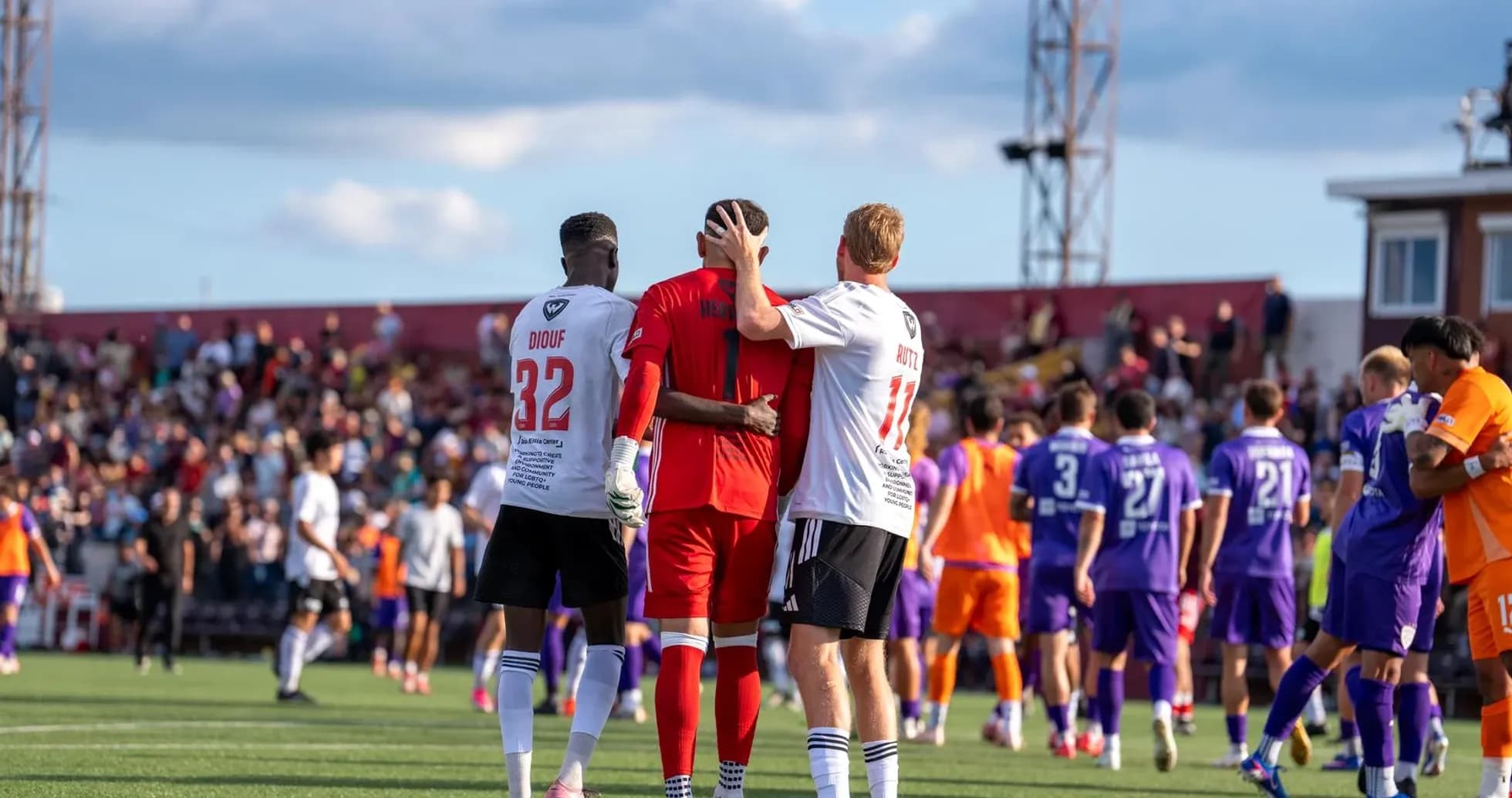
Louisville City Edges Detroit City in Penalty Shootout
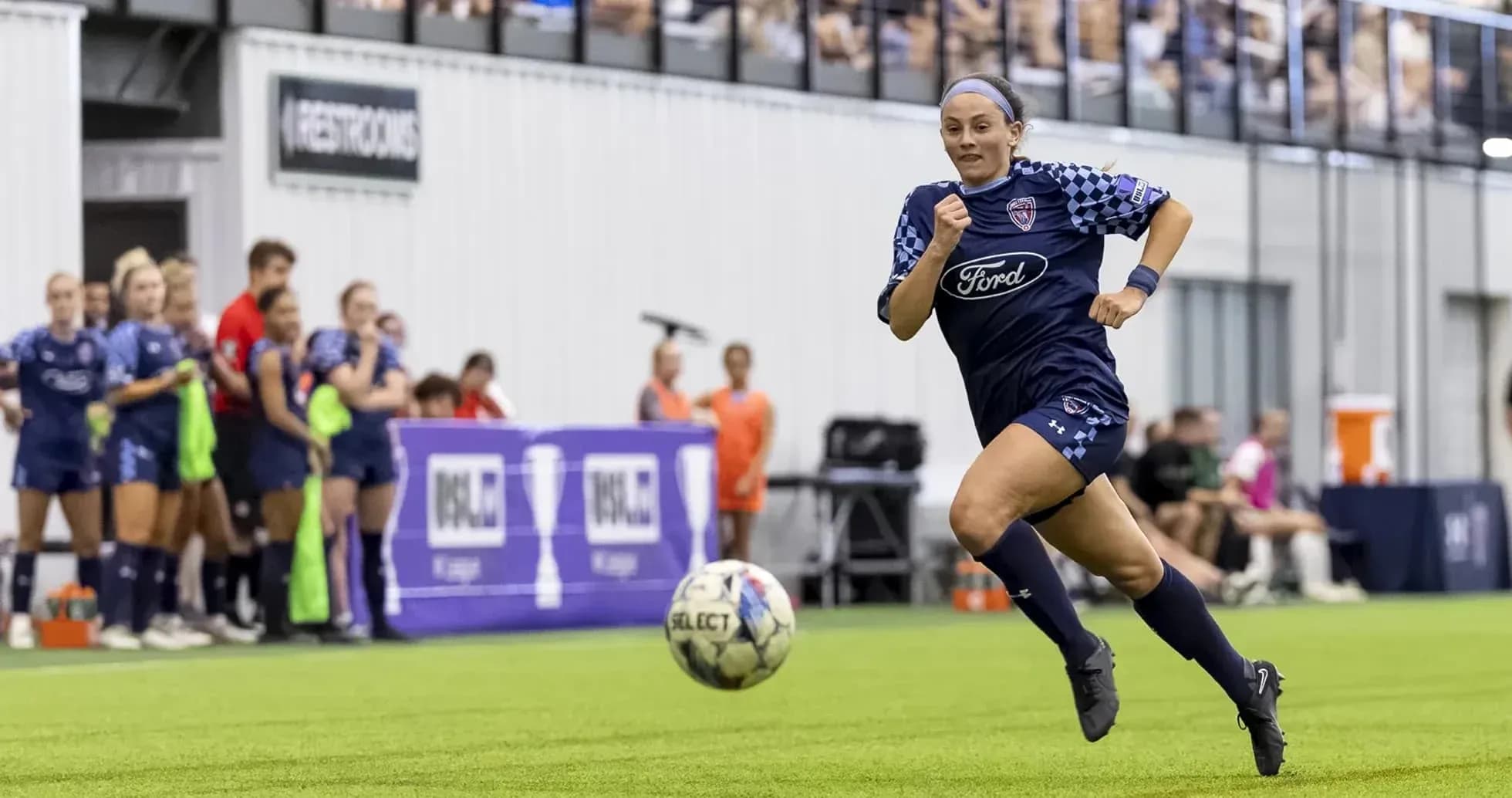
Lexington vs Indy Eleven: USL League One Cup Showdown
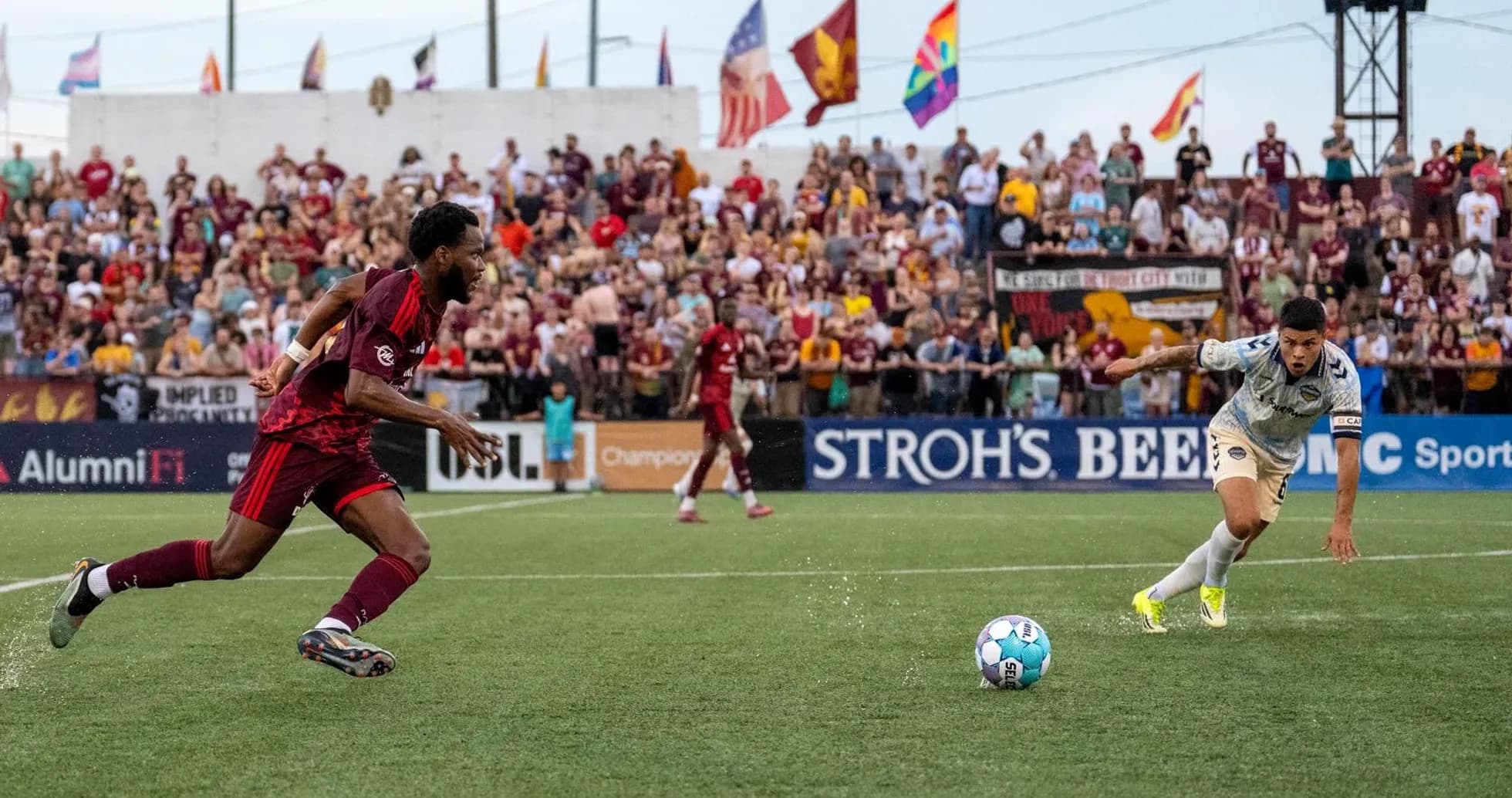
Detroit City vs Louisville City: USL League One Cup Showdown
Lexington vs Indy Eleven: USL League One Cup Group Stage Preview

Detroit City vs Louisville City Match Preview

Lexington vs Indy Eleven: USL League One Cup Clash Insights