
Ipswich Town's Bold Premier League Rebuild: From Caution to Global Ambition
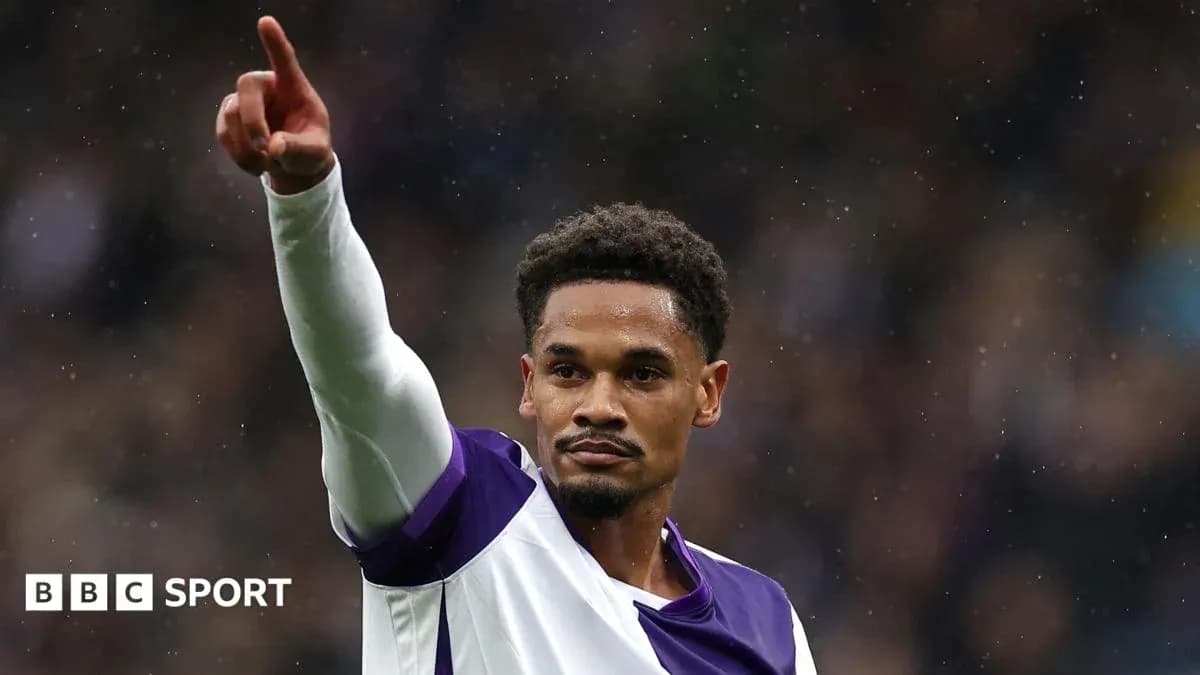
Ipswich Town are back in the Premier League and spending like they mean to stay there. Quietly, almost stealthily, the Tractor Boys have become the division’s fourth-biggest net spenders so far this summer, behind only Chelsea, Tottenham and Arsenal.
Ten signings. £106.6m. But the real story is not the size of the outlay. It’s how radically the club has changed who – and where – it shops for players.
From local comfort to global reach
Under Kieran McKenna, Ipswich were a model of continuity and familiarity. The Northern Irishman, who stepped down on 10 June after three promotions in four full seasons, built his rise on players who knew English football inside out.
Across his four-and-a-half-year reign, Ipswich made 39 permanent first-team signings. Thirty-two of them were either born or raised in Britain or Ireland. Only two arrived directly from European clubs. The rest were largely drawn from the UK and Republic of Ireland, often already embedded in the culture and language through spells at other English sides.
It worked spectacularly in the lower leagues. A largely unchanged, tight-knit squad stormed out of League One, then defied expectations by finishing second in the Championship in 2023-24. Ipswich became the first side in 12 years to reach the Premier League via back-to-back promotions.
That success was no accident. McKenna had openly admitted, after guiding Town back to the Championship in 2023, that the club had made a “conscious decision” to avoid overseas signings in League One because of the division’s frantic, physical nature. The logic was clear: know the league, survive the chaos.
When promotion finally came in 2024, Ipswich could have pivoted sharply. They didn’t. Ten of their 12 summer arrivals were British or Irish, almost all from other English clubs. The strategy that had carried them up was simply scaled, not reinvented.
The Premier League punished that caution.
The cost of playing it safe
Ipswich’s 2024-25 campaign was built around what became known as McKenna’s ‘Championship all-stars’ – players like Omari Hutchinson, Jack Clarke, Liam Delap, Dara O’Shea and Jacob Greaves. The club spent around £100m assembling a group who had mainly excelled in the second tier and were seen as having the ceiling to grow into Premier League regulars.
There was a second layer to the plan. Aware that survival was a long shot, Ipswich targeted characters unlikely to walk away if the worst happened. This was a squad built not just for one season in the sun, but for a longer project.
On the pitch, the gamble failed. Ipswich finished second bottom with just 22 points, 16 adrift of 17th-placed Tottenham Hotspur. The gulf between the Championship and the Premier League, already vast, proved unbridgeable with a largely domestic cast.
Off the pitch, the picture looked very different. Despite heavy spending on fees, Ipswich’s £77m wage bill was the lowest in the Premier League in 2024-25 by a comfortable margin. That restraint, combined with the TV money and a rapid profit on Delap’s move to Chelsea, allowed the club to post a £4m pre-tax profit for the financial year ending June 2025.
Hutchinson’s sale to Nottingham Forest added another windfall. Crucially, the core stayed intact. O’Shea, Clarke, Greaves and January 2025 signing Jaden Philogene remained and played key roles as Ipswich bounced straight back up at the first attempt.
McKenna insisted, even after relegation, that the recruitment had been in the club’s “best long-term interests”. The balance sheet and the immediate return to the top flight suggest he had a point.
But the Premier League doesn’t wait for long-term plans. And McKenna is gone.
O’Neil’s Ipswich: braver, broader, bolder
Gary O’Neil has walked into a club that knows how to rise but has already been burned at the top level. The mandate from chairman Mark Ashton is clear: Ipswich must be “a bit braver” this time.
The squad list proves they’ve taken that message literally.
This summer, Ipswich have cast their net far wider. Emersonn and Florentino Luis are set to become the first Brazilians in the club’s history. Sasa Lukic will be the first Serbian. Daizen Maeda will be the first Japanese player to pull on the shirt.
Of the 10 players bought so far, only one – Chuba Akpom – is British. Even that deal is an outlier: Ipswich were obliged to buy him from Ajax following promotion after an underwhelming loan spell.
This is not tinkering. It is a complete reset of the club’s recruitment identity.
The profiles are different too. Japanese forward Maeda and Morocco centre-back Issa Diop both scored at the World Cup this summer. They arrive with experience of the game’s highest stage. A third World Cup goalscorer could follow, with Ipswich linked to Paraguayan forward Julio Enciso, who played under O’Neil at Strasbourg and had an injury-hit loan at Portman Road in the second half of 2024-25.
O’Neil, unlike McKenna, does not have years of goodwill in the bank. He cannot sell another relegation as part of a patient build.
“Two seasons ago, the club didn’t get anywhere near staying in the division and this time we need to do better,” he said last month. “That’s why we’re trying to add quality to the squad from different parts of the world and we’re trying to add some different attributes.”
The pressure to deliver is immediate. The intent is obvious.
Power, pace and a new cutting edge
One of the stark lessons from Ipswich’s last Premier League visit was physical. Ashton has been open about it: the squad simply lacked enough athleticism, enough players with “a different set of physical attributes”.
The midfield, in particular, looked underpowered and short of ball-winners. Florentino Luis and Lukic have been brought in to change that, both with experience at the highest level and both expected to start fast. They may have to. Last season’s mainstays Azor Matusiwa and Jack Taylor are doubtful for the opening game after summer operations.
Up front, Ipswich’s numbers last year told their own story. No player reached double figures for non-penalty goals in the Championship. For a promoted side stepping into a league where chances are scarcer and mistakes more costly, that simply won’t do.
So the club smashed their transfer record to sign Brazilian striker Emersonn for an initial £24m. At 22, he fits the athletic profile Ipswich want – powerful, mobile, aggressive – but he is still raw. He only truly broke into the Toulouse side last season, scoring seven times in 31 appearances, 22 of them starts. The upside is clear; the risk is too.
Maeda arrives with a far more established scoring record. Seventy-nine goals in 212 games for Celtic underline his consistency and work-rate in a dominant side. The challenge now is very different. He will not enjoy the same volume of chances in a team likely to spend long stretches without the ball, fighting for survival.
At the back, Ipswich have also turned to the Netherlands for reinforcements, signing two Dutch goalkeepers. Among them is Kjell Scherpen, whose 6ft 9in (2.06m) frame will make him the tallest player ever to appear in the Premier League if, as expected, he features.
O’Neil has already hinted that this rebuild is not finished. After a 3-0 win over Rayo Vallecano on Saturday, he admitted the “plan is to do quite a bit more” in the market. The churn is significant, but so is the opportunity.
A defining summer – but will it be enough?
Around all of this, the club itself is changing. A £30m redevelopment of the training ground is close to completion. A new manager, a new squad profile, a modernised base of operations – Ipswich are trying to drag every part of the operation up to Premier League standard.
History offers both encouragement and a warning.
Only three promoted clubs have ever spent more in a single summer window than Ipswich are doing now – Sunderland in 2025, Nottingham Forest in 2022 and Aston Villa in 2019. All three survived their first season back.
Yet there is a darker list too. Fulham, Southampton, Burnley and Ipswich themselves have all thrown around similar sums in recent years, only to tumble straight back to the Championship. In the modern Premier League, this level of investment has become the entry fee, not a safety net.
Ipswich’s first crack at the top flight under McKenna was defined by prudence and continuity, and ended with relegation but financial health and a quick return. This time, under O’Neil, they are leaning into risk, range and raw potential.
The question is no longer whether Ipswich are brave enough to change. It is whether this bold, global rebuild can finally buy them what they have not managed for a quarter of a century: back-to-back seasons in the Premier League.
Related News
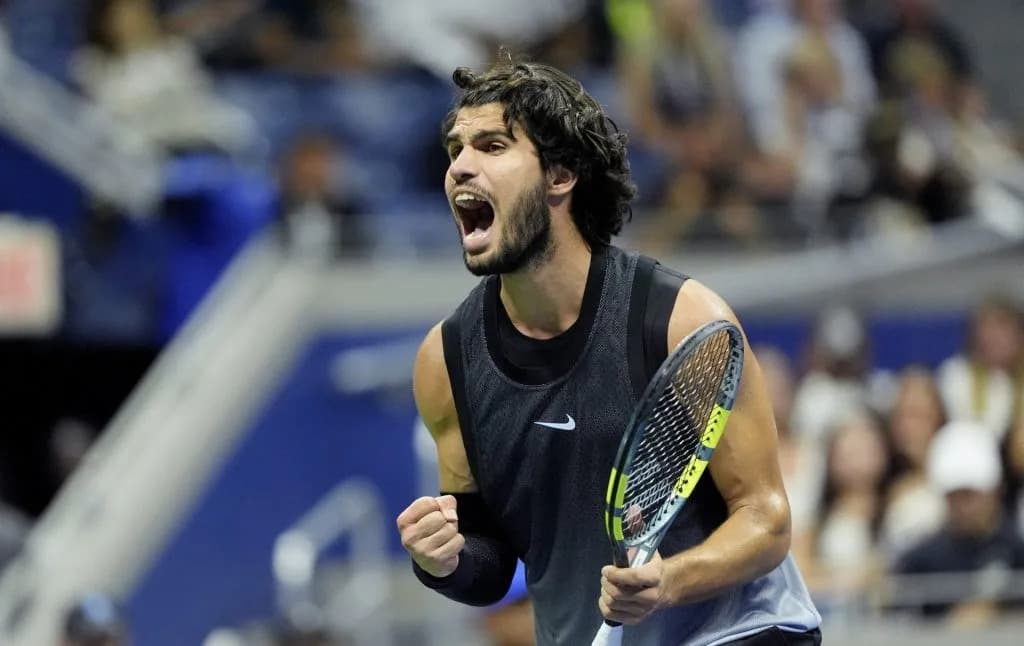
Carlos Alcaraz Urges an End to Matches Ending in the Early Hours
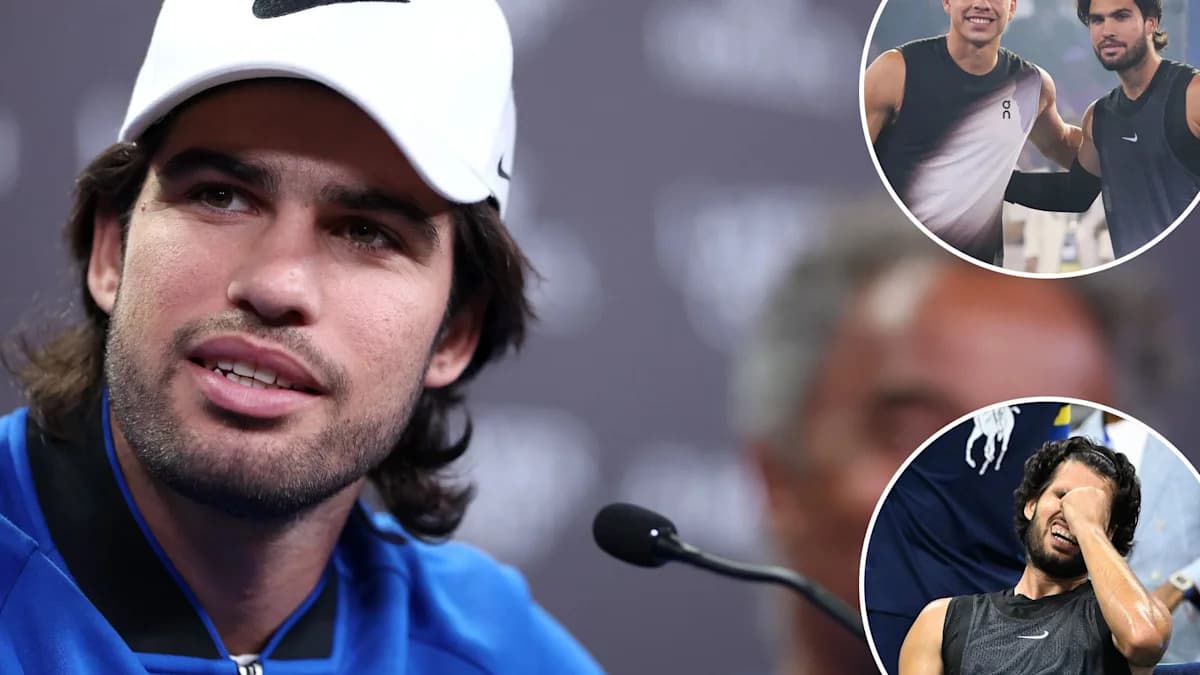
Carlos Alcaraz Criticizes Late US Open Finish After 3:30 a.m. Match
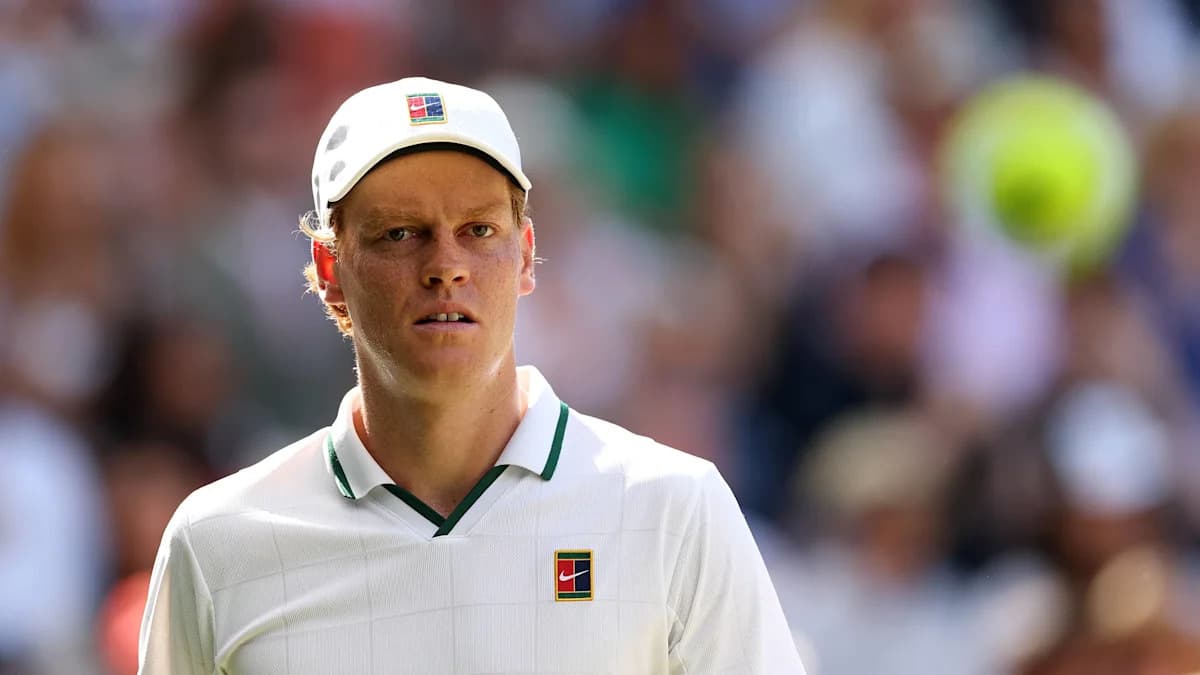
Jannik Sinner Set for ATP 500 Return in Beijing with Novak Djokovic Also Competing
Meet Iva Jovic: The American Tennis Prospect Making Waves
Flavio Cobolli Shares Insights on Practice Session with Jannik Sinner Ahead of Comeback
Till vs Romero: Fight Details, Undercard, and Viewing Info for This Weekend