
Jeff Bezos Explores Investment in Liverpool Football Club
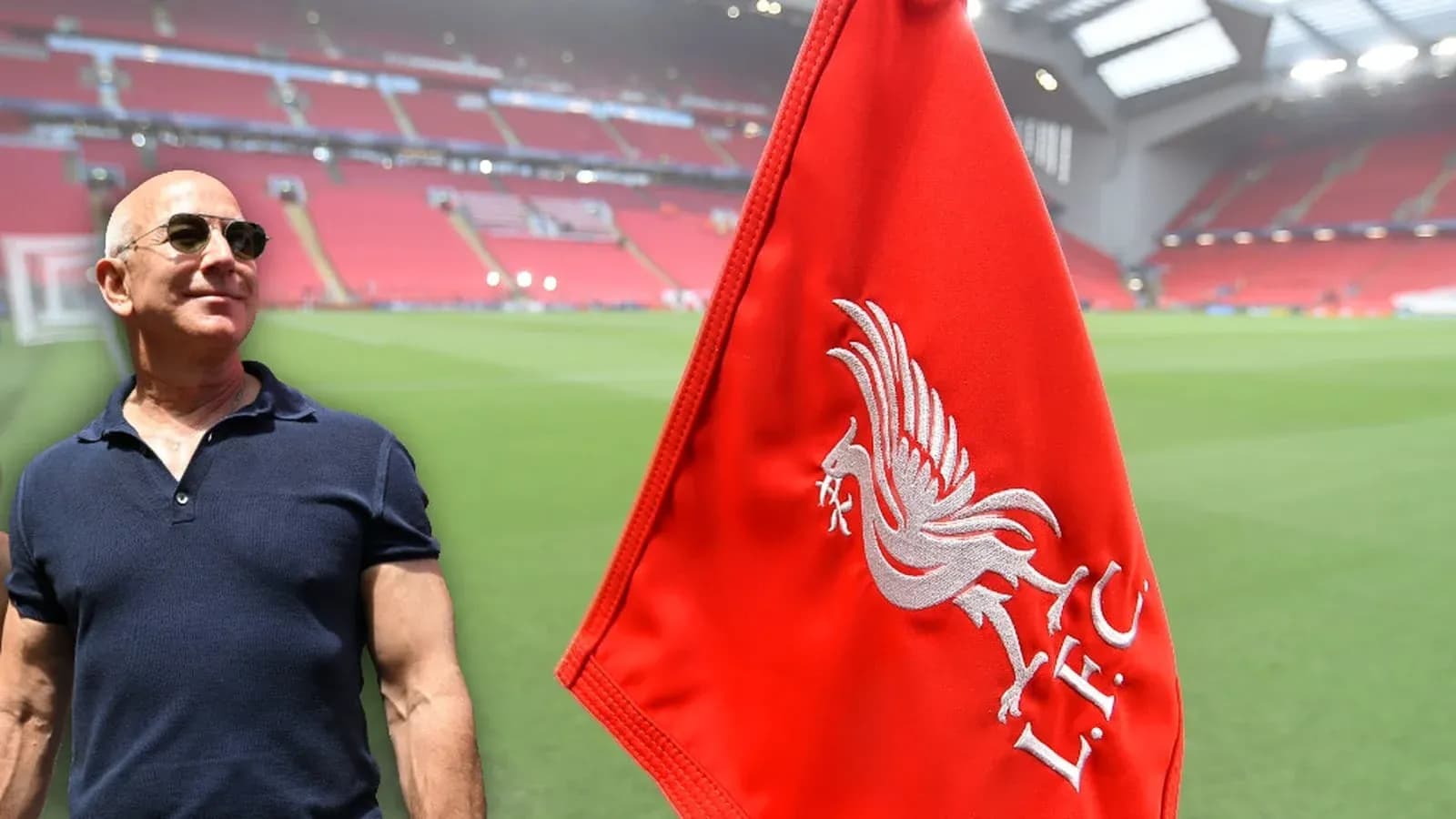
Liverpool’s ownership story, already one of modern football’s most intriguing financial sagas, may be about to add one of the world’s richest men to its cast.
Jeff Bezos has held talks over potentially joining a consortium interested in buying a minority stake in the club, according to reports, with Sky News naming the Amazon founder as a possible member of a syndicate fronted by Amit Bhatia.
Bhatia steps forward, Bezos circles
Bhatia, son-in-law of steel magnate Lakshmi Mittal, has emerged as the public face of the group. On Tuesday, Fenway Sports Group confirmed that his consortium had formally approached them over a strategic investment.
“An investment consortium led, managed, and represented by Amit Bhatia has expressed interest in making a strategic minority investment in Liverpool Football Club,” an FSG spokesperson said.
Behind that carefully worded statement lies a potentially seismic development. Bezos, whose fortune Forbes estimates at around £192bn, has long been linked with a move into elite sport. He has previously explored bids for the NFL’s Seattle Seahawks and Washington Commanders, only to walk away before any deal materialised. This time, the door is open at Anfield.
A new chapter after QPR exit
Bhatia’s move comes at a decisive moment in his own football journey. On the same day his interest in Liverpool became public, the 46-year-old stepped down from the board at QPR, drawing a line under an 18-year association with the west London club. His stake has been transferred to majority owner Ruben Gnanalingam, freeing Bhatia to pursue a project on a far grander stage.
The timing is no coincidence. Liverpool, under FSG, have become one of the most valuable assets in world sport. Bought for £300m in 2010, the club is now valued by Forbes at around £4.6bn. Minority investors are no longer buying into a rebuild; they are buying into a global powerhouse.
FSG’s model: control with capital on tap
This would not be FSG’s first flirtation with external money. In 2023, the group sold a minority stake to investment firm Dynasty, a deal structured to provide capital while leaving sporting control firmly in Boston’s hands. Any agreement with Bhatia’s syndicate is expected to follow a similar pattern: cash in for growth, no change at the top.
FSG, which also owns the Boston Red Sox and the Pittsburgh Penguins, has built its empire on that balance of control and partnership. Strategic investors are welcomed, not as kingmakers, but as accelerants.
So the prospect of Bezos joining Bhatia’s group raises an obvious question. How much more financial firepower does Liverpool need, and what could that level of backing unlock in an era where state-owned clubs set the pace?
For now, it is only interest, not a done deal. But if Bezos does step into the Anfield boardroom, Liverpool’s place in football’s financial arms race would look very different indeed.
Related News
UFC 332 Preview: Natalia Silva vs. Wang Cong Fight Card, Odds, Start Time, and Details
Andy Roddick Responds to Andre Agassi’s Comments on Alexander Zverev at the Laver Cup
Knicks Prepare for Flexible Roles in Title Defense
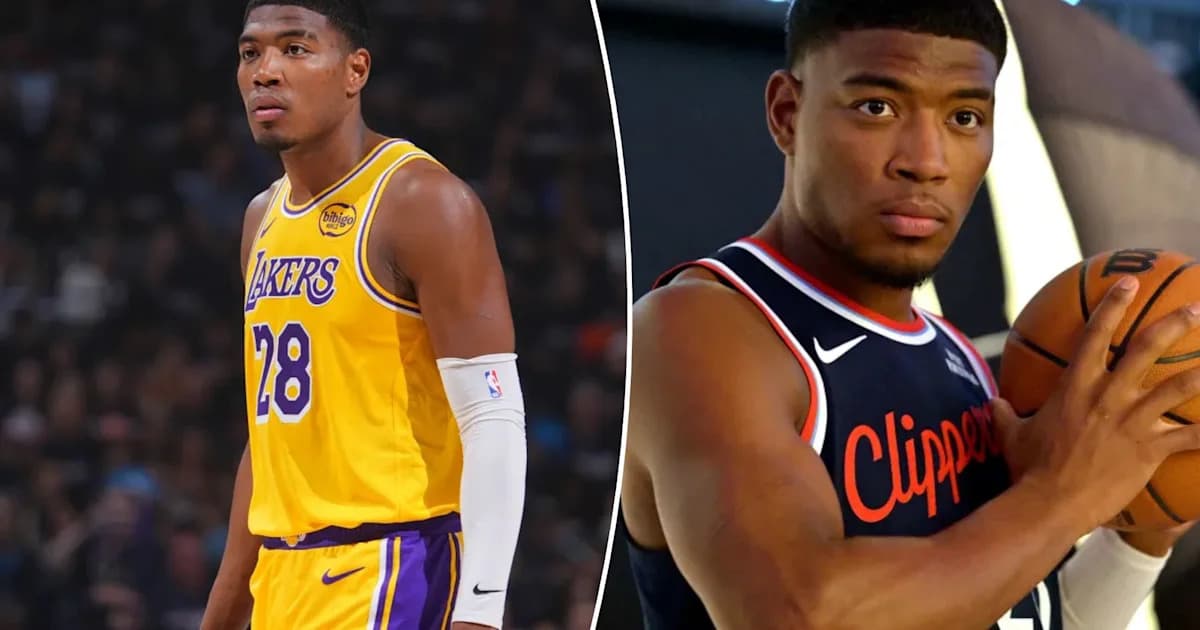
Rui Hachimura Swaps Lakers Fans to Clippers in Surprising Jersey Exchange

Who Will Be the NBA's Next First-Time All-Stars? Top Picks and Long Shots for 2027

How Strong Is Your Team at Home? Check Out the 2026 Brasileirão Home Standings