
Jermain Defoe's Abrupt Exit from Woking Management
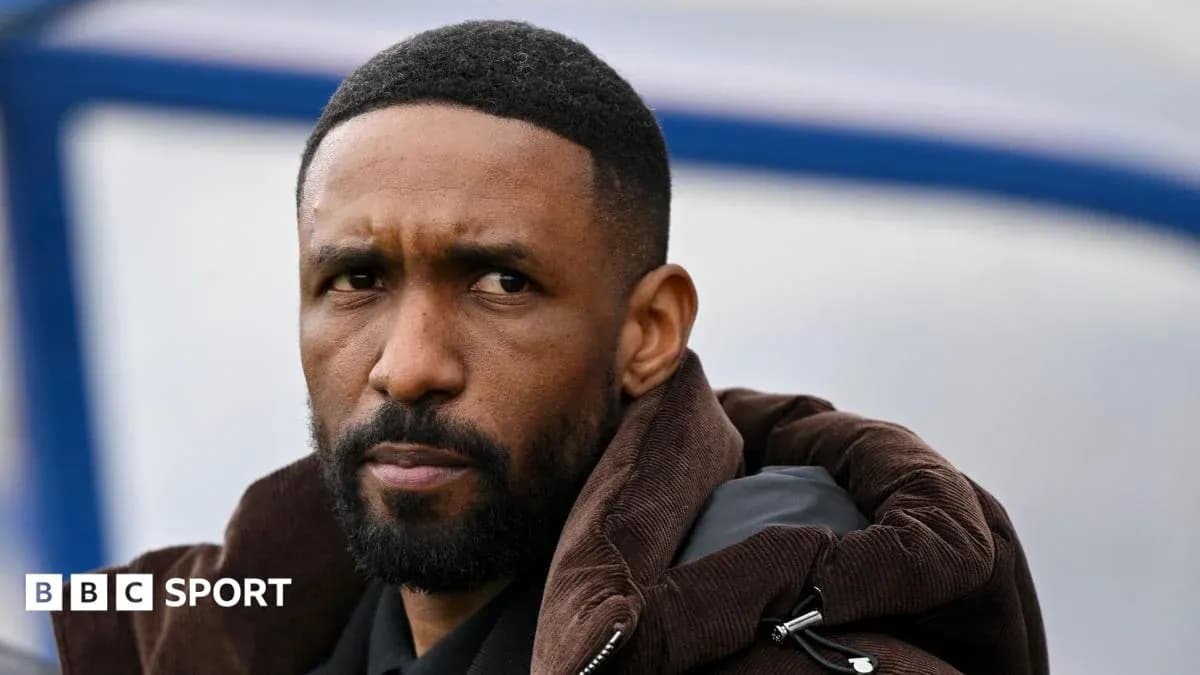
Jermain Defoe’s short, sharp dive into management at Woking has ended almost as abruptly as it began, leaving behind a tangle of unanswered questions and a club scrambling on the eve of a new season.
The former England striker, appointed only four months ago and in charge for just six league games, left the National League side this week after what the club described as a “mutual” decision to part ways with immediate effect. The timing is brutal: Woking kick off their campaign against Sutton United in just two weeks.
Behind the polite statement, though, Woking’s director of football Jody Brown has painted a more troubled picture.
Concerns build behind the scenes
On the surface, Defoe projected optimism. Brown says the 43-year-old’s public and private messages were relentlessly upbeat, his “feedback always positive” and his enthusiasm for the season clear. Which is why the sudden exit, Brown admits, has caught many off guard and fuelled speculation.
But while Defoe spoke of excitement, the mood elsewhere at the club was shifting.
“In recent weeks,” Brown explained, there had been feedback from “players, staff and other departments” flagging “growing concerns”. No dressing-room leaks, no dramatic bust-ups reported, just a steady drip of unease from across the operation that forced the club’s hierarchy to look more closely at how pre-season was actually taking shape.
The pressure finally told when Brown tried to formalise that scrutiny.
He asked Defoe and assistant Paul Bracewell for a short, practical report: where the squad stood in terms of depth, who the recruitment targets were, what operational issues might be blocking progress. It was the kind of document a director of football leans on to unlock support, budget and resources.
Brown says he requested it more than once. It never arrived.
A no-show that changed everything
So a meeting was set. Directors, the manager, the assistant manager, the head of operations — the key figures needed to take stock before the season kicked in. It was a chance to align the club’s plans, address those growing concerns, and put some structure around Defoe’s first full campaign as a number one.
Defoe and Bracewell did not attend.
They missed the meeting. They missed that day’s training session as well.
For Brown, that absence was a line in the sand. Throughout Defoe’s time in charge, he says, no “serious concerns” had been communicated directly to him. No showdown, no clear warning signs from the manager himself. Then, just as the club moved to confront the issues being raised internally, the manager and his assistant were nowhere to be seen.
What happened next has not been laid out blow by blow, but the outcome was swift: a mutual agreement, an immediate departure, and a club left to reset its plans with the season almost upon it.
Brown, who took responsibility for hiring Defoe, has not tried to distance himself from the decision that brought him in. He describes the former striker as “likeable” and insists he genuinely believed Defoe was “the right person to lead the club into an exciting new era”.
That era has lasted barely a summer.
A stellar playing career, a harsh managerial lesson
Defoe’s pedigree as a player is beyond dispute. Across a glittering career with West Ham, Tottenham, Portsmouth, Sunderland and others, he scored 305 goals in 763 senior appearances, adding 20 goals in 57 caps for England before retiring in 2022. In the penalty area, he was ruthless, instinctive, elite.
The dugout is proving a very different arena.
He dipped a toe into coaching with an interim role at Rangers in 2021, then worked in the Spurs academy, before stepping away in 2024 to chase a full-time managerial post. Woking gave him that chance. Four months later, the experiment is over.
Defoe has called his spell at the club “an eye-opening managerial experience” and one that will “undoubtedly” make him stronger for the next challenge. There is no public war of words, no counter-accusation, just a clear sense that this has been a sharp education in the realities of management outside the Premier League bubble.
Brown, for his part, offered a blunt truth that football has seen repeated time and again: “Success as a player does not always translate into management and leadership.” He followed it with a sincere hope that Defoe thrives “in whichever direction he follows”.
For Woking, the immediate direction is survival mode: a new season looming, a squad still being shaped, and a managerial vacancy to fill at speed. For Defoe, the question is different and more personal.
Where does one of English football’s great modern goalscorers go next, now that his first real shot at management has ended before a single ball of the new season has even been kicked?
Related News
UFC 332 Preview: Natalia Silva vs. Wang Cong Fight Card, Odds, Start Time, and Details
Andy Roddick Responds to Andre Agassi’s Comments on Alexander Zverev at the Laver Cup
Knicks Prepare for Flexible Roles in Title Defense

Rui Hachimura Swaps Lakers Fans to Clippers in Surprising Jersey Exchange

Who Will Be the NBA's Next First-Time All-Stars? Top Picks and Long Shots for 2027

How Strong Is Your Team at Home? Check Out the 2026 Brasileirão Home Standings