
Jude Bellingham's Fight for England's World Cup Starting Spot
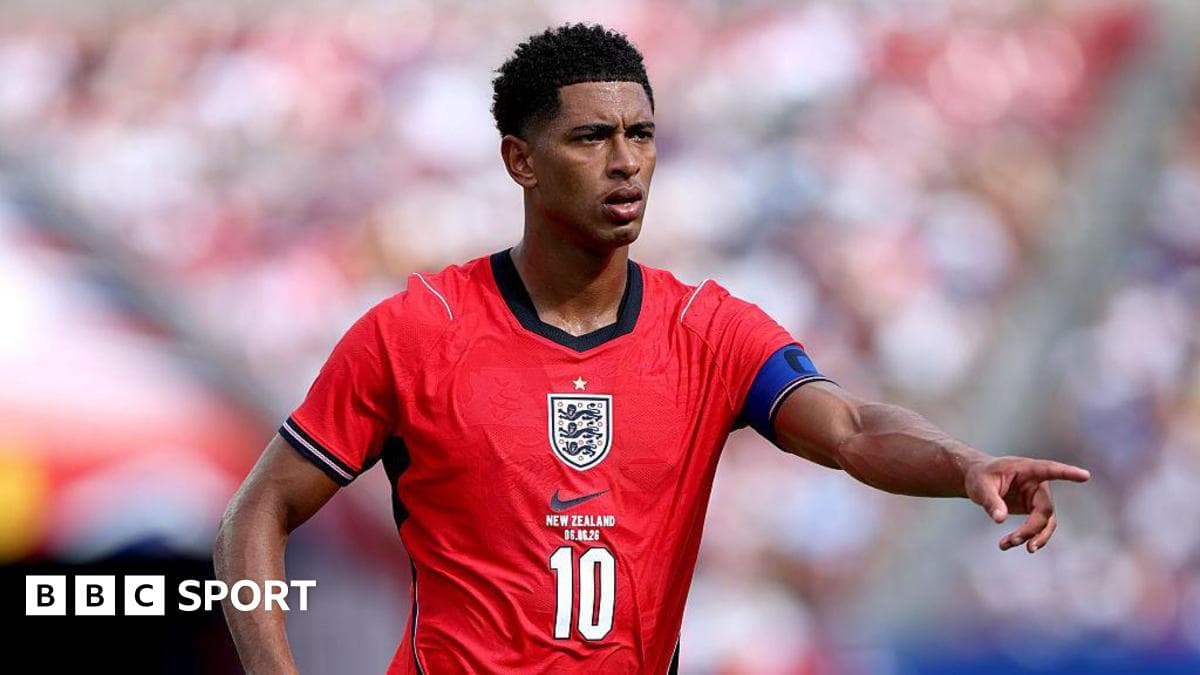
Thomas Tuchel did not dress it up. Asked whether Jude Bellingham has a fight on his hands to make England’s World Cup starting XI, the national-team manager paused, then delivered the kind of blunt verdict that tends to echo.
“Yes, he has.”
In a different era, that answer would have sounded absurd. Bellingham was the heartbeat of England’s Euro 2024 run, missing just 29 minutes across seven games, the player Gareth Southgate built his midfield around. Now, under Southgate’s successor, he is just one name in a crowded queue.
Bellingham, the star who must scrap
Tuchel insists Bellingham still belongs in the inner circle.
“He is one of the starters, he knows he is one of the starters,” the German said. “But we have 14 or 15 potential starters. These roles can always change, but at the moment I think there are 14 or 15 proper starters and Jude is one of them.”
The message is clear: status counts for less than it used to. Reputation gets you through the door; it no longer guarantees you a seat at the table.
The numbers tell their own story. Since Tuchel took over in January 2025, Bellingham has started only four matches for England, with three more appearances from the bench. For a player who dominates games weekly for Real Madrid, that is a jarring comedown.
Tuchel has instead leaned heavily on Morgan Rogers. The Aston Villa midfielder has featured in 12 of Tuchel’s 13 games in charge and was the only player involved in all eight World Cup qualifiers. While Bellingham has battled injuries and form, Rogers has become the manager’s constant.
Injuries, omissions and a strained relationship
Bellingham’s slide from automatic pick to contested starter has not come from nowhere. His season with England has been punctured by interruptions and tension.
The 22-year-old missed two qualifiers last September with a shoulder injury, then watched October’s camp from home, overlooked even with a competitive fixture against Latvia on the schedule. He returned to the squad in November, only to be ruled out of March friendlies with a persistent hamstring problem.
On top of that, his relationship with Tuchel has been under the microscope almost from the start. During last June’s defeat to Senegal, Tuchel described Bellingham’s on‑field behaviour as “repulsive” – a word that detonated around the England camp and far beyond. He later apologised, but the remark lingered.
The manager did not entirely back away from the theme in November either, saying he would “review” Bellingham’s behaviour after the midfielder’s reaction to being substituted in a qualifier against Albania. For a player used to being indulged, indulged because he so often delivers, this was a different kind of scrutiny.
A “sweet spot” at the right time?
Yet just when the narrative seemed to harden against him, Bellingham found a foothold.
In Saturday’s World Cup warm-up in Tampa, he came off the bench at half-time against New Zealand and took the captain’s armband in a 1-0 win. It was a symbolic gesture from Tuchel and, crucially, backed up by performance.
“You can see Jude has for sure the decisiveness and bite,” Tuchel said afterwards. “This is his key characteristic, but you can see that he comes from an injury and is full of energy and happy to be back on the pitch.”
The manager pointed to the timing of Bellingham’s enforced rest. The hamstring issue cost him a chunk of Real Madrid’s Champions League campaign and their push for the Spanish title.
“He had his break, unfortunately, in a decisive part of the season, the Champions League season and campaign for the championship in Spain, so this was very unfortunate for Real Madrid and for him personally,” Tuchel said.
Now, though, the England boss senses an upside. The legs look lighter, the touch sharper.
“You can see now that he is actually in a sweet spot. He comes back, he’s fresh, he wants to play and he’s in top shape.”
A different kind of challenge
For Bellingham, the World Cup will not begin with the comfort he enjoyed under Southgate. Then, he strode into tournaments as a guaranteed starter, the midfield lock. Under Tuchel, he arrives as part of a 14- or 15-strong core, trusted but not untouchable, admired but asked to prove it again.
He has the armband in his hands, the manager’s praise in his ears and, for the first time in his England career, a genuine battle to keep his place.
Related News
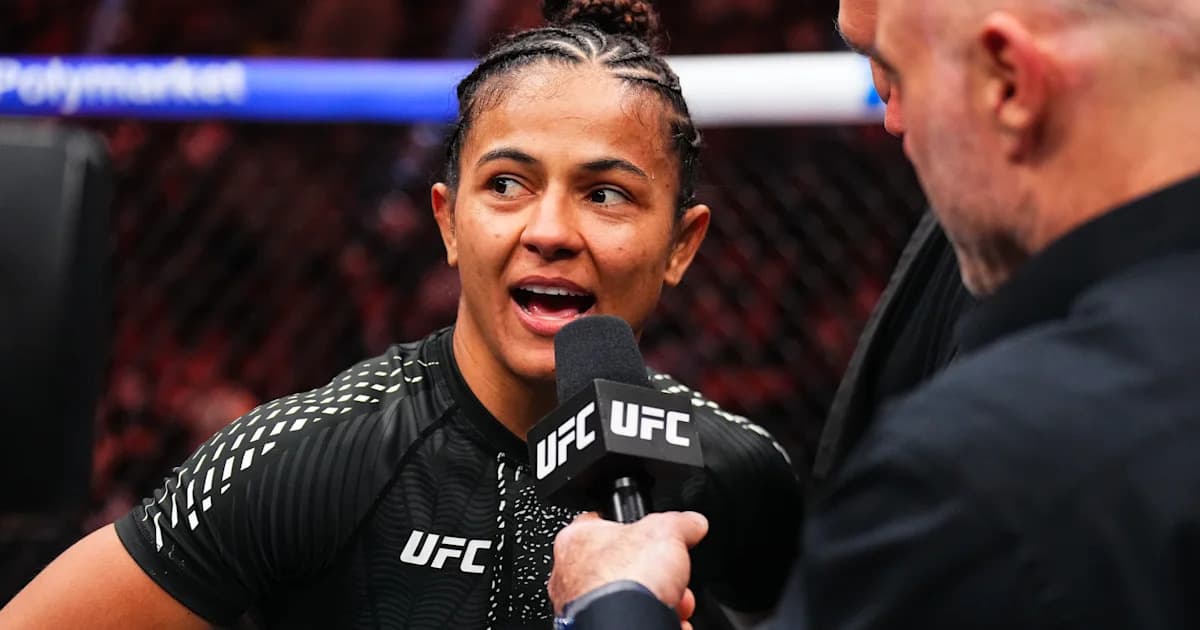
UFC 332 Preview: Natalia Silva vs. Wang Cong Fight Card, Odds, Start Time, and Details
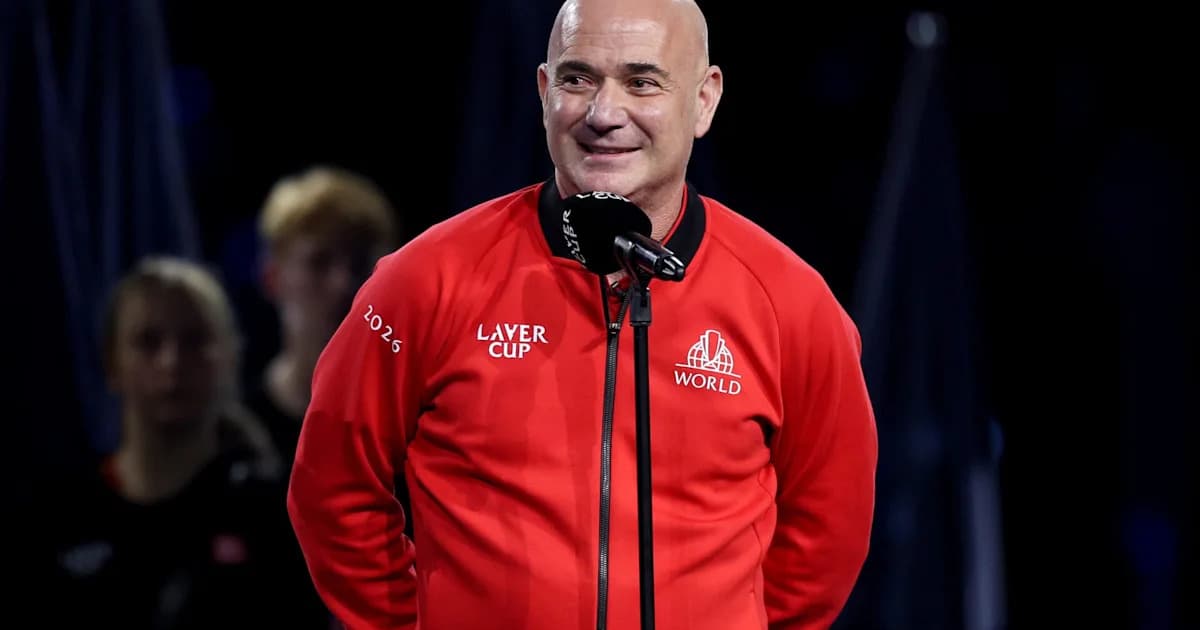
Andy Roddick Responds to Andre Agassi’s Comments on Alexander Zverev at the Laver Cup
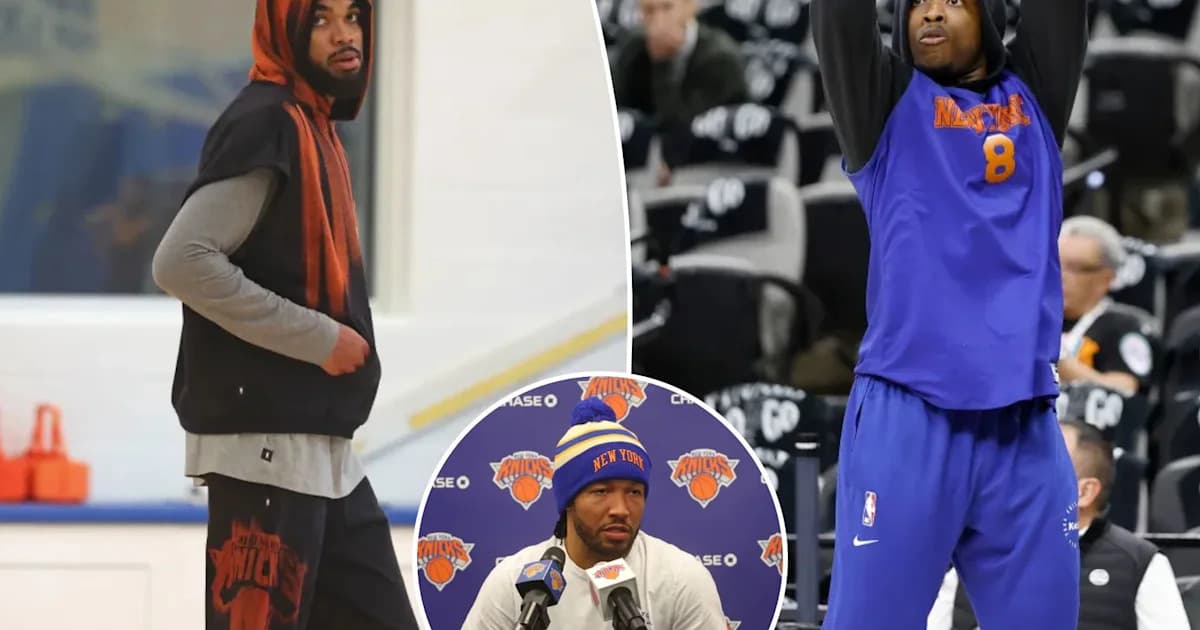
Knicks Prepare for Flexible Roles in Title Defense
Rui Hachimura Swaps Lakers Fans to Clippers in Surprising Jersey Exchange

Who Will Be the NBA's Next First-Time All-Stars? Top Picks and Long Shots for 2027

How Strong Is Your Team at Home? Check Out the 2026 Brasileirão Home Standings