
Jürgen Klopp Appointed New Bundestrainer of Germany
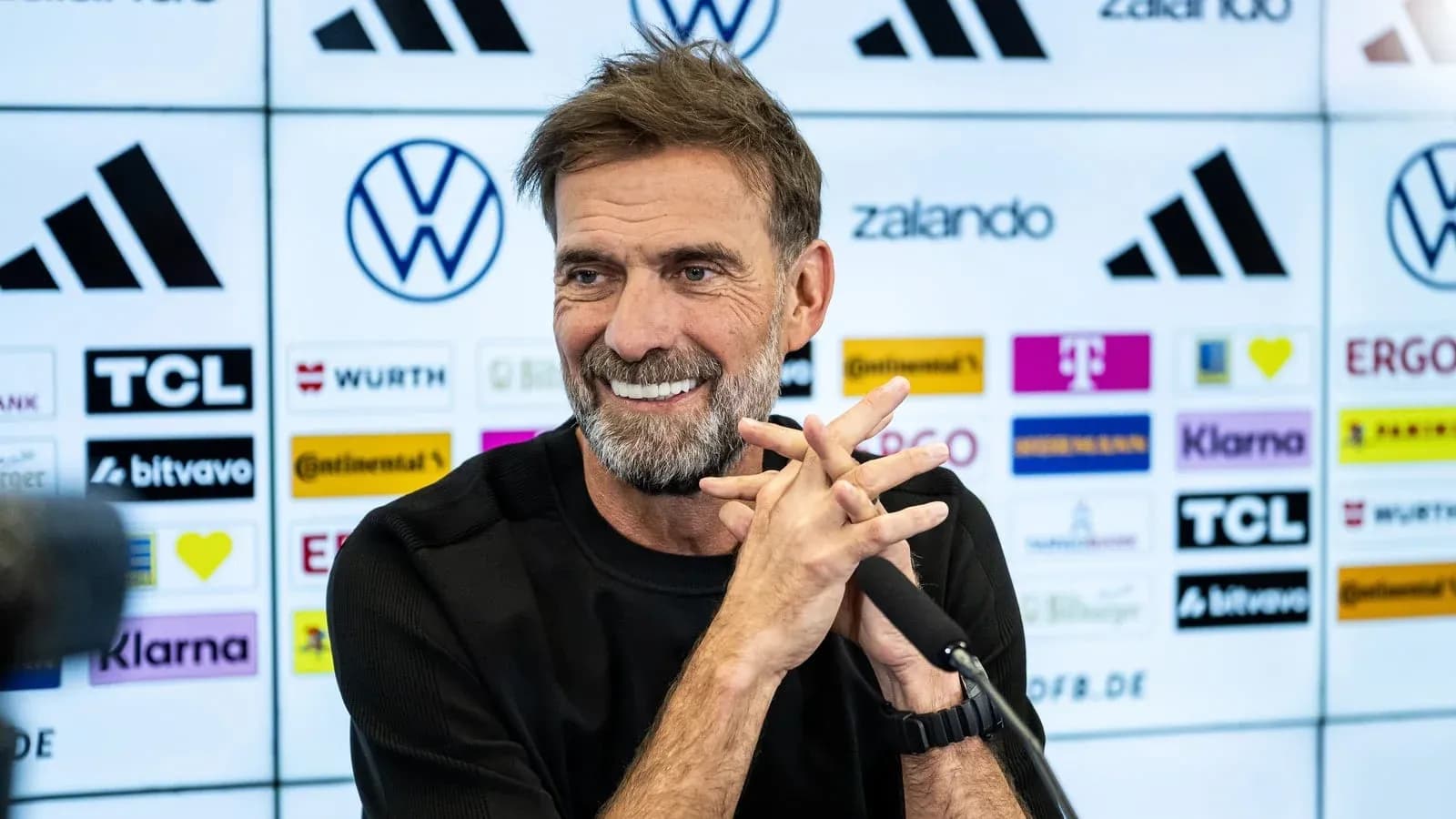
Jürgen Klopp is back where many always thought he would end up: in charge of Germany.
The German Football Association (DFB) confirmed on Monday morning that Klopp has signed a four-year contract to become the new Bundestrainer, a deal that runs through to the 2030 World Cup. The announcement came at the DFB campus in Frankfurt, drawing a line under weeks of expectation and months of quiet manoeuvring behind the scenes.
From New York studio to Germany’s dugout
Once Julian Nagelsmann resigned in the wake of a bitter World Cup disappointment – a last‑32 exit on penalties to Paraguay – the DFB did not shop around. They went straight for Klopp.
He was in New York at the time, working as a television pundit while the tournament was still unfolding. That is where the first conversations took place, the DFB flying across the Atlantic to make their pitch. On 11 July, they revealed they had reached an agreement in principle. Now it is signed, sealed, and public.
The contract is understood to tie Klopp to the national team through the next World Cup cycle, a clear statement that this is not a stopgap but a full reset of German football’s flagship project.
A familiar inner circle
Klopp will not walk into the job alone. He rarely has.
Former Liverpool assistants Pep Lijnders and Peter Krawietz are expected to join him in the Germany setup. Lijnders, who recently left Manchester City following Pep Guardiola’s departure, reunites with the coach under whom he helped build one of the most formidable club sides in Europe. Krawietz, Klopp’s long‑time analyst and trusted lieutenant from Mainz, Dortmund and Liverpool, is also set to return to his side.
Reports also point to Sven Bender – a key figure in Klopp’s title‑winning Borussia Dortmund teams – joining the backroom staff. The band, it seems, is getting back together, this time in national colours.
From “running out of energy” to leading a nation
Klopp walked away from Liverpool in 2024 after nine seismic years that reshaped the club and the Premier League landscape. His honours list at Anfield was heavy: Champions League, Premier League, FIFA Club World Cup, FA Cup and two League Cups. He left saying he was “running out of energy”, insisting he could no longer give the job everything it demanded.
He took a six‑month break before resurfacing in a different role, becoming Red Bull’s head of global soccer. From there, he was adamant he had no desire to return to the grind of club management. International football, with its different rhythm and emotional pull, has proved a different proposition.
To free him from his Red Bull contract, the DFB agreed to donate €1 million to the company’s non‑profit foundation, Wings for Life. It is an unusual detail in a high‑profile coaching appointment, and a measure of how determined the DFB were to secure their man.
Now Klopp inherits a national team scarred by early exits and searching for identity. He has four years, a trusted staff and a restless football nation behind him. The question is no longer whether he would take this job. It is what he can rebuild by 2030.
Related News
UFC 332 Preview: Natalia Silva vs. Wang Cong Fight Card, Odds, Start Time, and Details
Andy Roddick Responds to Andre Agassi’s Comments on Alexander Zverev at the Laver Cup

Knicks Prepare for Flexible Roles in Title Defense

Rui Hachimura Swaps Lakers Fans to Clippers in Surprising Jersey Exchange

Who Will Be the NBA's Next First-Time All-Stars? Top Picks and Long Shots for 2027

How Strong Is Your Team at Home? Check Out the 2026 Brasileirão Home Standings